News

From Toilets to Testimonies: Your Support is Changing Lives

PROGRESS THROUGH PARTNERSHIP:

We are proud to share the progress of the ongoing construction of new school toilet blocks at Leqele and Makoanyane Primary Schools, in Maseru as part of the 5 Hub Schools Project. This essential infrastructure was made possible through a generous donation by Action Ireland Trust and its partners. The contractors on the ground working on the project are two of rise Pioneers XYZ Collaborative and PRO Construction, driving community transformation. These safe, clean sanitation facilities are expected to significantly improve the learning environment for hundreds of students, especially young girls.

VOICES OF IMPACT: 

Pioneer Incubation Program beneficiary Seabata Motanya’s Journey 

In our latest testimonial video, rise Pioneer Seabata Motanya of XYZ Collaborative shares how the in loco and Pioneer Incubation Program has transformed his life and career. His inspiring journey reflects the true spirit of rise: building people, not just projects.

Through generous donations to rise International, Seabata received vital mentorship, training, workspace, access to the internet, and tools to grow his construction business which continues to employ other job seeking young people.

rise IN KENYA: EMPLOYABILITY PROGRAM

June marked a major milestone in our expansion across Africa with the largest cohort to date of our Employability Program in Kenya (East Africa). A vibrant group of 14 participants (12 young women and 2 young men) from Jacaranda and Watamu joined the program to gain practical skills and hands-on experience through rise’s “learning-by-doing” model.

The Employability Program equips youth with CV writing skills, time management skills, interview skills, and getting ready for the workplace. All this before they begin internships across Watamu and Jacaranda for 1 – 3 months.

DESIGNING THE FUTURE: 

UCL Students Present Affordable Housing Solutions 

Architecture students from University College London (UCL) recently delivered their second presentation of sustainable affordable housing designs tailored to the contexts of Maseru (urban) and Mokhotlong (rural).In collaboration with rise, the students explored innovative approaches that incorporate local materials, eco-friendly technologies, and community-centric designs to tackle Lesotho’s housing challenges. This designs will help in the way we approach sustainable construction going forward in our efforts of community projects.

Thank you for being part of our journey!
Whether you’re a donor, partner, pioneer, or supporter, YOU make these stories of hope, growth, and transformation possible.
 

READ MORE
Case Studies

Restoring Dignity and Opportunity at Phelisanong Children’s Centre

Implemented by:  rise International | Funded by Sentebale Project

🏡 Background: A Community Rooted in Resilience

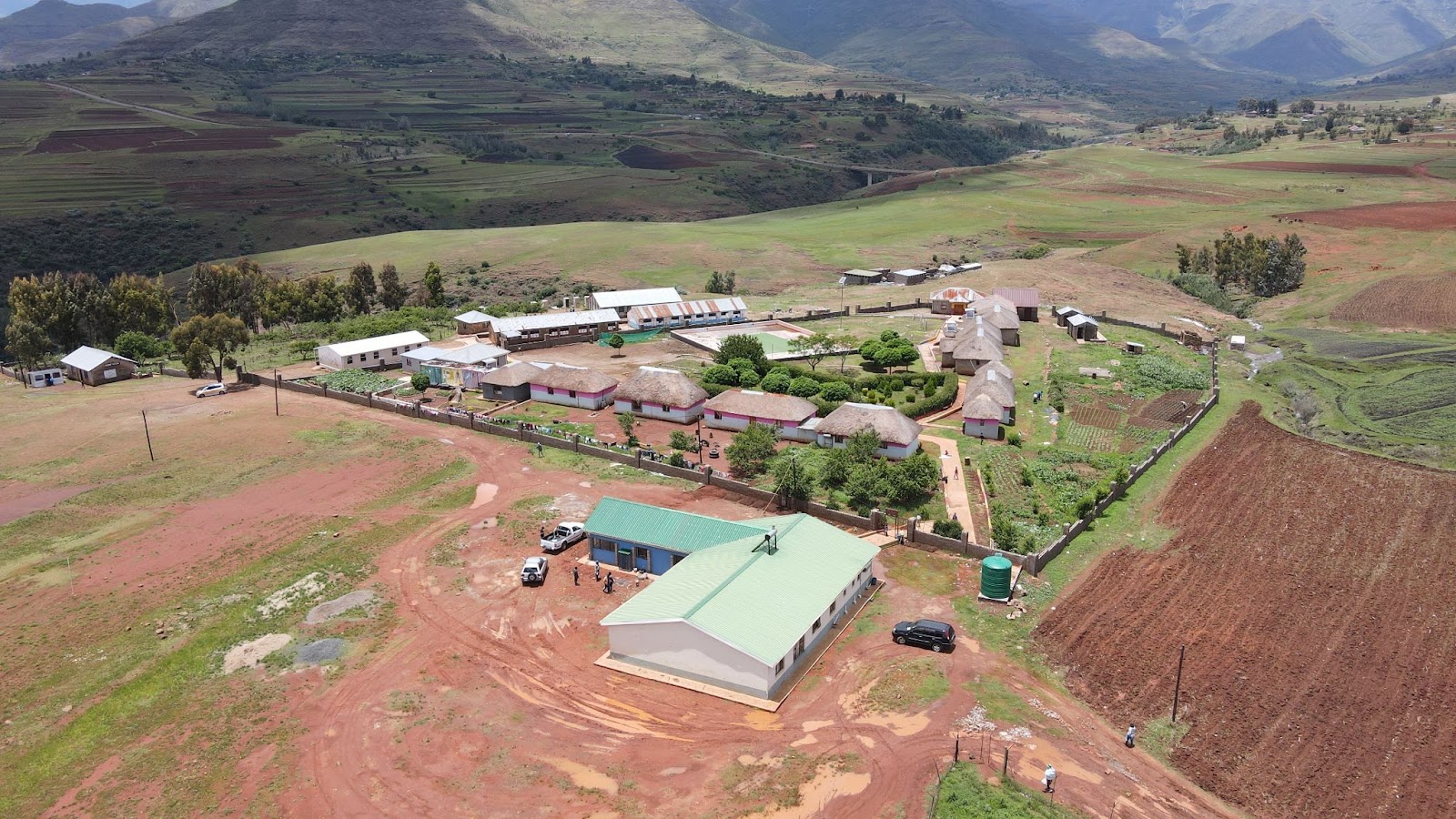
Phelisanong Children’s Centre, located in the remote mountains of Pitseng, Northern Lesotho, Southern Africa, was founded in 2001 by a group of villagers living with disabilities and HIV/AIDS. Their vision was bold: to create a safe, inclusive space for orphans, children with disabilities, and those affected by chronic illness. Today, the centre provides care and support to over 200 vulnerable children with disabilities and their families.

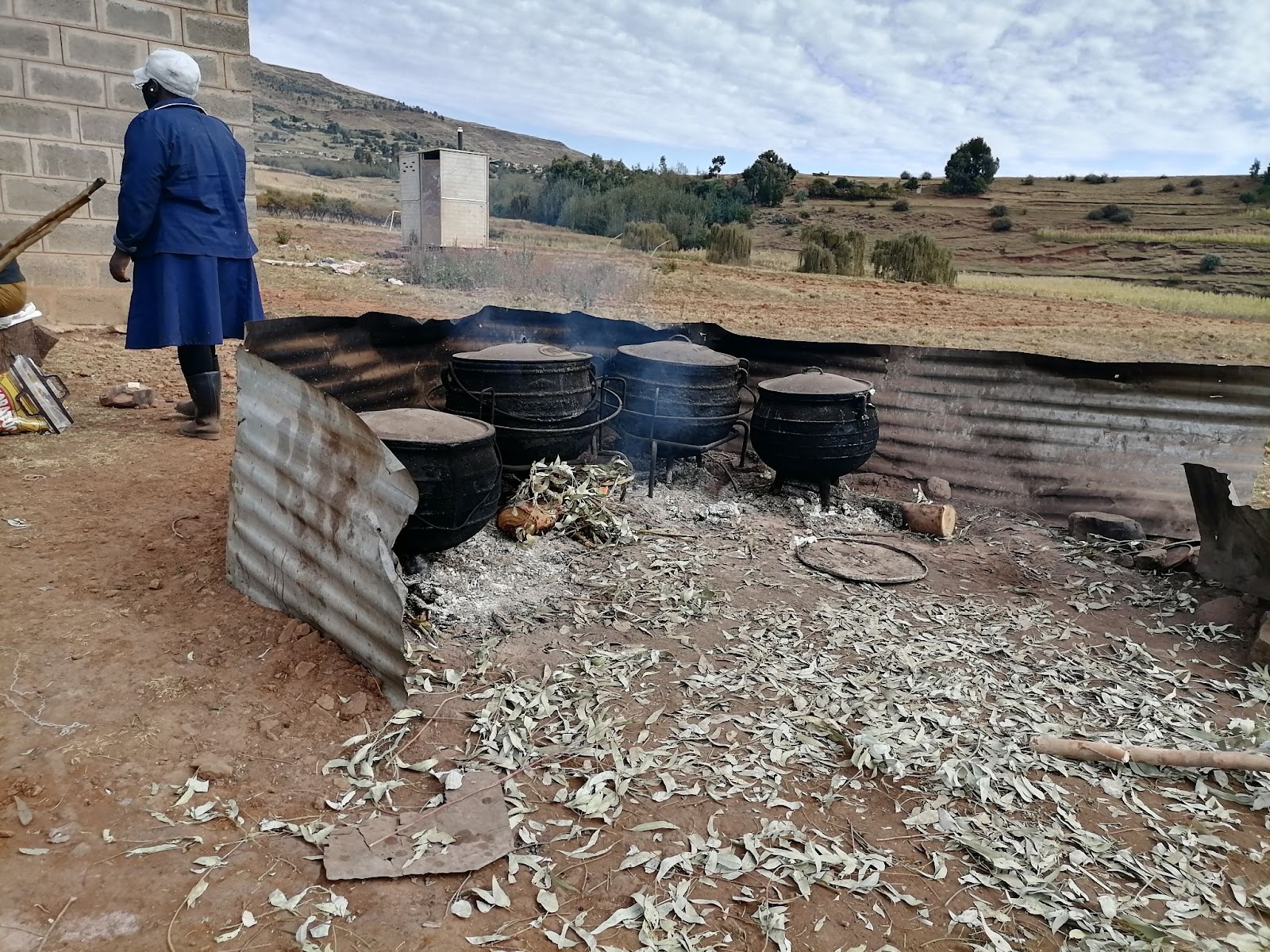
Despite its inspiring mission, the centre faced critical infrastructure challenges. Meals for hundreds of children residing at the centre and learners at the school on site, were prepared outdoors, every day, rain, snow, or shine! Caregivers woke at 4 a.m. to collect firewood and cook under harsh conditions, placing immense strain on already overburdened staff. Moreover, the centre’s main water supply was cut off, forcing children to bathe in basins and rendering bathroom facilities unusable.

The situation compromised not only operational efficiency but also the hygiene, dignity, and well-being of the children.

Cooking station: Before

🛠️ The Solution: Dignity Through Design

In 2019, an NGO called Sentebale commissioned rise International, to undertake a comprehensive infrastructure upgrade tailored to Phelisanong’s needs. 

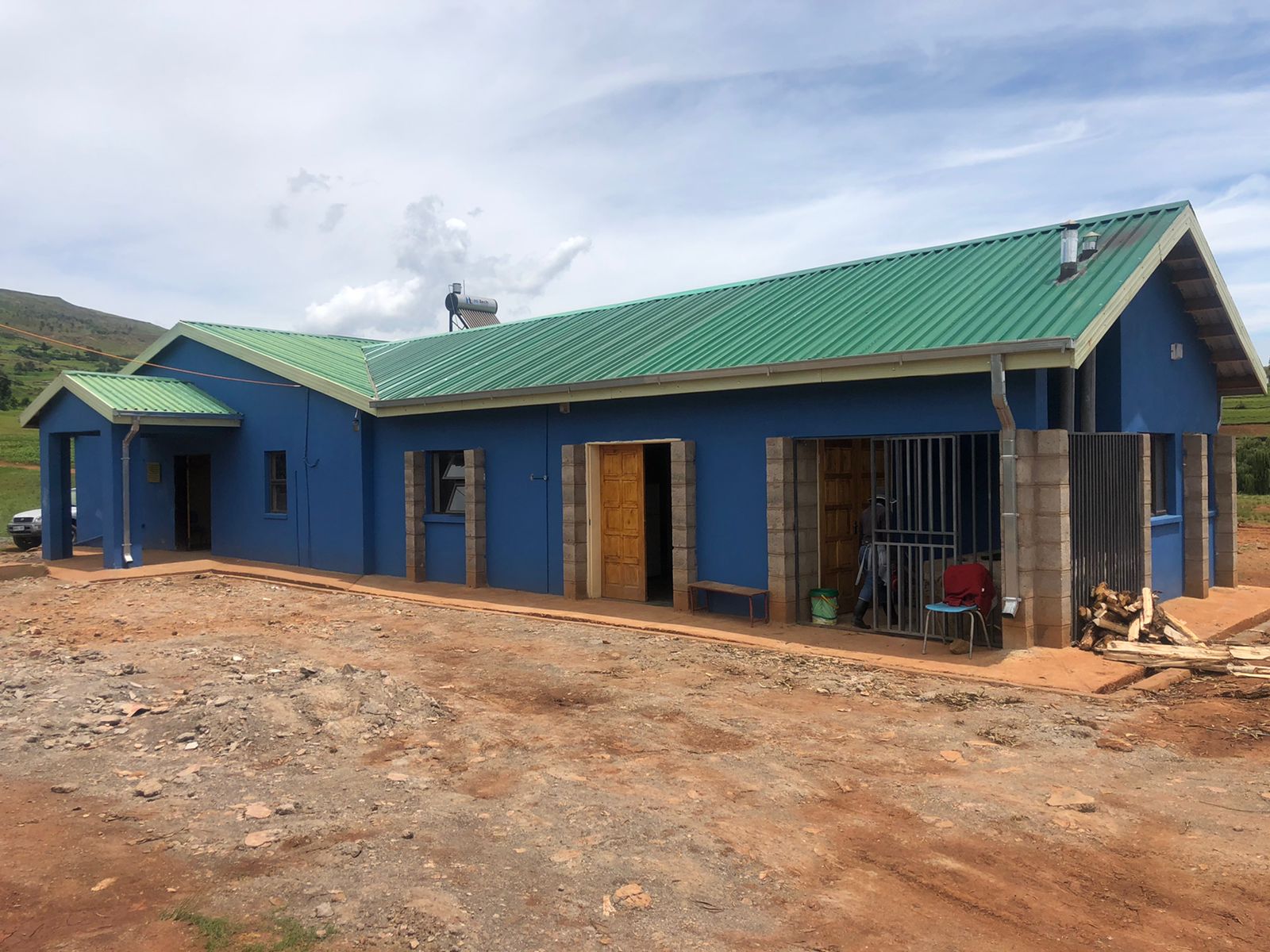
 Newly upgraded kitchen featuring modern finishes and enhanced functionality

Reliable water supply: The foundation of community well-being

New upgraded bathroom

🧳 Methodology: Community at the Centre

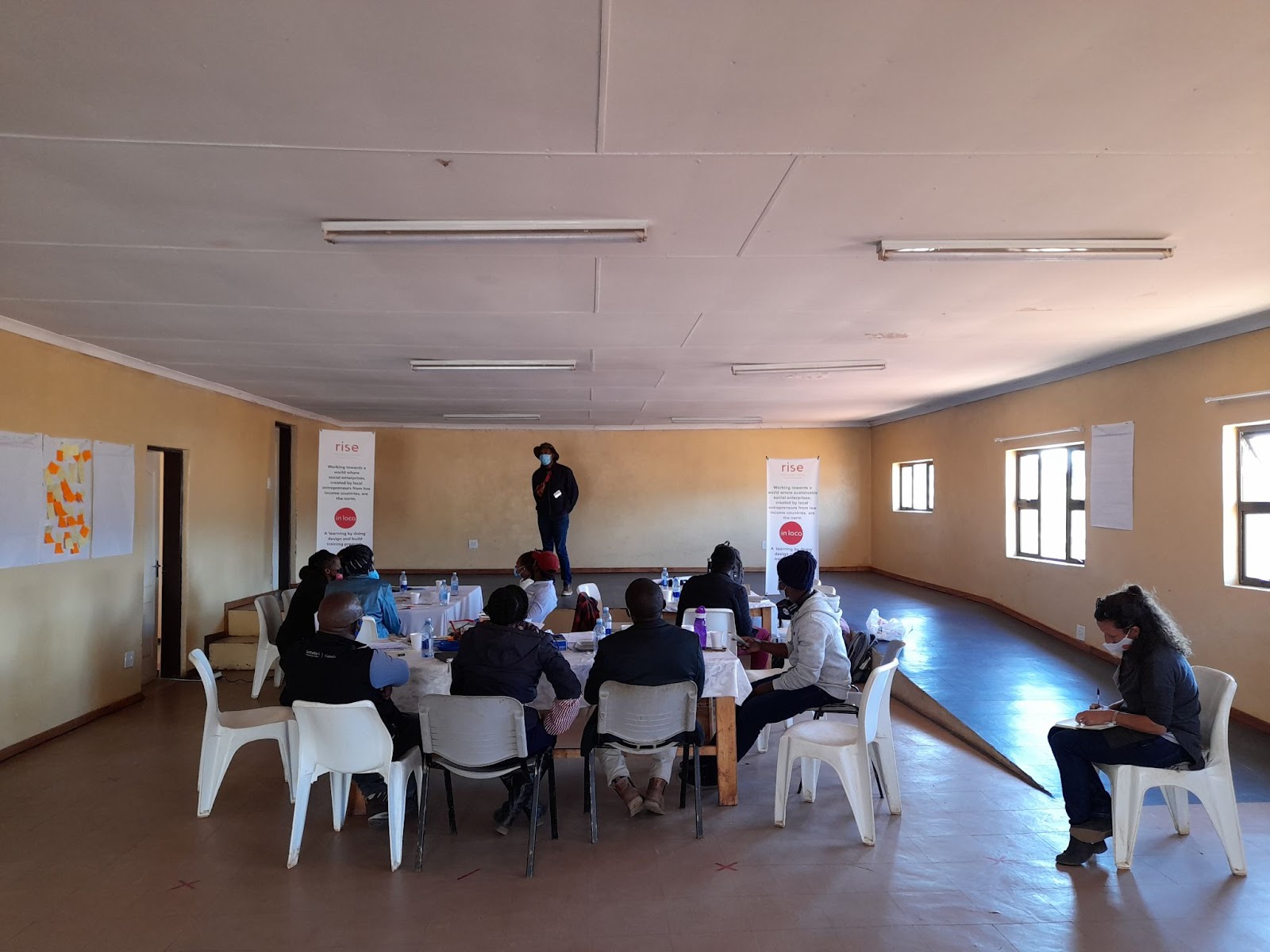
From the beginning, the project followed a participatory approach. rise conducted a detailed baseline assessment in consultation with community members and caregivers. Local voices informed every step—from design to construction to operations — ensuring the intervention was relevant, community-owned, and resilient.

Following the Participatory Design process, the scope of the project was decided upon and it entailed:

  • Designing and constructing a fully equipped, weatherproof kitchen, including a bakery to sell bread to the local community, which would generate income for the centre.
  • Installing a new water supply system so the centre had running water once again in all its bathrooms, kitchen, and school.
  • Renovating old plumbing, pipes, and fixtures in the bathrooms and restoring bathroom functionality.
  • Introducing a community-driven social enterprise through a conference hall and bakery catering service.

These solutions addressed both immediate and systemic needs, creating long-term value through increased safety, improved health outcomes, and sustainable income generation.

Participatory design process by community members

🌟 Impact Highlights

✅ Job Creation and Local Empowerment

  • Over 26 jobs were created, 10 being permanent and 16 temporary jobs, increasing staff capacity in childcare and catering functions.
  • Staff reported improved ability to support their families and contribute to local economic activity.

“I used to cook for 200 children outside. Now, even in the rain, I can prepare meals in a safe kitchen.
— Mamello Mokholokoe, Director

🍽️ Social Enterprise and Financial Sustainability

  • The Conference Hall Catering Business has hosted 18+ events over 3 years.
  • Generated M15,000+/$800 in revenue, which has been reinvested into the child nutrition program.
  • Supports daily meals for over 200 children.

“The money we raise from catering pays for food for the children. It’s not just a business; it’s a lifeline.”
Mathekiso Tsoke, Kitchen Manager

🪑 Improved Health, Hygiene, and Dignity

  • Bathrooms are now fully functional, restoring privacy and sanitation.
  • Children with disabilities can use facilities independently, improving self-esteem and reducing reliance on caregivers.

“Children now use the bathrooms without needing help. It gives them dignity.”
Mats’oanelo Monaheng

📈 Infrastructure Resilience

  • The kitchen was rated 100% structurally sound.
  • Minor issues with ceiling repairs and water tank blockages were addressed through local maintenance.
  • Infrastructure remains in good condition and fit for purpose.

🌐 Before vs. After Snapshot

Before InterventionAfter  Intervention
Meals prepared outside in harsh and unhygienic conditionsSafe, indoor hygienic kitchen used daily
3 staff membersOver 26 jobs created
No income generationM15,000+ raised via catering
Inaccessible sanitationInclusive bathrooms have been fully restored

                                    🧡 A Human Story: Meet Mpho

Mpho, aged 11, has a mobility impairment. Before the project, she had to wait for help every time she needed to use the bathroom. Today, thanks to the accessible facilities, she moves independently. Her joy and confidence reflect the dignity and freedom now restored to many at Phelisanong.

🚀 What’s Next?

  • Expand the catering enterprise to increase income and train more local staff.
  • Strengthen preventive maintenance for kitchen and water systems.
  • Replicate the model in other vulnerable communities across Lesotho
READ MORE
News

Building the Future Sustainably: rise International at the Kick4Life Forum 2025

rise International was honored to participate in the Kick4Life Sustainability Forum 2025, held earlier this month in Maseru, Lesotho. The forum brought together a diverse group of stakeholders, including civil society organizations, local educators, private sector representatives, and change-makers, to discuss the future of climate resilience and innovation.

The primary focus of the forum was to promote and advocate for eco-friendly practices, particularly in the areas of waste management, environmental conservation, and the preservation of natural resources in response to climate change.

Representing rise International, Construction and Project Manager Thato Nkikana delivered a compelling presentation on the Stadium of Life, a flagship project built using Forest Stewardship Council (FSC)-certified sustainable timber. She outlined the construction process and highlighted the project’s positive impact on the surrounding community, especially through job creation and local development.

Nkikana emphasized the role of recent university graduates engaged through rise International’s in loco fellowship program, which equips young professionals in the built environment with hands-on experience. She also stressed the importance of collaborative design, noting that rise International worked closely with the Kick4Life football team during participatory design workshops to ensure the stadium’s layout reflected the team’s input and vision.

“During the participatory design workshop, we worked closely with the Kick4Life soccer team to share ideas about the pitch layout. This ensured we, as rise International, didn’t impose our ideas, but rather reached a design aligned with our client’s needs,” she explained.

Speaking on behalf of their former cohort, Liteboho Korea and Lintle Mofolo—members of the fifth in loco fellowship cohort—shared their experiences during the construction phase, which spanned from March 2023 to April 2024. Their group of nine fellows worked on key elements of the stadium, including posting rails, a six-meter seating stand prototype, and a retaining wall for a 5-a-side pitch.

The duo discussed both challenges and successes, citing harsh weather conditions, the importance of teamwork, and the development of problem-solving and time management skills as significant learning experiences.

Korea, who served primarily as a Quantity Surveyor, also took on the role of Site Manager, thanks to rise International’s culture of cross-role learning.

“As team lead, I took on various responsibilities relevant to my field of study, including ensuring compliance with FSC timber regulations and overseeing community members who were employed during the construction,” Korea noted. “I am thankful for the in loco program, which allowed me to build lasting professional relationships.”

Mofolo, who acted as both Site Architect and Site Manager, reflected on the challenges of working with timber—a less common construction material in Lesotho.

“Initially, I was skeptical about the sustainability of using large quantities of timber,” she admitted. “But after learning about FSC and the planned construction methods, I understood how the project would protect and responsibly use timber resources.”

Mofolo concluded by sharing her personal growth through the experience, especially in teamwork, networking, and building confidence.

“I am truly grateful to rise International and Kick4Life for involving us in such a significant project,” she said.

The forum concluded with a guided tour of the stadium, led by Site Manager Keketso Sula. Attendees had the opportunity to experience the stadium first-hand, examine the timber structures, and explore how different sections of the facility are designed to accommodate people with disabilities.

A Q&A session followed the tour, providing a platform to address attendees’ questions and concerns and deepen understanding of the sustainable choices made in constructing the Stadium of Life

READ MORE
News

Empowering Exciting Developments in Our Community – Partnerships, Sustainability & School Projects!

Empowering Local Artisans: ICEB Training & Business Workshop

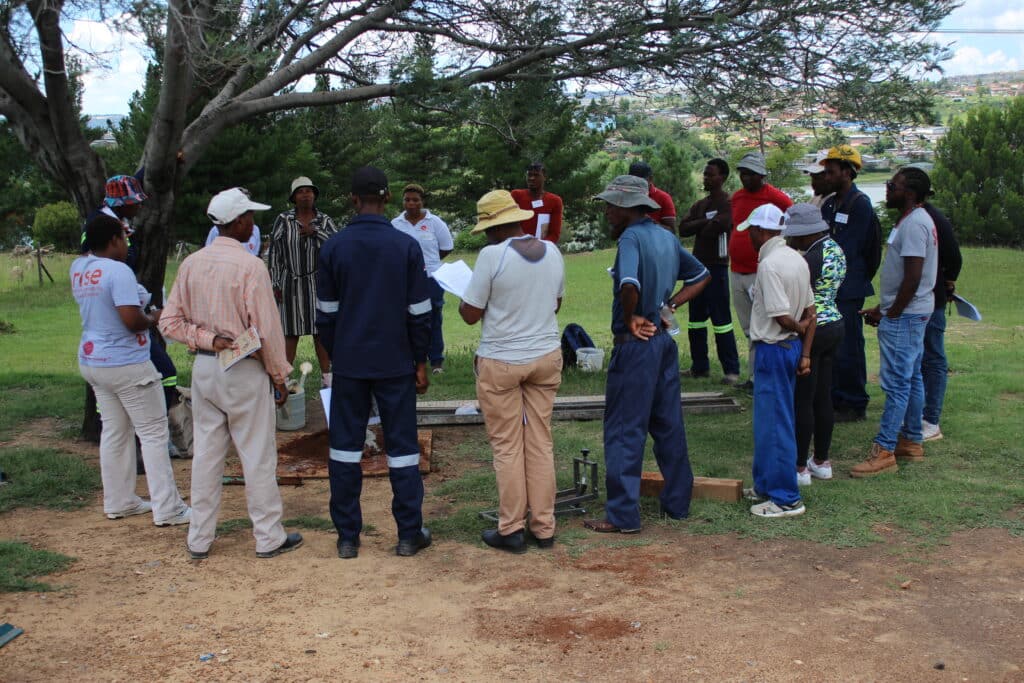
During the month of March, rise International hosted an informative workshop at Durahm Link in Maseru, aimed at educating local stone artisans about Interlocking Compressed Earth Blocks (ICEBs) and providing essential business training. This initiative is part of the “Build Smart, Build Local” campaign, which promotes sustainable and innovative construction methodologies within the industry.

The session was led by Business Trainer ‘Maneo Seekane, who facilitated an open dialogue, encouraging artisans to share their experiences, challenges, and successes. Through interactive discussions, participants explored the balance between input and output in their businesses, gaining practical insights to enhance their craftsmanship and entrepreneurial skills.

This workshop underscores our commitment to equipping local artisans with knowledge and tools that foster sustainable construction and economic growth.

Celebrating the Kick4Life & Wrexham AFC Partnership

In late February, rise International had the privilege of celebrating with our partner, Kick4Life, as they launched their club twinning partnership with Wrexham AFC from Wales, UK!

This collaboration goes beyond football—it’s about empowering young people through sport, skills development, and life-changing opportunities. With the newly constructed Stadium of Life, Africa’s first-ever FSC-timber football stadium, this partnership will open even greater pathways for youth to develop their talent and build a brighter future.

Biodiversity Stand: A Step Towards a Greener Future

The Biodiversity Stand at the ‘Stadium of Life’ is making great strides and is due to be completed by the end of March. This innovative feature will not only provide additional seating in a beautiful garden setting of indigenous plants, trees and shrubs, but will also serve as an educational and cultural space with an amphitheater for performances and events, all helping to promote environmental awareness.

Using sustainable building methods and materials, the Biodiversity Stand showcases our commitment to green construction and community engagement. We are excited about the impact this will have on promoting biodiversity and sustainability within our community.

New Sanitation Facilities for Makoanyane & Leqele Primary Schools

As part of our ongoing commitment to improving school infrastructure, we are preparing to begin construction on new toilet blocks for Makoanyane and Leqele Primary Schools, thanks to the generous support of Action Ireland Trust and their partners. These facilities will ensure a healthier and safer learning environment for students, contributing to better hygiene standards and overall well-being. 

The construction will be spearheaded by rise International pioneers, Peter of Pro Construction and Seabata of XYZ Collaborative, showcasing local expertise and commitment to sustainable development. This project is part of the larger initiative to enhance sanitation in schools and is made possible through collaborative efforts with key stakeholders, including Lesotho’s military, Lesotho Defence Force whose officers will be volunteering their time at the Makoanyane Primary School.

New Sanitation Facilities for Makoanyane & Leqele Primary Schools As part of our ongoing commitment to improving school infrastructure, we are preparing to begin construction on new toilet blocks for Makoanyane and Leqele Primary Schools, thanks to the generous support of Action Ireland Trust and their partners. These facilities will ensure a healthier and safer learning environment for students, contributing to better hygiene standards and overall well-being. The construction will be spearheaded by rise International pioneers, Peter of Pro Construction and Seabata of XYZ Collaborative, showcasing local expertise and commitment to sustainable development. This project is part of the larger initiative to enhance sanitation in schools and is made possible through collaborative efforts with key stakeholders, including Lesotho’s military, Lesotho Defence Force whose officers will be volunteering their time at the Makoanyane School.
READ MORE
News

Stories of Impact in Africa with AIT

rise International was privileged to host 90 dedicated volunteers from Action Ireland Trust (AIT), including high school students, parents, architects, and AIT management. This dynamic collaboration exemplifies the power of international cooperation in achieving meaningful change.

The AIT volunteers brought incredible energy and enthusiasm to the 5Hub Schools project, enriching the community with vibrant cultural exchange.

Transforming Education Infrastructure: The Makoanyane Primary School Project

Together with AIT, we’re revolutionizing early childhood education at Makoanyane Primary School in Maseru. Two shipping containers, generously donated from Ireland, are being transformed into a state-of-the-art creche facility. This nurturing space will provide a safe, stimulating environment for early childhood development and skills-building, addressing a critical need in the community.

Project Highlights:

Impact: This project will provide a strong foundation for young learners, fostering their growth and development.

Innovative Design: The creches interior and exterior are being meticulously crafted to create a child-friendly, vibrant, and educational space.

Local Ownership: We are proud of rise International’s pioneers and staff, who took over ensuring the project’s successful completion and long-term sustainability.

AIT’s Generous Donation: Strengthening Healthcare in Lesotho

rise International facilitated the donation of essential medical equipment by AIT to two local organizations: Starlight Oasis of Hope Hospice and Intellectual Disability and Autism Lesotho (IDAL). This generous contribution included wheelchairs, hospital beds, crutches, and zimmer frames, significantly enhancing the capacity of these organizations to provide vital care to vulnerable populations.

Collaborations and Partnership

Cultivating Lesotho’s Future Leaders

rise International is committed to empowering the next generation of changemakers. Our recent Collaborative Online International Learning (COIL) program (26 February – 1 April 2025) connected students from:

This cross-cultural initiative addressed the critical theme of “Analyzing Building Materials in Lesotho for Affordable Housing.” Students explored sustainable housing solutions, with a focus on:

Environmental Sustainability: NTU students evaluated the ecological footprint of local materials, promoting environmental responsibility.

Economic Analysis: NUL students conducted cost analyses of various building materials, emphasizing affordability for low-income households.

Social Impact: LP students assessed the social impact of different construction materials, considering community acceptance, safety, and cultural relevance.

READ MORE
Lecture Series

Earth Blocks For Impact: rise Webinar Series

As part of our efforts to promote sustainable construction and share the knowledge we’ve gained through recent projects, we had organized a webinar titled “Earth Blocks for Impact: From Innovation to Implementation in Sustainable Construction.” It featured a panel of key players in the implementation of this game changing method.

READ MORE
News

Cross-Continental Collaboration for Sustainable Housing

rise International Leads Student Research Project with NTU, NUL & LP

As part of its ongoing commitment to promoting sustainable construction, inclusive education, and international cooperation, rise International recently coordinated a Collaborative Online International Learning (COIL) project that brought together students from Nottingham Trent University (UK), National University of Lesotho (NUL), and Lerotholi Polytechnic (LP).

The project, which ran from 25 February to 1 April 2025, focused on the Analysis of Building Materials in Lesotho for Affordable Housing—a topic of critical importance in addressing Lesotho’s growing need for low-cost, sustainable housing solutions.

A Unique Model of Global Collaboration

COIL is a globally recognized teaching and learning methodology that connects students and educators across borders. In this project, rise facilitated the formation of six interdisciplinary and cross-cultural student groups, each tasked with conducting a comparative assessment of building materials used in Lesotho.

Each institution brought unique expertise to the collaboration:

  • Economics students from the National University of Lesotho (NUL) conducted cost analyses of different building materials and methods, assessing affordability for low-income households.
  • Architecture students from Lerotholi Polytechnic (LP) evaluated the social impacts of construction materials, considering aspects such as community acceptance, safety, and cultural relevance.
  • Environmental students from Nottingham Trent University (NTU) examined the ecological footprint of local materials, evaluating their sustainability and long-term environmental impact.

This multidisciplinary approach allowed for a holistic understanding of the materials commonly used in the Lesotho construction sector—from conventional cement and brick to alternative materials such as Interlocking Compressed Earth Blocks (ICEBs) and sandbag technology.

Empowering the Next Generation of Changemakers

The project offered students an opportunity not only to expand their technical knowledge, but also to develop vital soft skills including cross-cultural communication, teamwork, and problem-solving.

“Working with peers from different disciplines and countries opened our eyes to new perspectives,” shared one of the participating students. “It helped us think more critically and creatively about housing challenges in Lesotho.”

Through weekly online meetings, digital collaboration tools, and final presentations, students were able to share their findings with peers and lecturers across the three institutions. The presentations revealed diverse insights, ranging from the economic viability of alternative materials to the environmental trade-offs of traditional construction methods.

Aligning with Rise’s Mission

At rise International, we believe that affordable housing and sustainable construction are key to uplifting communities and driving economic growth. This project reflects our core values by:

  • Promoting knowledge exchange between local and international institutions.
  • Encouraging innovation in the built environment.
  • Empowering students to become active contributors to social and environmental change.

We are proud to have facilitated this meaningful collaboration and look forward to building on these relationships to continue advancing sustainable development in Lesotho and beyond.

What’s Next?

The outcomes of the project will inform ongoing discussions on sustainable housing in Lesotho, and rise is currently exploring opportunities to scale the collaboration further—potentially turning some of the research into pilot projects, policy briefs, or technical workshops for stakeholders in the housing and construction sectors.

READ MORE
News

Building Sustainably: rise Empowers Local Masons with ICEB Training

As part of the ongoing “Build Smart, Build Local” initiative, rise International recently hosted a capacity-building workshop at Durahm Link, Maseru, aimed at equipping local masons with sustainable construction methodologies. The workshop provided hands-on training in various brick production techniques, including conventional concrete, fire burning, and extracted rock approaches. However, the primary focus was on Interlocking Compressed Earth Blocks (ICEB), an eco-friendly, cost-effective, and durable construction innovation gaining traction in the industry.

Enhancing Business Acumen in Construction

Opening the workshop, Business Trainer ‘Maneo Seekane engaged attendees in an interactive discussion on the fundamental principles of running a construction business. She emphasized key areas such as cost and price determination, necessary equipment, and production capabilities that businesses can benchmark. This session encouraged knowledge-sharing, with masons exchanging insights on their current practices, challenges, and innovative solutions.

Proprietor Kefuoe Lefera described the workshop as invaluable, stating, “These sessions are essential for sharing experiences among local entrepreneurs, building confidence in business, and fostering networking opportunities.” She highlighted ICEB’s affordability, noting that “one does not need significant capital to start production.”

Technical Insights into ICEB Production

Rise’s Construction and Projects Manager, Thato Nkikana, led the theoretical component of the workshop, detailing the composition and production of ICEBs. She stressed the importance of selecting the right materials—particularly ensuring a proper ratio of rough sand, subsoil, and mineral content. “We need at least 50% sand and 30% to 40% clay to achieve the ideal composition,” Nkikana explained, adding that sand testing can be conducted using simple household tools.

For ‘Masefabatho Sula, a representative from the Ministry of Gender Equality, Youth, and Social Development, this was her second time attending a rise ICEB workshop. She noted its instrumental role in introducing different brick-making methods. “This machinery is evidently more user-friendly and cost-effective. These workshops are crucial for knowledge-sharing and business growth,” she remarked.

Hands-On Demonstration and Practical Training

The workshop transitioned into a live demonstration led by rise International’s Construction Supervisor, Ramarou Tsoho, and Construction Coordinator, Tumelo Sethunsa. Both experts guided participants through the mixing process and operational techniques of ICEB machinery. Tsoho demonstrated how to produce full and half blocks, emphasizing the importance of adhering to a guidebook for beginners while allowing for micro-adjustments as experience grows. “Following the correct process ensures consistency and quality in production,” he advised.

Attendees were given the opportunity to operate the machinery, providing them with firsthand experience. Local businessman Makhetha Khoabane acknowledged the significance of ICEB technology in expanding his brick-making business. Similarly, Phoofolo Khoabane expressed enthusiasm about acquiring ICEB machinery, citing its lower production costs compared to conventional methods. “Owning this equipment would allow me to scale my enterprise efficiently,” he stated.

Rise International’s Commitment to Sustainable Development

Rise International continues to champion sustainable development through its various projects aligned with the Sustainable Development Goals (SDGs). Notable initiatives include the Stadium of Life and the 5 Hub Schools project, both of which incorporate eco-friendly materials such as timber, sandbags, and ICEBs. One of the organization’s significant achievements is the construction of the Motimposo Primary School Kitchen Pavilion using ICEBs—a fully operational facility that has greatly improved meal preparation for students.

Through initiatives like the ICEB workshop, rise International remains dedicated to fostering entrepreneurship, promoting innovative building technologies, and empowering local communities in Lesotho. As the adoption of sustainable construction practices grows, such training programs are essential in driving economic and social development across the region.

READ MORE