

Social Entrepreneurs Are Changing Africa for the Better
Social entrepreneurs are making a difference in the lives of Africa’s most needy individuals and disadvantaged communities.
Throughout the African continent, social entrepreneurs are helping to enact change in the communities they serve by finding innovative solutions to many challenges which exist in the developing world. By building practical and sustainable organizations, social enterprise can bring together community stakeholders, groundbreaking technologies and new approaches to solving debilitating social problems.
In Africa, social entrepreneurs are helping to drive innovation and transformation in education, public health, environmental sustainability and business development. Many of these social enterprises are established as not-for-profit organizations or for-profit social enterprises.
African Social Entrepreneurs
Here is a small sampling of social entrepreneurs who are changing Africa for the better.
God’s Love Centre

Website: http://www.godslovecenter.co.za/
Neo Motantsi started God’s love Centre when her brother and his wife passed away leaving four children orphaned. Based in Lesotho, the south African orphanage currently provides a home to 57 children without families to care for them. The children range in age from one year to 20, and all attend either the local primary or secondary schools in the area.
God’s Love Centre is a 2017-2018 Program Partner with rise. Read more about the initiative and how we’re supporting God’s Love Centre in our programs section.
Future Vision Acrobat

Website: Official Facebook Page
Future Vision Acrobat is a team of professional circus artists based in Gisenyi, Rwanda who train children aged 8 – 28 from vulnerable backgrounds to then perform nationally and internationally as a Circus group.
In 2005, Elisée Niyonsenga was an orphan living on the streets of Gisenyi, Rwanda. As he passed by a restaurant he saw a “Cirque du Soleil” performance on the TV and became fascinated with learning acrobatics. He learned to use artistic expression as a tool for positive change and a better future. He began training himself with the help of his friend and one year later decided to form an organization at the young age of 17.
The scope of Future Vision Acrobat is to help other children who just as Elisée live in difficult conditions, many of whom are orphans, refugees or street children, by giving them space to grow and a future to look forward to. Hence, the name: Future Vision Acrobat.
Youth for Technology Foundation
Website: http://www.youthfortechnology.org/
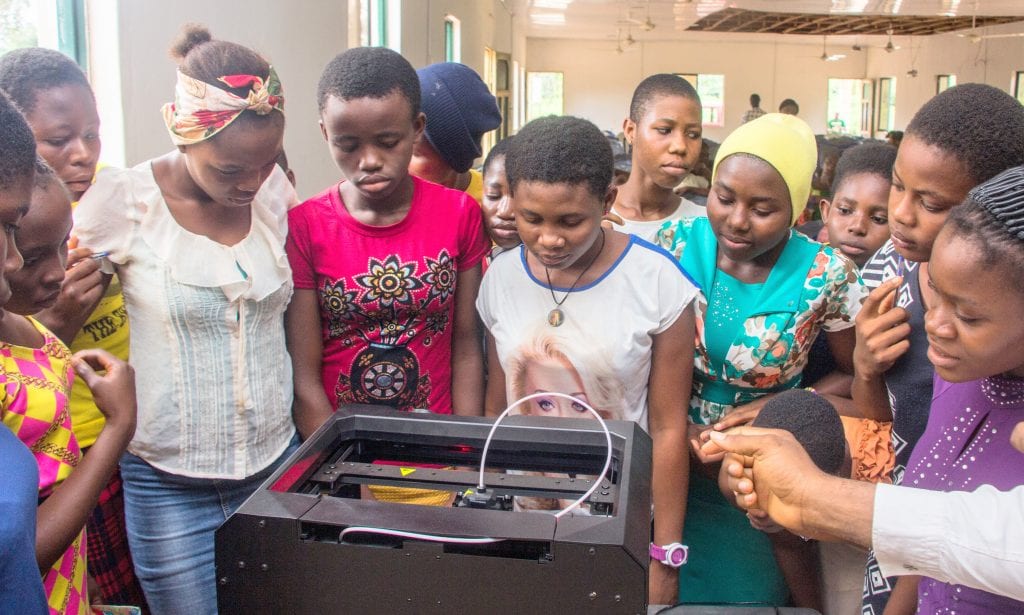
Youth for Technology Foundation was founded by Njideka Harry in 2001 in Nigeria. Youth for Technology works in regions significantly impacted by poverty and chronic unemployment, and in particular with youth and women. The Foundation’s Academy offers practical life and work skills needed to secure meaningful employment with the local companies that are members of the Foundations partner network.
Anza
Website: http://anza.co.com/
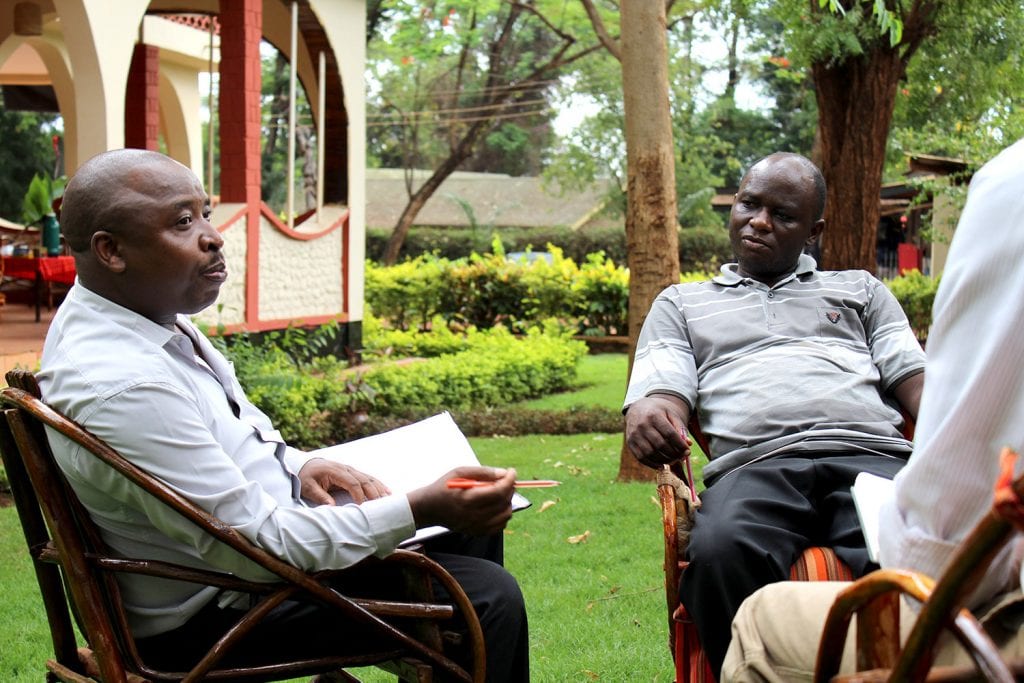
Anza, a business incubator founded by Krupa Patel in Tanzania. The organization offers a variety of services to help launch, support and grow social enterprise businesses in Tanzania. Anza has offered support to over 100 entrepreneurs through mentorship and financing, in addition to supporting several in-house social businesses as spin-offs of Anza.
ONGOZA

Website: http://ongozayouth.org/
Ongoza teaches youth groups in Africa how to grow their businesses at the grassroots level, leveraging economic empowerment and community leadership as a path towards lasting peace. As recently as 2016, their organization has continued to support over 30 youth groups with plans to expand to 15 other countries.
rise Supports Social Entrepreneurs
While they may operate in different countries and different sectors, these social entrepreneurs all share a common approach – a passionate and steadfast belief that through innovative business approaches, change can be successful and sustainable on the African continent.
Social entrepreneurs are finding solutions through involvement with local communities and a global business network. Here at rise, we’re inspired and proud to be a part of this revolutionary movement that is making the world a better place!
Relationships Inspiring Social Enterprise (rise) believes in the importance of a world where sustainable social business, created by local social entrepreneurs residing in low-income countries, are provided with the resources, knowledge, and the professional community needed to be successful and transformational in their communities.
At rise, there are many ways individuals, organizations, and businesses can get involved with our mission of bringing social enterprise education and training to sub-Saharan Africa. Please visit our Volunteer with rise page to learn more.
