News

𝐑𝐞𝐟𝐥𝐞𝐜𝐭𝐢𝐧𝐠 𝐨𝐧 𝐚𝐧 𝐈𝐦𝐩𝐚𝐜𝐭𝐟𝐮𝐥 𝐈𝐧𝐭𝐞𝐫𝐧𝐬𝐡𝐢𝐩: 𝐓𝐫𝐢𝐬𝐭𝐚𝐧 𝐋𝐞𝐨𝐧𝐚𝐫𝐝’𝐬 𝐄𝐱𝐩𝐞𝐫𝐢𝐞𝐧𝐜𝐞 𝐢𝐧 𝐋𝐞𝐬𝐨𝐭𝐡𝐨

By: Chris Theko

Tristan Leonard
Master’s Degree in Architecture Student
Technische Universität Berlin, Germany

As I reflect on my three-week internship with rise International in Lesotho, I am filled with gratitude and inspiration. This experience not only allowed me to apply my architectural knowledge in a real-world setting but also deepened my understanding of sustainable practices and community empowerment.

The Journey Begins

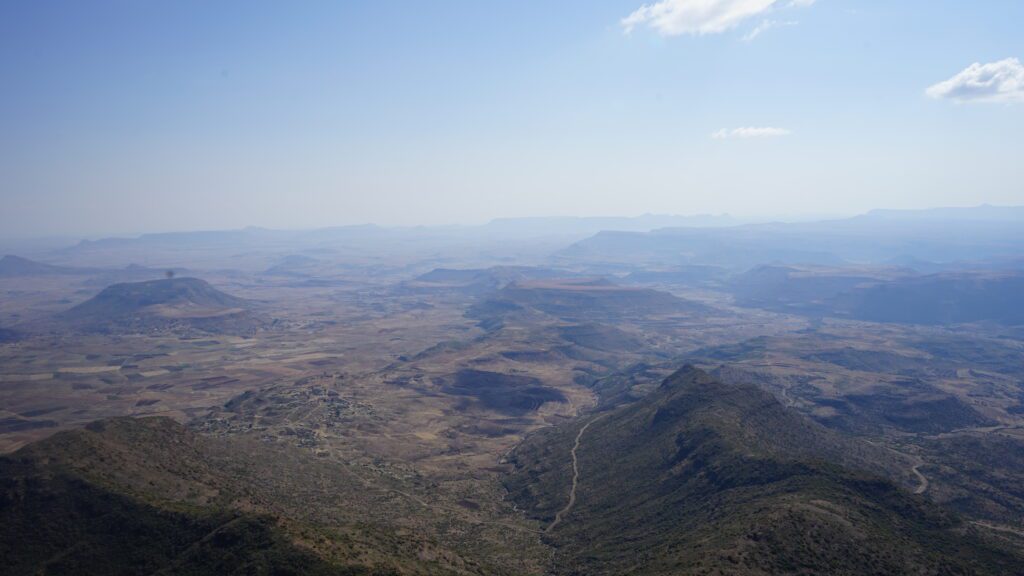
Arriving in Lesotho, I was immediately struck by the stunning landscapes and the warmth of the people. As a student from Germany, stepping into a different culture and environment was both exciting and challenging. However, I quickly realized that I was part of something much larger than myself—a community dedicated to making a positive impact.

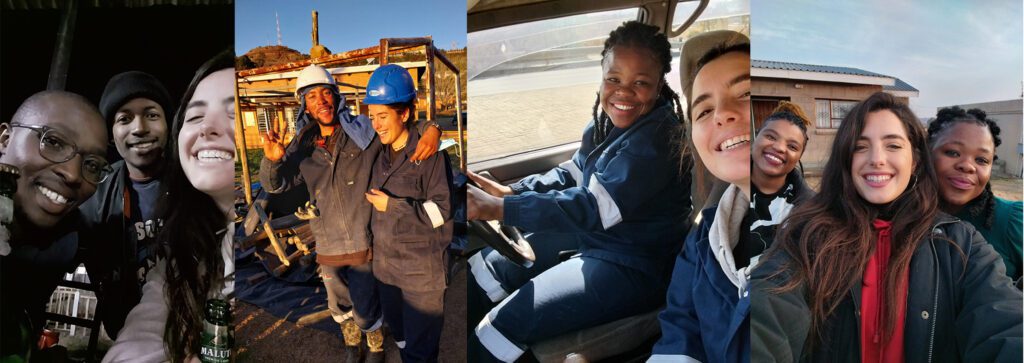
My internship was part of a skills-sharing and learning program facilitated by the African German Youth Office. It was an incredible opportunity to collaborate with local professionals and fellow interns, sharing knowledge and skills while learning from each other’s experiences.

Making a Difference at Motimposo Primary School

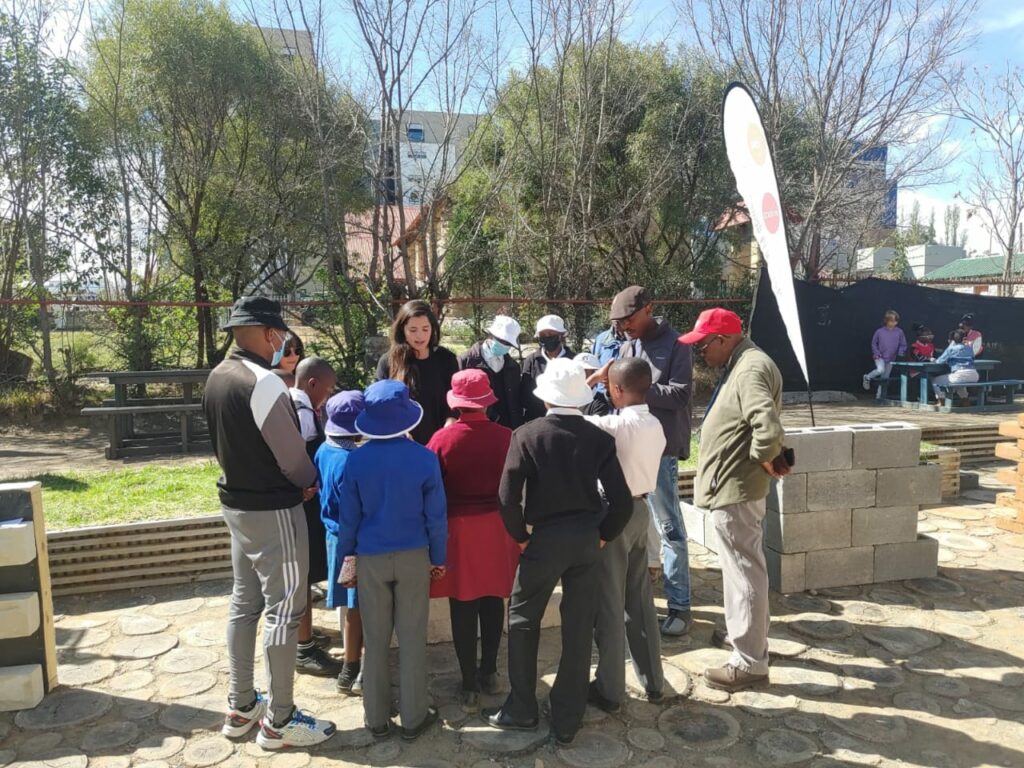
One of my key projects was contributing to the finishing touches of the Motimposo Primary School kitchen. This kitchen is more than just a cooking space; it is a vital resource for the students and the community.

Using Interlocking Compressed Earth Blocks (ICEB) for construction, we created an eco-friendly facility that aligns with rise International’s mission of sustainable building. Being part of this project, I witnessed firsthand how a well-constructed kitchen can enhance the daily lives of students by providing healthy meals and a safe environment.

Working on the Stadium of Life Project

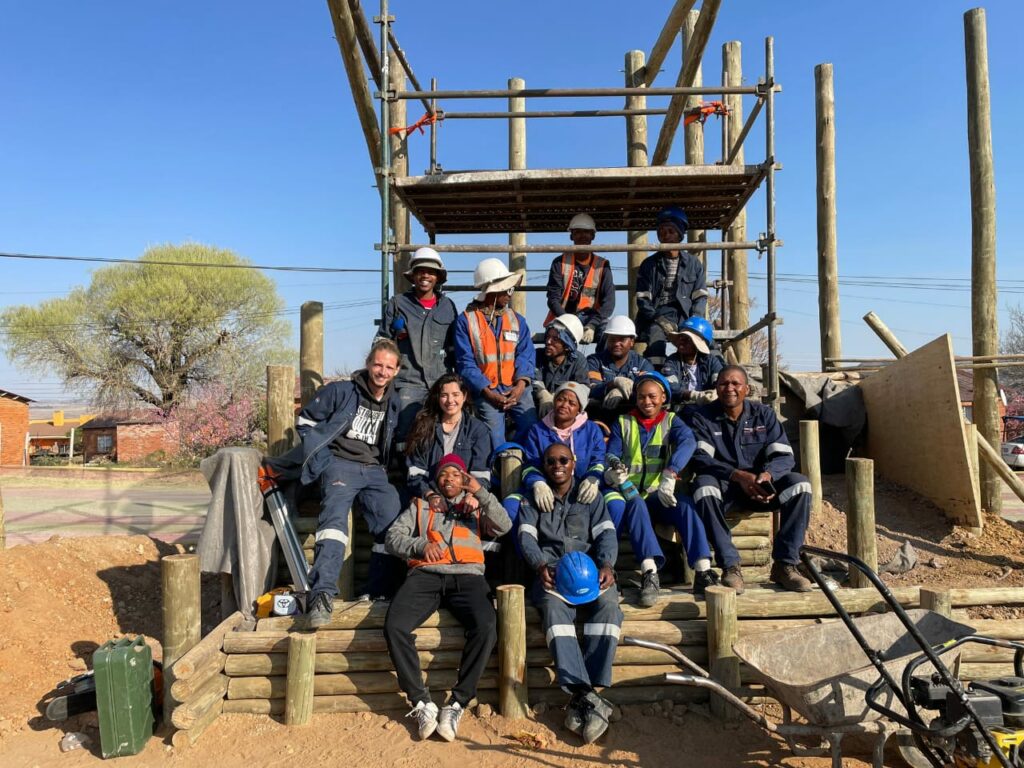
In addition to my work at Motimposo, I had the incredible opportunity to contribute to the Stadium of Life project at Kick4Life. This initiative is a landmark endeavor in sustainable construction, showcasing the potential of using locally sourced timber and innovative building techniques.

During my time there, I focused on the roof of the west seating stand, where I collaborated with skilled craftsmen and other interns. The experience taught me not only about architectural design and construction but also about teamwork and the importance of integrating local resources into building practices.https://youtu.be/AHYjZL0SJnM?si=nua5kNoXol3YCZsb

Lessons Learned

As I reflect on my internship, I recognize the immense value of hands-on experience in architecture. The challenges we faced—whether they were technical, logistical, or cultural—pushed me to think creatively and adapt quickly. Working alongside the rise International team and local community members was a powerful reminder of the importance of collaboration in creating meaningful change.

This experience has solidified my passion for sustainable architecture and community-focused design. I am more committed than ever to exploring innovative building practices that prioritize environmental sustainability while meeting the needs of communities.

A Heartfelt Thank You

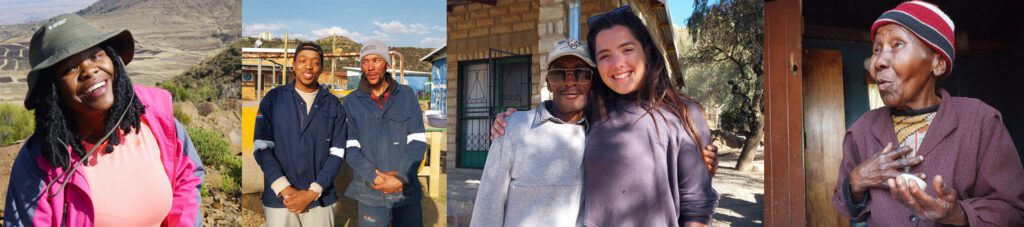
I extend my heartfelt gratitude to rise International for welcoming me into their family, the African German Youth Office for facilitating this program, and the incredible people of Lesotho who shared their stories, culture, and insights with me. My time here has been transformative, and I look forward to applying what I have learned as I continue my studies and embark on my career in architecture.

Final Thoughts

Lesotho has left an indelible mark on my journey, and I am excited to take the lessons learned here into my future endeavors. Together, through sustainable architecture and community empowerment, we can create spaces that foster growth, connection, and resilience.


Thank you, Lesotho, for an unforgettable experience!

READ MORE
Design and Build

New Learning Space For Morija Hub

The doors to Morija Hub brand-new study space and library are open! The place was opened with excitement and welcomed by community members of all ages, especially the primary and high school students. The students will highly benefit from the spaces of quiet, learning, free resources, and inclusivity. 

The library is open Mondays – Saturdays, 9am–5pm!

The design and construction of the library was carried out by rise, on behalf of The Hub in Morija all thanks to Glasswaters Foundation for their support of educational opportunities at The Hub!

The building is made out of an innovative construction project using shipping containers. It was officially completed and opened in March 2024 hosting a library, learning- and storage space!

  • The Hub’s loan-out library is open Monday – Saturday
  • Only loan-out library in Morija

The library is made possible with book donations from:

  • African Library Project
  • Books for Lesotho
  • Makosholo family
  • Individual donors

The structure also provides an extra classroom and quiet learning space and includes secure storage space.

READ MORE
rise News

Join the Club! The rise Together Movement 🌍

Thank you for supporting our entrepreneurship development programs in Lesotho in the past. Thanks to your generosity, we have been able to graduate over 50 fellows from our design, build and entrepreneurship in loco program, 71% of whom have gone on to become Pioneers and created over 183 jobs for others as a result of the skills and business training we have provided them with thanks to your assistance.

JOIN THE RISE TOGETHER MONTHLY DONORS CLUB

Your support has already had an impact on our Pioneers’ Business Incubation Program and others who are following in their footsteps being our in loco program fellows. But the reality is, in order for us to continue touching more lives and spreading the impact to transform more job seekers into job creators, we need your help.  

This year, we invite you to make your valuable support go even further by joining the rise Together Club – a monthly donating program to support our youth skills development and employment generation programs. Your ongoing monthly support will:

  • Contribute towards training more job creators
  • Provide business coaching for more entrepreneurs 
  • Equip entrepreneurs with essential tools and workspace 

You can easily sign up online here to make an impact without ever worrying about writing another cheque! (Unless you want to).

Become a rise Together Club member today and you’ll enjoy:

  • The knowledge that your donation is put to work immediately.
  • Monthly newsletters on the difference your dollars are making.
  • Hassle-free automatic monthly donations from your credit card.
  • The ability to change or suspend your donations at any time.
  • Complete statements provided for tax purposes.
  • The joy of knowing that you’re improving someone’s life.

Sponsor young Basotho through our Pioneer Business Incubation Program by making a $50 donation a month and experience the fulfillment of changing a life.

Alternatively you can also start a fundraising initiative on behalf of rise by simply visiting here where we have numerous fundraising opportunities for you.

READ MORE
rise News

Growing in bounds and leaps

rise Hosted Athabasca University Students as part of a knowledge exchange and skills sharing program 

Thanks to a Canadian government-funded program, the Global Exchange Opportunities Program, nine students from Architecture, Heritage Resources Management and Computer Science as well three faculty members from Athabasca University in Canada visited Lesotho for a 2-week visit this month. 

rise Executive Director – Daniela Gusman with Athabasca University students and tutors upon arrival in Lesotho

During this trip in Lesotho, the contingent had the privilege of visiting Morija, Lesotho’s cultural and historical center, where they spent a large part of their time. Along with 10 Architecture Technology students from Limkokwing University of Creative Technology,  the Athabasca students were trained in how to facilitate a participatory design workshop (PDW) for the proposed development of the heritage park in Morija. After gathering all the opinions, needs and wants of various members of the community as well as key stakeholders, the students worked tirelessly to analyze all the information and came up with some potential layouts for the potential development of the Heritage Park, which they then presented to the community and stakeholders for validation.  

Athabasca University students and tutors engaging in a PDW with rise pioneers and Morija community members 

While in Morija, alongside community members and rise’s in loco fellows, the students got their hands dirty as they got to learn about how to construct using rammed earth and how to make earth blocks. 

Construction of rammed earth and earth blocks

An important element of the visit, was for the students to exchange their knowledge and skills in a practical manner, whereby they got to work hand-in-hand with rise’s in loco fellows who are currently building the Stadium of Life, a football stadium for a non-profit called Kick4Life who use sport as a tool for social change. 

The National University of Lesotho also hosted the students for a lecture on The role of Basotho design culture in architecture which was led by Ms Mpinane Qhobela. They also engaged in another lecture session which was hosted by the Limkokwing University of Creative Technology on the History of Architecture in Lesotho given by Ms Boikokobetso Mohlomi which can be seen Limkokwing University Lecture Part 1 Limkonkwing University Lecture part 2

As part of the study and exploring Lesotho, the group also visited the national monument and mountain called Thaba Bosiu, the rural horseriding community of Semonkong, the University town of Roma and the capital of Maseru at the National University of Lesotho learning about the Mountain Kingdom’s heritage, architecture and tech challenges and opportunities.

Additionally, the Heritage and Computer Science students got to collaborate with students and tutors from Botho University, the Innovation Hub at the National University of Lesotho as well as the Morija Museum & Archives, the Seriti Sa Makhoarane Heritage & Tourism Project, The Hub in Morija and the Morija Arts Centre. 

rise Executive Director, Daniela Gusman with the staff of Botho University Lesotho and some of the Athabasca University tutors and students after a lecture.

Lastly the students had an opportunity to interact with Basotho artists, musicians, dancers, participate in a drumming circle as well as visiting some of Lesotho’s successful social enterprises including Pheha Plastic and Noma Pads where they joined a session  learning about the establishment’s operations and a hands on experiment of using the machinery machines to make plastic recycled products and reusable sanitary pads!

This visit was part of a 2-year program funded by Global Exchange Opportunities which will also include another group of up to 15 students coming to Lesotho in 2024. 

For anyone interested in visiting Lesotho on an educational trip contact us at info@riseint.org or sign up for updates about our International Workshops which you can learn more about here 

READ MORE
rise News

Discovering Lesotho’s Beauty: My Experience with rise international

By Vasiliki Zacharia

I am Vasiliki, an architect engineer from Greece. During my master’s program in International cooperation in Sustainable and Emergency architecture in Barcelona, my passion for travel and engaging with people from diverse backgrounds led me to Lesotho for a three-month internship with rise international.

After this transformative journey and returning to the comfort of my home, it’s time to share the key aspects of it. Although every experience has its ups and downs, I’ve chosen to focus on the bright side and the new lens through which I now view life.

Working with rise international as an architect in Lesotho was a profoundly enriching and eye-opening experience. It provided me with a unique opportunity to apply my skills and knowledge to address real-world challenges and make a meaningful impact in a community that I grew to deeply appreciate. riseinternational’s mission to support sustainable development and improve the living conditions in Lesotho resonated with me from the very beginning. As an architect, I was part of a dedicated team working on projects that ranged from building infrastructure to community development. Our work aimed not only to create physical structures but also to empower the local community with the tools and resources needed for long-term growth.

Lesotho is a captivating country. Beyond the picturesque landscapes, the breathtaking waterfalls, and the endless mountains, there’s something extraordinary that words cannot fully capture. It’s the ideal place to regain your relationship with nature, to breathe and walk around the most beautiful scenery. It’s an experience you must live to truly understand.

Someone once told me that life’s experiences depend on how we perceive them. Every encounter and every moment shared with others provides us with a unique perspective, a new pair of glasses through which to view the world. If these perspectives resonate with us, we can wear them from time to time, gaining new insights along the way.

“The real voyage of discovery consists not in seeking new landscapes, but in having new eyes” 

Marcel Proust.

To me, the real value of this experience lies in the  people. I had the privilege to collaborate with. Despite our cultural differences and distinct backgrounds, they made me feel like I had discovered my rightful place. The Basotho people lead their lives in a simple, authentic manner, a way that I may have, in many respects, forgotten.

They are warm and have a natural gift for hospitality. They eagerly engage with newcomers, welcoming them into their homes and offering food and drink. In their company, I felt an instant connection to their community. They made an effort to familiarize me with their traditions and way of life but also to learn about my perspective of life and my culture.

Basotho people possess a sense of philotimo, a Greek term, which captures the essence of integrity, honour, and respect, shapes social interactions, fosters strong connections within communities, and underpins the sense of pride and identity. It’s a concept that is difficult to fully capture in words but is deeply understood and appreciated by those who embody it in their actions and relationships. 

This experience has not only enriched my professional skills but also left a lasting impact on my perspective as an architect, reminding me of the profound impact we can have on communities in need. In Lesotho, I learned that it’s not just about discovering new landscapes; it’s about gaining new perspectives and insights by embracing the world through fresh eyes. 

Khotso Pula Nala (Peace, Rain, Prosperity)

READ MORE
rise News

“The time I spent with LNFOD gave me the opportunity to see a different way to do business”

Emma Biraghi

Don’t tell me how educated you are, tell me how much you have traveled”.

This sentence from prophet Muhammad has always inspired me, even if I’m not particularly attached to religion, this specific one touches my soul since I heard about it, probably more than ten years ago. My parents instilled the love for travel in me since I was a child and as soon, I was “old” enough to travel by myself I immediately took the opportunity.

I am Emma Biraghi, a 20-years-old Italian woman and unlike all other people that had an experience with rise, I’m not an architecture student. I’m an Italian student of international politics and law and I wanted to do a voluntary experience during summer. The problem was that no organization gave me the possibility to go so far from home at such a young age; however, rise trusted me and, thanks to the fact that I knew the architect Luca Astorri, I managed to do this incredible experience.

When I booked the flight tickets I was scared out of my wits, I understood that I was about to actually go to Lesotho and the dream was becoming true. It was not only my first time in Africa, but also my first trip without my family nor my friends: I would have been completely alone. Fortunately, Daniela and Luca greeted me with open arms and the reality was not that scary. 

I stayed in Maseru for two weeks, but those days were sufficient to make me fall in love with Lesotho: definitely one of the most amazing places I’ve ever been.

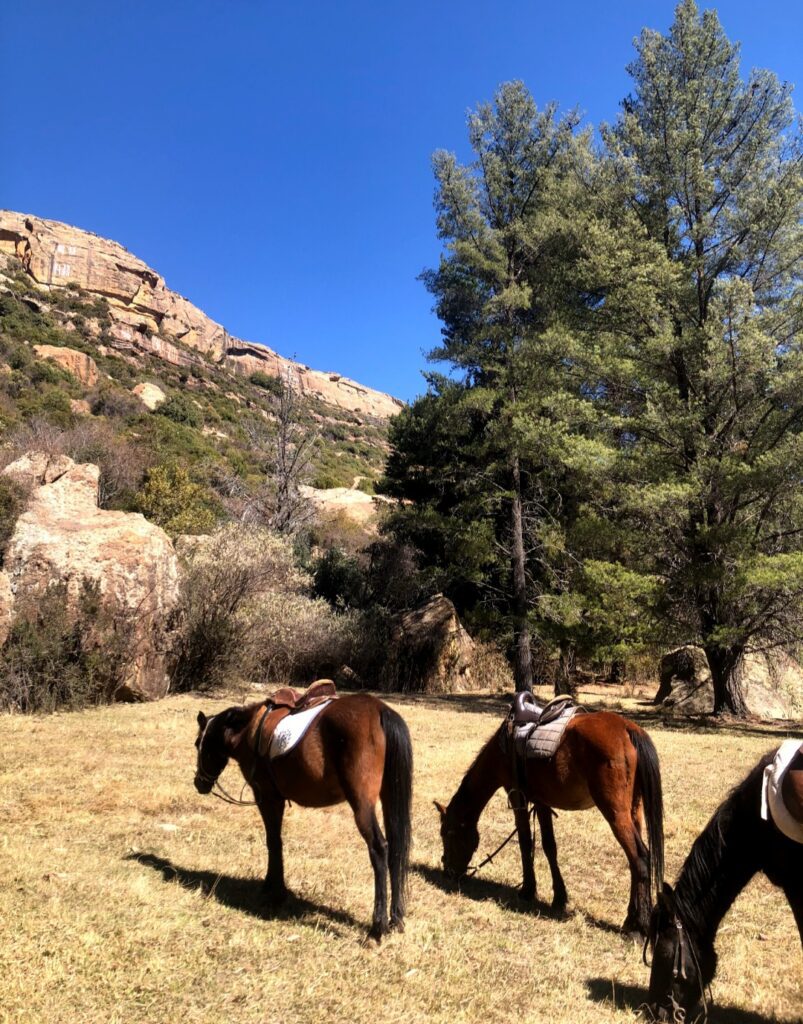
I left the hot Italian summer for winter, which probably is the thing I liked less about Lesotho; however, it gave me the opportunity to see some spectacular views from mountains and go horse-riding to see dinosaur footprints!

Apart from the beautifulness of the place itself, my voluntary experience was great too. Since I am not an architecture student, I worked with a partner of rise: Lesotho National Federation of Organisations of the Disabled (LNFOD) , an umbrella body that advocates for the human rights of persons with disabilities by representing their needs to government, private sector, and the entire community.

The time I spent with LNFOD gave me the opportunity to see a different way to do business: we’re used to imagining business meetings as a group of serious people with suit and tie, but in Lesotho things are different. I participated in a meeting for a microcredit project for women with disabilities in business and the most amazing thing to see was that everybody had the traditional clothes of the Sesotho culture, and they were singing the traditional songs, playing instruments and dancing during break time. This way of doing business shows a strong attachment with the tradition and the community that we lack in Western culture, especially in Milan, where I’m from. 

The Basotho society are more traditional, they have such a strong and powerful connection with their community, they have great faith in the world, and they express that by contributing to the growth of their society; for a city dweller like me was incredible to have a contact with a sense of belonging that I never experienced in such a strong way.

Another thing that was unbelievable was the strong contact with nature: Maseru, the capital of Lesotho, is a small city where cows and sheep cross the road with the people! There are many huge parks and in 10 minutes by car from the center it is possible to reach the mountains and the spectacular views that they offer. I strongly believe that the closeness to nature is one of the main reasons why Sesotho people always smile and are so kind, just imagine that they say “Hello! How are you?” to every person they meet in the street.


Leaving Lesotho, I was surely a bit heartbroken, but I’m grateful to have discovered their social connection, which I hope I’ll keep with me now that I’m in Italy. Going on the opposite side of the globe totally shifted my way of looking at the world and opened my mind to visit many more places where I can discover a new perspective, as it happened in Maseru with rise International family.

READ MORE
rise News

Young Female Mosotho Architect wins National Student Architecture Award in South Africa

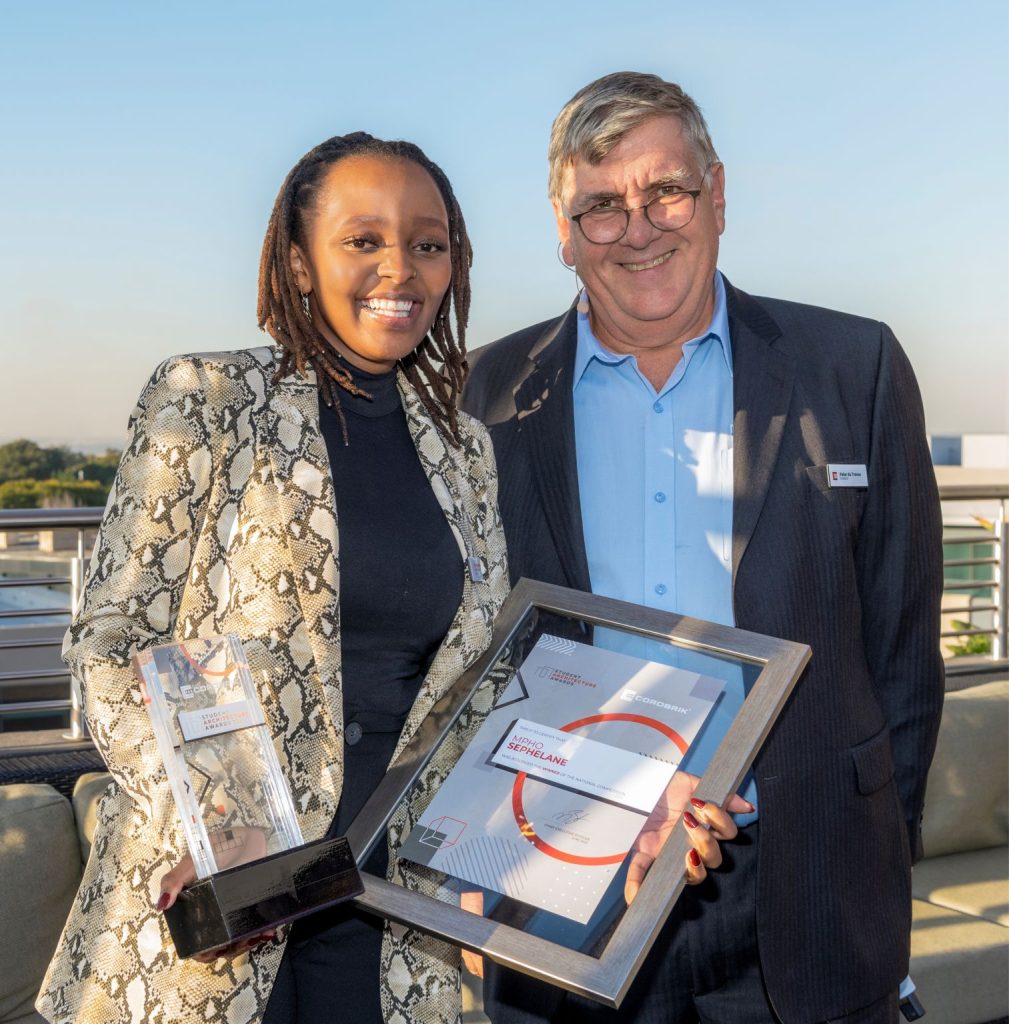
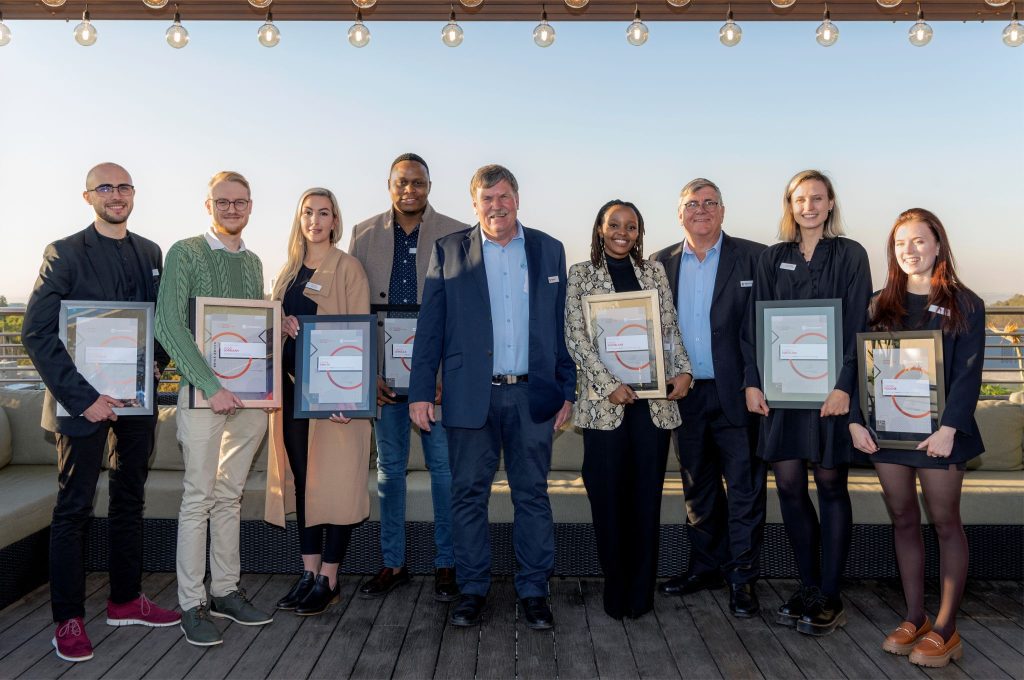
Mpho Sephelane, a young Mosotho Architect is the winner of the 35th Corobrik Student Architecture Awards, walking away with a R70 000 cash prize. These awards are said to have been inducted in 1986 and are the only competition of its kind dedicated to Masters Architectural students in South Africa (Corobik (Pty) Ltd, 2022).

This year 8 major South African universities selected their best Masters Architectural student, who presented their thesis to a panel of judges who were professionals from the South African Architecture Industry. 

Mpho was selected by the University of Cape Town, School of Architecture to present her thesis which was titled ‘Re[covering] Place: African ways of seeing, thinking and making as a call to rethink and remake places in cities’.

She brought a piece of her heritage by describing the use of the Basotho blanket as a transformative and imaginative symbol of identity and relevance. It is true that knowing where we come from and holding onto our culture and heritage is our unique compass. 

Talk about breaking boundaries! When asked how she felt about winning the award, she stated “I am still ecstatic and honored to have received such a prestigious award. It has proven to be the validation that I and other students like myself needed to drive us forward in owning our narratives in architecture. I am also extremely thankful for the overwhelming support I received during my studies and now, it is truly humbling.” She further expressed that if given the chance to speak to her 21-year-old self this is what she would tell her “Just start; you will be unsure, you won’t always get it right and you will be misunderstood, but do it anyway. Lastly, I’d tell 21-year-old Mpho to never stop learning and to celebrate her wins, no matter how small.”

Mpho reiterates that the opportunity afforded to her has validated a lot of what her fellow students, especially people who connect with their culture, have been struggling with – the issue of translating who they are and what their culture entails and the values they bring to their everyday lives and professions.

“The journey is really a beginning for me as I am excited to continue to collaborate and learn from other cultures about such ideas of translation and preservation.” – Mpho


Congratulations to Mpho Sephelane. Thank you for being an inspiration to younger generations of Basotho Architects – rise

READ MORE