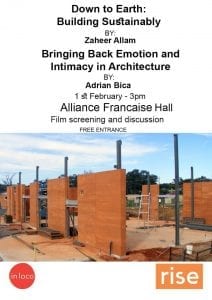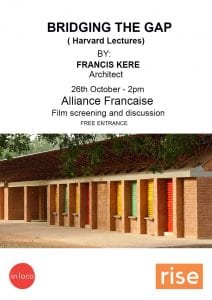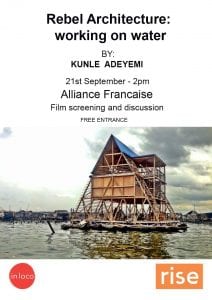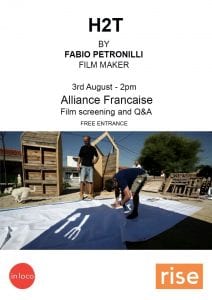
in loco program

Lesotho Blues

This time last year it was just an idea. Today, that experience inspired an ambition and a change in my career.

Was it already…? This time, a year ago?

I still remember various thoughts popping up during my last day in Lesotho; “Why am I going back? Can’t I stay for longer? How can I have more of this?”

I am sure, we all have been in the same waters; the feeling of being satisfied and not wanting to be pinched back out of the dream. 

… And you’re probably wondering, what am I talking about? Why? What? How?

Here it goes…

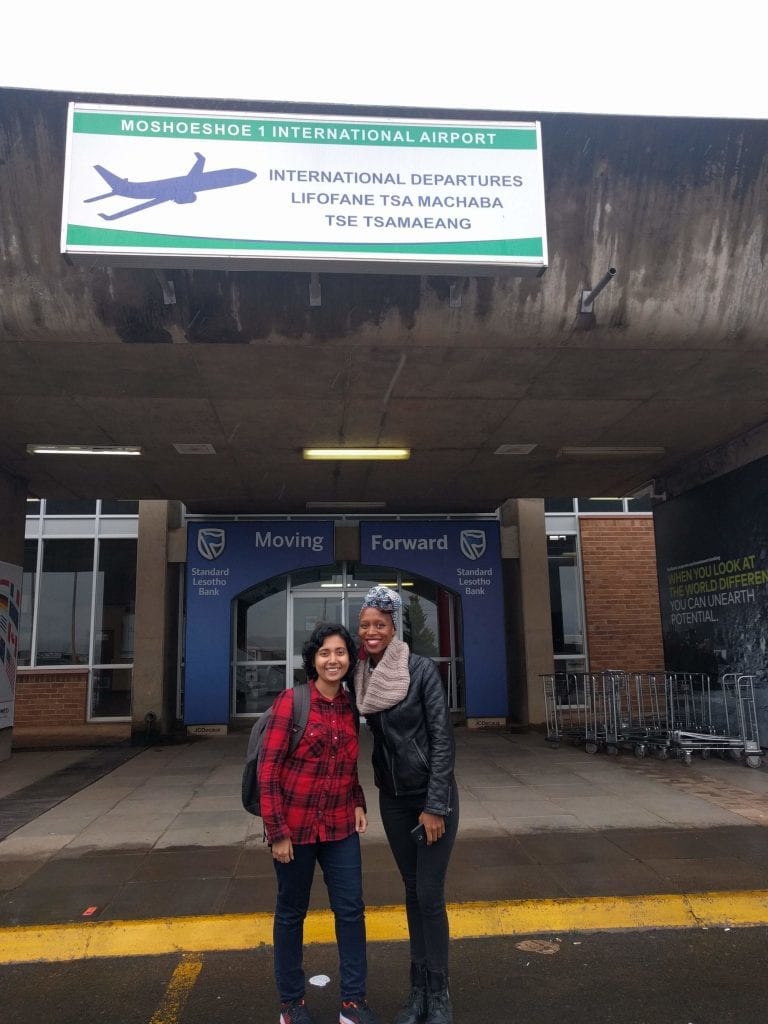
This time last year, I had just arrived in Lesotho, a landlocked kingdom surrounded by South Africa. It happened after I was invited by my professor and put into contact with Daniela Gusman, a Maltese citizen and co-founder of RISE International.  This opportunity of living, working and learning, whilst being part of a well-needed community construction project came right after completing my studies here in malta with a Masters in Structural Engineering, and, well, I couldn’t refuse it.

Exploring the Kingdom of Lesotho’s mountains

WHY? – Why did I choose to go?

Working directly with the benefitting community, RISE International incubates ideas and manages projects with sustainable niches that can provide jobs for the vulnerable locals and hence starts to rotate the wheel from the life of poverty. Through funds and various helping hands, Daniela offers the locals essential resources, such as business skills, mentorship and start-up funding, which otherwise would be impossible to reach the community. This system, that RISE holds, intends to reduce poverty by helping a community stand on its feet. In fact, the project that I had the opportunity to be part of, involved the infrastructure of a new orphanage for God’s Love Centre in a suburb village of Lesotho.

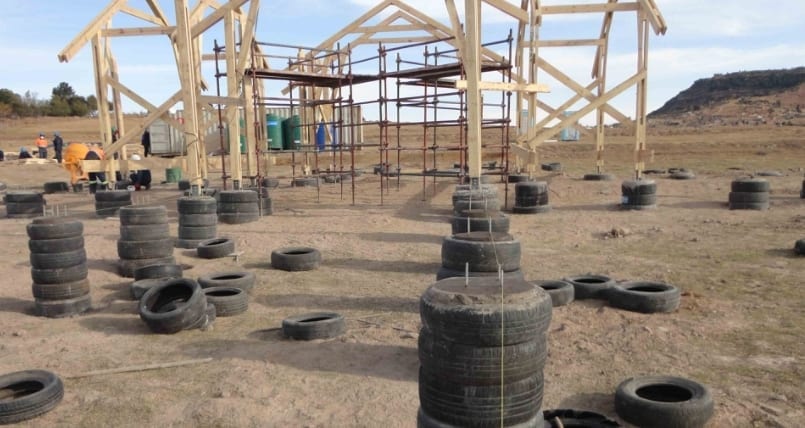
God’s Love Centre Residence for Adolescent Orphans under construction

GLC has seen a large number of children benefitting from its service and thus as numbers kept on growing, a sustainable project by RISE was just like a silver lining; one which not only provided a roof and shelter, but also job opportunities and learning systems to always improve the capacity building of the users. The invitation by RISE for international students in architecture was indeed the idea to connect similar professionals and train each other through the in loco program – training by doing. This gives one the best performance stage to learn by sharing various aspects of our career, both hands-on and through the connections made throughout the project. More over, I had to meet the team behind the project, the workers themselves who are actually newly graduates like myself from Lesotho. This project will serve as a spring board experience for their future professional career.

Adrian with GLC youth helping to convert a container into their computer lab

WHAT? – What have I experienced?
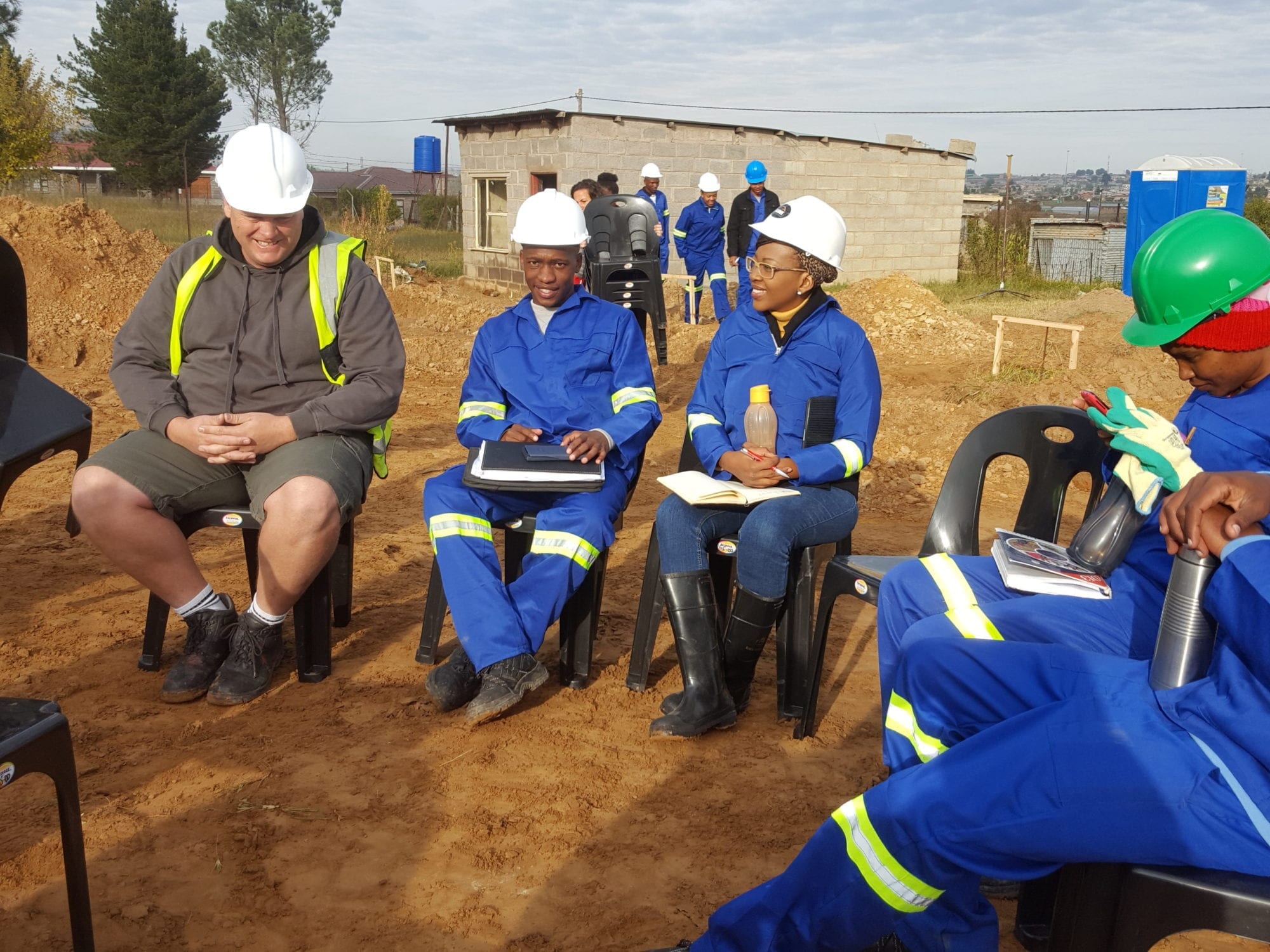
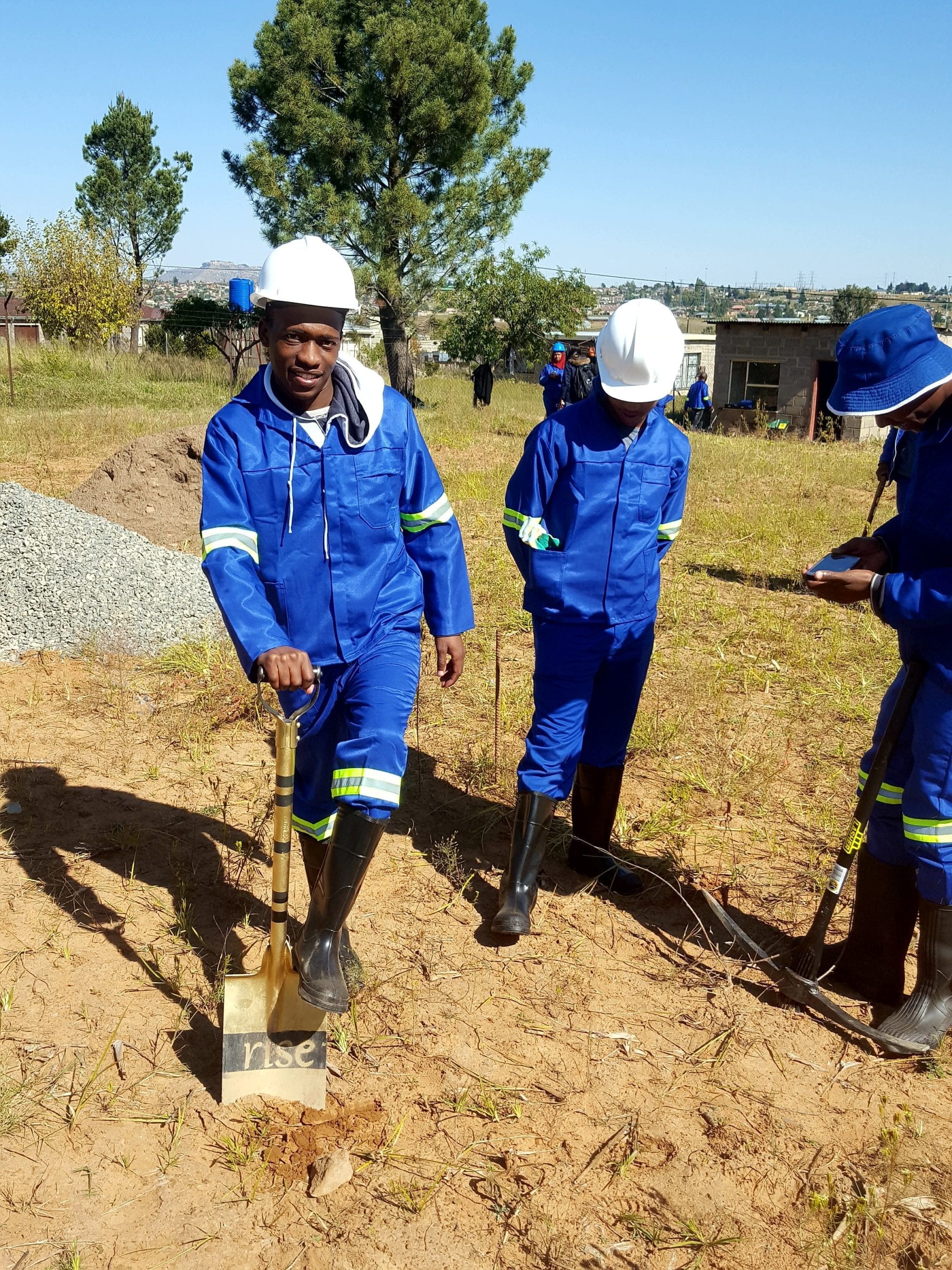
Mornings in mid July started with slow crackling sounds of our joints after the frosty, chilly nights which got better as we put our hands to work. I still smile at the flashbacks of us opening the frozen steel container and every piece of material that was left outside powdered with white frost. This was totally neutralised throughout the day as the sun starts shining and so the locals start moving, all sharing a joke, a smile or an experience with a “stranger”. It is not easy for an African citizen to showcase his knowledge in front of a white European.The smiles definitely help to break the ice and after that I really appreciated each and every moment when fellows approached me and taught me something new, “Not like that… try this – we do it this way!”
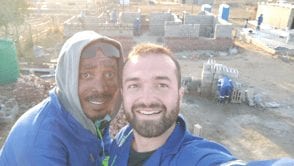
Madane Bataung, an in loco fellow with Adrian Cassar

The two weeks on the construction site led me to achieve new skills which I had never ever experienced. It opened my views on new techniques practiced in other countries. Part of the construction involved also vernacular building skills using mud bricks. This was a highlight of the experience. After years of research and learning on such skills, finally I had the opportunity of practicing them and also learning the manufacturing process when we visited a mud brick factory. Two professional architects Luca Astorri from Milan and Pedro Clarke from Portugal mentored the whole process of design and construction. This was a great asset not only for the success of the project but also the growth of each fellow member and thus myself. “Persist in doing something great and not just good!” was a statement regularly shouted out by Luca. And indeed it makes a lot of sense. Being slightly egoistal, it not only makes sense because the product ends up being more of a value but to you yourself, the artist behind the job, will feel much more satisfied when something is done great and not just good! I remember a simple but very impactful example, the brick laying technique. Everyone assumed that the bricks will be put in a stretcher bond pattern as is normally done, until we were challenged by the architects to be different and create something great, not for the sake of being different but for the empowerment that that decision can roll on. Indeed the final design was great – more work but worth the effort, more time but worth the display, more expense but worth the interest!

Local mud brick making company

Working in a team of 15 fellows, sharing responsibility between the team, and managing the site work on a daily basis was an invaluable experience both to my career and personality. After this opportunity I was now just dreaming for a shift in my career.

GLC Commemorative Plaque

HOW? – How did it help my career?

I never wrote down all the positive outcomes from this experience, but I am sure it will be a long list. However, being flexible and leaving room for discussion and hence improvements is definitely a lesson to cherish and perform in my career. When working in different cultures, one cannot impose his knowledge and usual settings. This in return, leaves space for creativity and interesting new outcomes. Imagine what you can achieve after you listen, digest and discuss, rather than just imposing what you thought is right.

The interest in such projects and in Humanitarian Architecture has been developing in me throughout the last couple of years. Through my dissertation research in my final year of studying, I brushed over the subject of shelters, deploying tents and covers for when emergency aid is most needed. This topic of research is what led my Professor to invite me to the Lesotho project. I believe that I found another profound reason for architecture. Necessities within communities give a project a sense of responsibility but also great opportunities for creativity, functionality and success.

Thinking about it … it never stopped, I was never actually finished. After coming back to our little island of Malta, I had to actually force myself into other activities. But! This never stopped me from dreaming, and thinking about what’s next.

Why/What/How is next?

Recently I was accepted by Universitat Internacional de Catalunya to study for a unique Master program in the field of International Cooperation with the main focus on Sustainable Emergency Architecture. This jolt is what I am aiming to be the key to my next couple of experiences in my career; being able to share my knowledge with vulnerable communities. The course cultivates the topics of international cooperation on humanitarian aid actions, including not only developing countries but also migration, natural disasters and city resilience.

Throughout 2019, a group of 12 adoloscents have moved from the old GLC orphanage to this new building taking a sigh of fresh breath as they train themselves in becoming independent beings before they leave the orphanage at the age of 18. The old building, became too hectic, due to the high increase in orphans, and thus the idea of RISE International was to utilise the second building for the older children and create a place where the users themselves can be the owners. Through sustainable, income generating activities on the same site, such as the IT facility housed in a shipping container and the vegetable garden on the back gives the users not only responsibility in maintaining the place but also satisfaction and holistic growth.

in loco fellows and international students
Converted Container
Computer Lab and Grocery Store: Income Generating Activities for GLC
GLC Residential Centre for Vulnerable Adolescent Youth
READ MORE
in loco program

IN LOCO FELLOWS BLOG SERIES 2019 #1: I am because we are

My womanhood and age in a male dominated industry has always been a sharp piercing thorn in my side, for unlike most of my male counterparts who had pre-exposure to the built environment in their upbringing, for me it was the dawn of a new world.

In June I was scanning my Facebook newsfeed and I saw a poster about the fellowship. What struck me as odd was the call for recent graduates for too many times the prominence is on experience. After carefully nit-picking the poster, I decided to take a shot in the dark with marginal hope it would lead to a call for an interview on a random Wednesday afternoon.

Fast-forward a few weeks later, I’m accepted into the fellowship and I make a conscious decision for a radical mind-set shift. With this new conviction, I was and still am, open to learning new things, asking questions and never shying away from research. This rejuvenated outlook gave way for acquisition of immense knowledge in carpentry, researching, concrete mixing and social media marketing.

Moreover, it has translated into an understanding that the built environment is a boys’ club thus if I can’t beat them, I have to join them. And in amalgamation with them, what has shone through is the need to speak up and be assertive as a woman and school them and us (women in construction) into a culture that accepts and celebrates each other’s differences, promotes collaborative effort and championing for each other. In this regard, no gender will fall victim to having an inferiority complex.

The most phenomenal thing that rise has done is to provide a platform to learn, hone current skills and without fail, advocate for a teachable spirit which due to constant exposure to captains of industry is a must-have. Befittingly, this spirit is what enables one to learn from fellow fellows as we are a team that stems from diverse professions. And due to this, I am no longer just a water and environmental engineering graduate, but one with carpentry, social media marketing, communication, negotiation skills and so much more.

READ MORE
News

Rei’s experience with rise

I joined rise in October 2018 as a volunteer working on the rise in the city competition for affordable housing.

This was a very exciting experience, given my urban planning background. Never in my wildest dreams would I have imagined I’d be working for rise full time, let alone as the project coordinator. Clearly Daniela saw something in me that I myself wasn’t aware of yet. In early January 2019 when she made me the offer I thought to myself ‘this lady is absolutely insane, but I like it!’

From left to right: Daniela, Alice (Rei’s Mum) and Rei


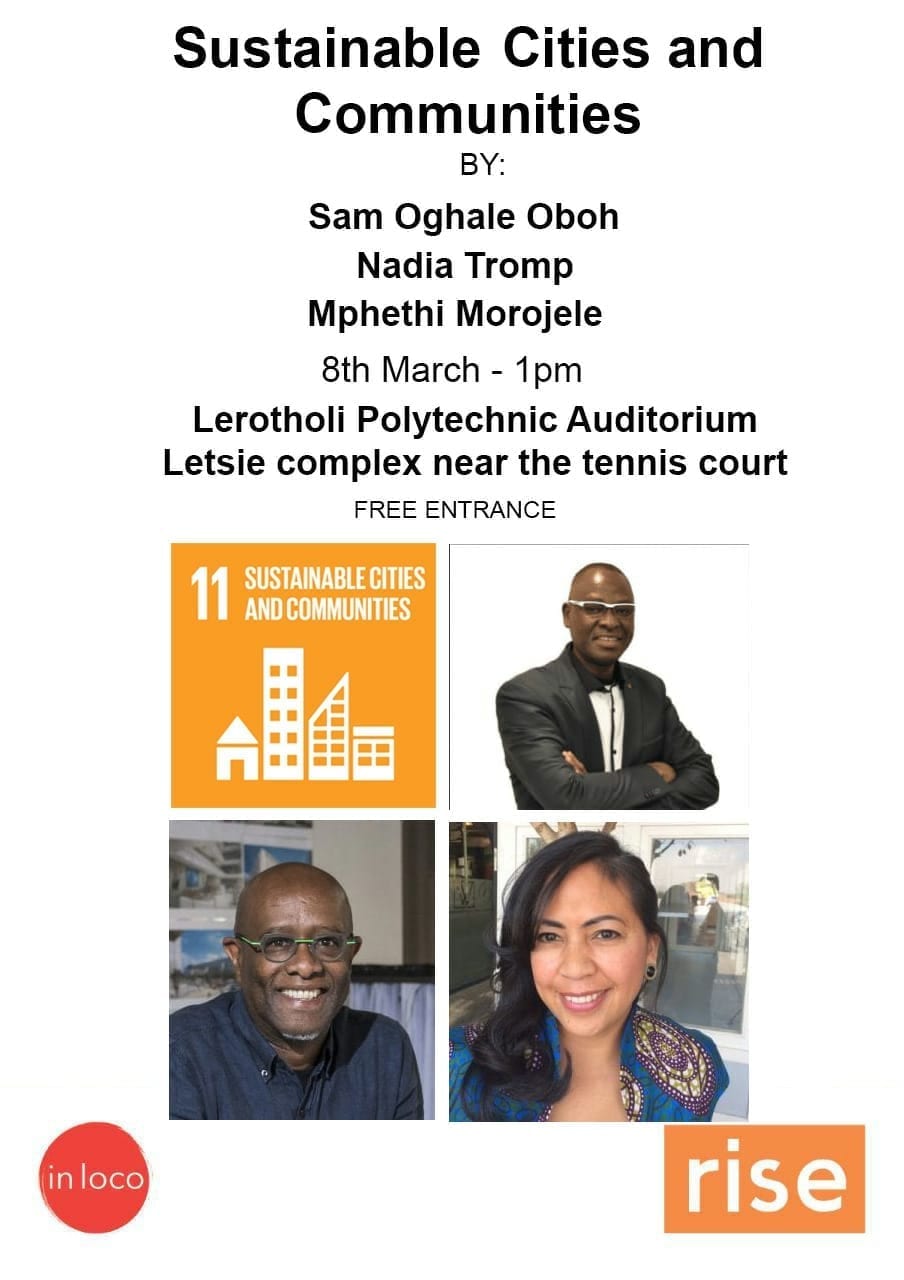
 Fast forward 8 months and I am in absolute awe of what I have managed to achieve under her guidance and leadership. The international exposure is insaaaannneee! I met with  the Portuguese Ambassador & so amazing professionals during the rise in the city competition for affordable housing, like Mphethi Morojele, Nadia Tromp, & Sam Oboh. This competition is a stepping stone for Lesotho with affordable housing; an issue that has been prevalent for quite a while.
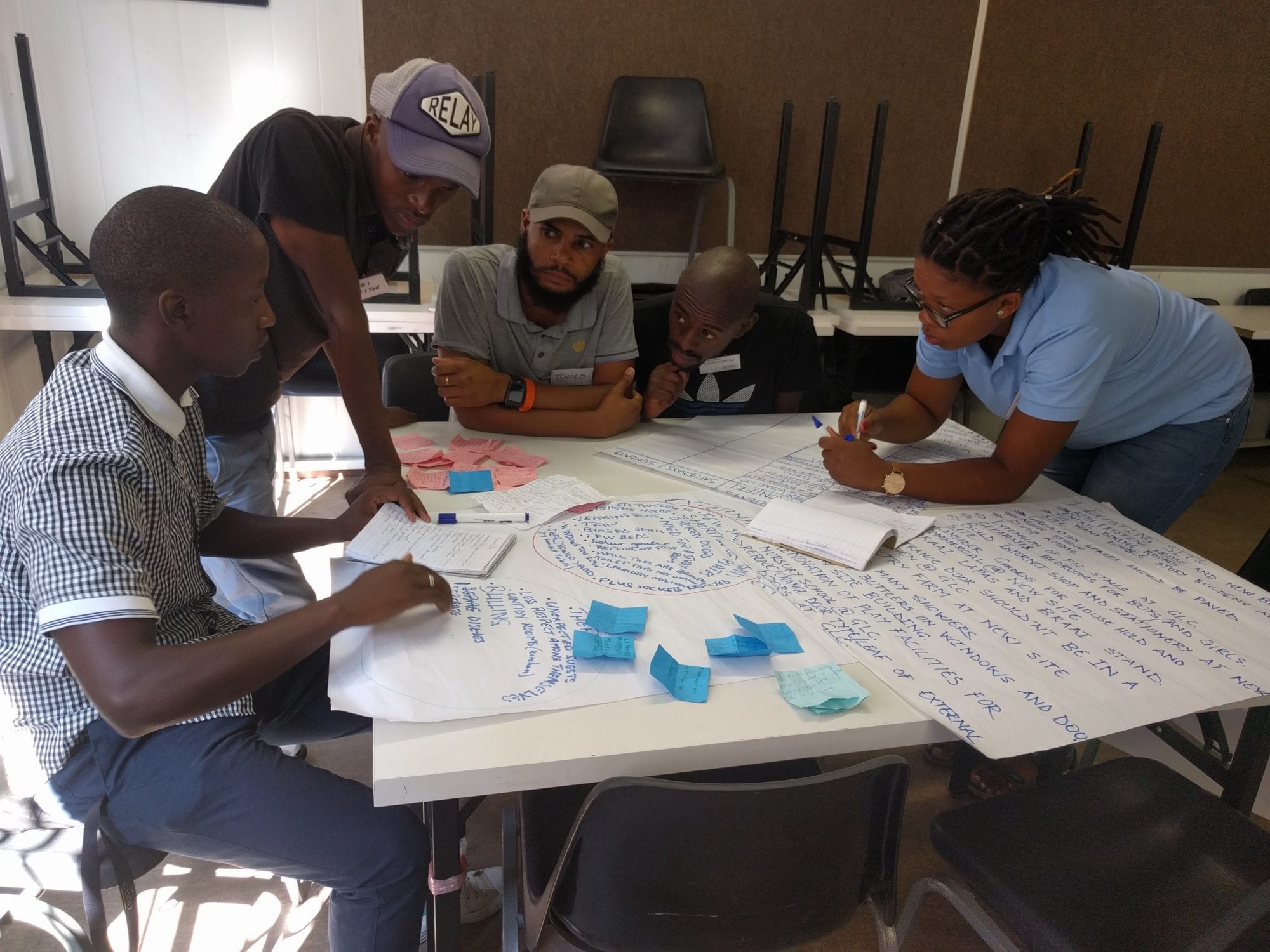
 This gave way to a participatory design workshop in April with 16 low income families. This was a touching, eye- opening experience. These hard working men & women support their families,send their kids to school & still manage to put food on the table all with a salary of less than M2,000. Being part of a solution to provide them with adequate housing within their means is an experience I’ll carry with me always.

Participatory Design Workshop for Social Housing

Then came my favourite part of my experience. The recruitment of the 2019 cohort of in loco fellows. I gave presentations at Lerotholi Polytechnic, Limkokwing University of Creative Technology and LOIC. I had numerous meetings with the faculty heads of all these schools as well as the Lesotho Agricultural College & IDM, the President of the Nul Planners Association & the HOD of the Geography department who were all of great help with spreading the word. In the end we received 97 applications!

 The highlight has to be the reaction on people’s faces when you give them hope that their country isn’t completely a lost cause. Knowing that I gave the unemployed youth in Lesotho hope gives me immense satisfaction. 

I hosted 3 film screenings and 4 lecture series events, that we host on monthly basis. This was great public speaking practice for me. In the end I got really good at it! I have been on TV twice and radio countless times. I have met numerous international professionals, & attended countless meetings with government officials of different ministries.

This has been nothing short of life changing. I have realised capabilities about myself I didn’t know I possessed. Reitumetse now and Reitumetse 8 months are 2 completely different person. I loooovvee the young woman I have become having worked at rise.

To Daniela and the team: Thank you for believing in me and providing a platform to unleash my potential. Words can’t describe my gratitude. rise is on the verge of achieving amazing things. I can only hope I’ll be able to keep up upon my return in 2 years once I’ve finished my Masters in India!

This isn’t goodbye but rather see you soon.

Rei on her flight to India
READ MORE
News

rise in the city 2018 competition winner from Bangladesh comes to Lesotho

In April 2019, I had the opportunity to visit the beautiful country of Lesotho for a week to participate in a workshop. The main objective of the workshop was to propose a solution for the lack of affordable housing problem for low-income families through community involvement. As a recent graduate of Architecture, working for and with the community is one of the core values of my studies and career stream. So, the moment I got the opportunity to be a part of this participatory design workshop, I did not think twice to go for it.

Louise welcomed to Lesotho by Palesa
Louise welcomed to Lesotho by Palesa an in loco fellow

It all started back in August 2018, when I chanced upon a web advertisement about an affordable housing design competition organised by RISE – Relationships Inspiring Social Enterprise. The prospect of designing houses for low income people to address the ever-growing housing challenge in another part of the world seemed very interesting and we quickly formed a team of three like-minded, young architects – Tanmoy Dey (team leader), Rabbani and myself. While designing, we thought about creating spaces by introducing flexibility of layout and vertical growth to accommodate the range of growing population. Winning the competition felt surreal and the prize of a trip to Maseru arranged by RISE made it even better. So, I ventured onto a plane for the very first time and travelled all the way from my home country, Bangladesh, to meet and get involved with the Basotho people.

The first couple of days were basically surveys of market, site and existing scenario. It was an interesting insight into the array of resources. The random use of metal and concrete, the most thermally inefficient materials, puzzled me, whereas there was so much earth and stone lying around.

The most interesting part came with the commencement of the PDW (Participatory Design Workshop) on affordable housing. There were three aspects to the participatory involvement – user, stakeholder and designer.

Participatory Deisgn Workshop with community members

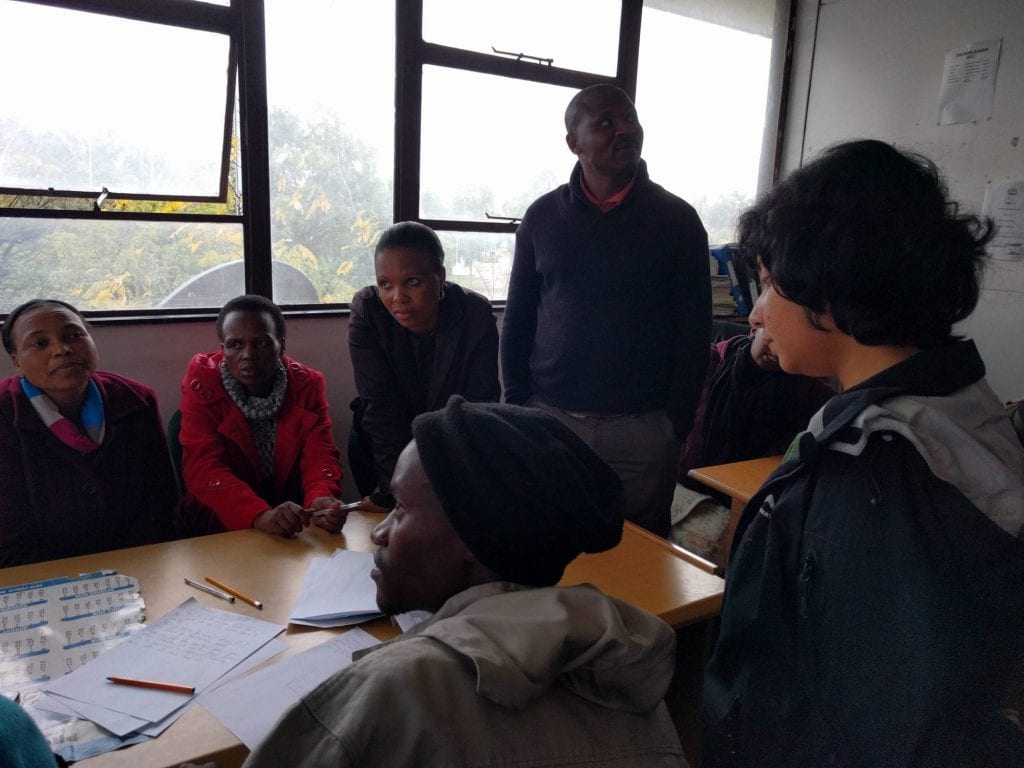
First we participated in running a community assessment of the users – local people with low range of income (of less than $70 a month). I remember the eagerness with which the locals participated in bringing forward what they wanted, what was lacking, what could be improved. It was prominent that affordable housing needs does not mean discarding facilities to cut cost but rather, it means arranging all the important elements sensibly for good living at reasonable costs. The latter session with the national housing authority further revealed the issues that stakeholders faced in delivering affordable housing. Lastly, it was up to us, the designers, to come up with a proposal balancing affordability and requirements. We went through research of materials, housing samples and modified the awarded design to adapt to contextual needs. The final proposal was presented to authorities from housing, planning and finance sectors as well as local user representatives. It sparked a light of hope to see everyone willing to embrace major changes to move forward in the housing sector. After all, movement leads to growth while stagnancy limits possibilities.

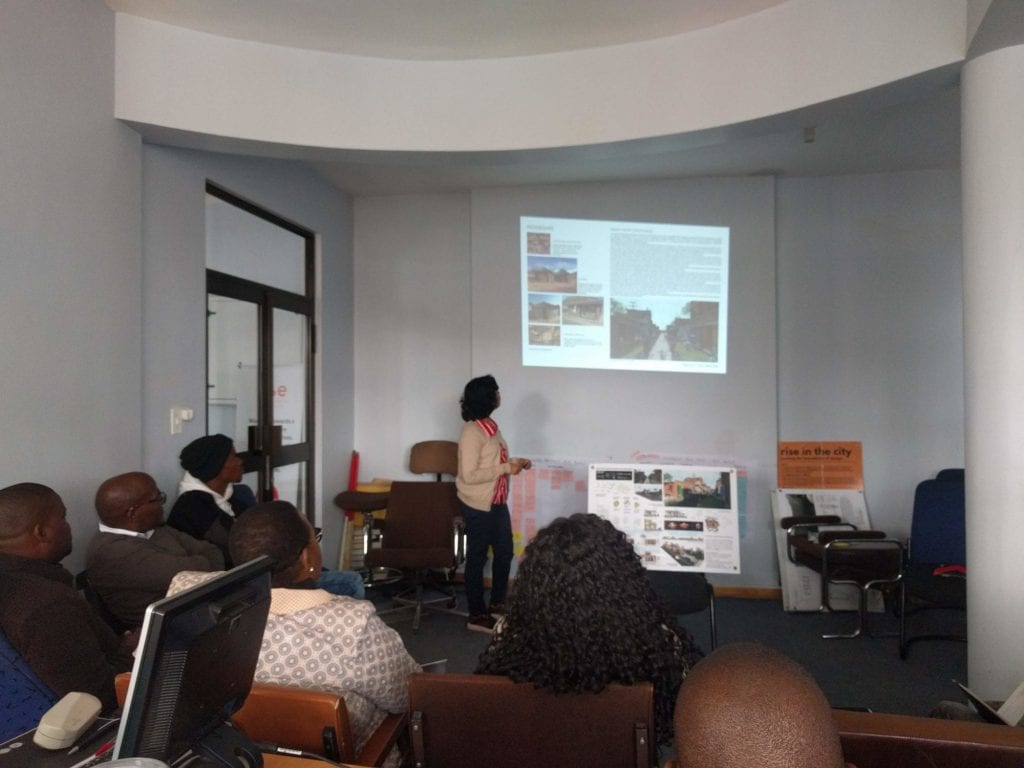
Presenting to government officials, community members and financial institutions

The PDW was finally over but the RISE team had further planned a culture trip for me before my departure. I enjoyed the scenic beauties of Maseru’s outskirts and the cultural tour of Thaba Bosiu – which means the Mountain of the Night in the local Sesotho language, upon which King Moshoeshoe I founded Lesotho. As a foreigner, I would like to share the observation I made, that this country has amazing potential for tourism given proper attention to infrastructural development.

Daniela, Founder of rise, Louise, Competition winner, Tumelo, in loco fellwo, Luca, in loco program Director (from left to right)

My stay in Lesotho was short but fun and inspiring. Best of all, I made new friends and connections. It was a pleasure to work with the energetic RISE team – Daniela, Luca and the co-operative group of local designers. It was an experience worth remembering.

READ MORE
in loco program

IN LOCO FELLOWS BLOG SERIES #10: Learning by Doing is the best way to grow

One way to understand how the real world operates after completing tertiary level, is not only through other people’s preconceived ideas and notions, but also by actually being with them and learning the skills and knowledge from those who went before you.

It was October 2017 after perusing through rise brochure about the construction of God’s Love Centre Orphanage. They were looking for recent graduates to be on the fellowship. I then asked myself, “how would my Architecture Associate Degree, my skills and my education be of benefit to this cause?” The thought that my education was going to change a life, motivated me to decide not to sit back but to use my unique abilities to pursue being a fellow as they seemed to call it.

It was a great privilege to be part of the in-loco fellowship as I gained skills and confidence of building what I have designed. I also benefited from the guest lecture series by networking with industry captains, how cool is that!

It seemed like an up-hill struggle at some points during the pilot in loco fellowship program due to the fact that I never had any experience in construction-related work. However, during the process I realised that in order to triumph and achieve maximum learning, I must apply discipline and consistency even during the uphill moments. I also realised that our deepest strengths are not enhanced when we are apart, but only when we come together in ways that we uniquely can.

Oh! By the way, our Boss (I know she’s going to hate this) (Daniela Gusman), made the uphill easier by taking us out to different places such as Semonkong as an appreciation to the prominent work that we in loco fellows were doing on construction site.

Besides the outings, the rise team is really doing a great job in making a difference in the lives of GLC children and to Basotho graduates in the built environment. Through this program; which instills in us the mindset to be job creators and not job seekers, a lot of us are in the process of starting businesses and rise has helped us get mentors, so that we can launch our businesses with an open mind.


READ MORE
in loco program

IN LOCO FELLOWS BLOG SERIES #9: No construction background…yet an in loco fellow

Towards the end of August 2017, that is when I heard about in loco. I didn’t even have to think twice about applying for it but there was a challenge for me, one of the main requirements was that the participants should have “construction related” experience. I almost gave up but the fact that the project was about improving the lives of the underprivileged kept me motivated to pursue the application process.
I remember Pedro Clarke, one of the in loco architects and rise team, asking me why I applied for the program seeing that I am the only person in the interviews without a construction related background. I knew I needed make rise understand why I needed to be part of the team regardless of my inexperience in the field.

My passion for community involvement towards development, improving the less fortunate communities have always been my driving force. Not forgetting the most important motivator to me; my personal experience.

I had an opportunity to be provided a better life and education by a similar facility “SOS Children’s Village Maseru”. That is where the love and motivation to help others came from. Not only did SOS contribute so much towards my development over thirteen years; they also encouraged me to do the same for other vulnerable people around me. I guess the love and care that I got from SOS as a child is beyond measure and the nurturing that I received helped me grow to become an independent young adult. This is basically what I would love to see happening to God’s Love Centre (GLC) youth.
The program started in February 2018 with a Participatory Design Workshop (PDW). I was clueless about building and designing, but that did not matter because the experience was easy to follow and very interesting. It was exactly what I had done in school – community assessment. This is where we interacted with the kids and they were amazing. They were full of energy and excitement as they were given the opportunity to be the decision makers of how their buildings should look like.

Not only did we involve the GLC community; we also involved the community surrounding GLC. Our first visit to GLC was really emotional, seeing the real NEED that in loco will be providing solutions to. We knew we needed to work hard from day one, as fellows to fulfil the mission, and guess what, we are on the 10th month of the project running and things are looking pretty good.

I have been keen to learn from day one. I remember some of the fellows asking me if I ever imagined digging trenches, placing reinforcement and being a labourer on site. Honestly, I had never thought along those lines. However, it has been fun; especially with such a supportive team. Now seeing the building almost done just makes me so proud because I was part of team that started it.

In as much as I have learned so much in the construction side of things; as you can guess from my educational background, my role in the fellowship was not exactly construction related. I have been the link between the project and the GLC community and I have been highly involved in the capacity building of GLC. One of the things I did which I am so proud of is the Business Trainings for the youth of GLC.

We have established six business groups and two of them are about to be launched; an Internet café and Tuck-shop. The other business groups are already running and being improved upon with the help of professional mentors who we identified for them. For example, the Pre-school was already running at GLC, they want to join it together with a day-care facility and their mentor is helping the group to improve it.

Now that we are coming to the end of the fellowship, it is going to be sad to part ways. Relationships were established both with GLC and the fellows; however this is not going to be a goodbye rather a see-you-soon moment. I am going to miss GLC and the kids especially the sessions we had, but we have just started the program “I AM WHO?”  that will go beyond January and that will grant me the opportunity to spend time with them. As for the fellows and the rest of the team, we will meet along the business lane because we are definitely going to need one another.

The fellowship has been fun, informative, and full of networking opportunities and definitely there has been great career improvement for me.

READ MORE
News

International Architecture competition “rise in the city” seeks mentors and sponsors to push the boundaries of design

International architecture competition, rise in the city 2018, has unveiled a renowned line up of high profile International judges who will be coming together to seek the ‘big idea’, that could change the future of Africa’s housing crisis. With an unprecedented number of applications from students and recent graduates from 39 different countries rushing to take part, the competition has clearly captured the imagination and passions of the architecture community. It is hoped it will push the boundaries of design, to find an affordable and sustainable solution for Africa’s rapidly growing population.

“I am delighted be on the rise panel to help shine the light on how the program is addressing local needs and contributing towards genuine economic development in Africa,” says Samuel Oboh, one of the judges on the panel and Principal Architect & VP of AECOM Canada, and continues, “The competition provides a platform to unleash a sizeable dose of creativity, diligence, dedication and discipline needed to give pride of place to the beauty, simplicity and elegance inherent in African architecture.”

The unique competition will see Maseru, the capital city of Lesotho, split into 100 blocks, each of which will be shared between a competition entry, a mentor and a sponsor. Between them, they will enjoy networking opportunities as well as the kudos that comes with international exposure.

The high profile jury will choose 10 shortlisted entries to be exhibited at a series of International events in 2019. From that list, one International winner and one Lesotho winner will have the accolade of seeing their design exhibited in Lesotho and potentially built in collaboration with the Ministry of Local Government (subject to funding). It is hoped this will inspire the local population to build more of their own homes from sustainable, locally sourced and affordable materials.

“As designers, we are facing the challenge of our lifetime. Populations are exploding, climate change is threatening our livelihood, and resources are becoming more and more scarce for those who are the most in need,” comments Nicolas Medrano, Associate Director at SOM (Skidmore, Owings & Merrill), “We are honored to participate in rise in the city, because it will have a real impact on individual families in Lesotho, and potentially be the beginning of a greater movement of positive change.”

Some of the world’s most distinguished architecture firms such as EYP Architecture and Engineering, Grimshaw, Perkins+Will, Perkins Eastman, Skidmore, Owings & Merrill and Woods Bagot Architects to name but a few, have stepped in as mentors and global companies such as MAPEI, dormakaba and Johns Manville will be benefitting from networking opportunities by taking up strategic sponsorship of a city block of their choice. There is no charge for mentors to get involved, and 100% of the proceeds go towards a live design and build training program for unemployed youths in Lesotho who are constructing a residential centre and entrepreneurship hub for vulnerable adolescents residing at GLC orphanage.

The competition is being organised by BOND Events and rise International, a social enterprise dedicated to working with communities to build relationships that inspire social enterprise.

There are just 25 places left for mentors to get involved by October 31. Sponsorship opportunities are still available until December 15.


READ MORE
in loco program

Entrepreneurship in Lesotho – The Past, Present and Future

Here is some fascinating reading from Dr Sean Maliehe (PhD), a postdoctoral research fellow in the Human Economy Programme, Centre for Advancement of Scholarship, University of Pretoria.

Dr Maliehe works on the economic history of Lesotho and on the development of mobile money in southern Africa (Lesotho and South Africa).

He gave a fascinating lecture in Maseru on Entrepreneurship in Lesotho, only his third time presenting the subject in his native country.

Click on links below for each paper:

Potential Colonial Commerce
An obscured narrative in the political economy of colonial commerce in Lesotho 1870 – 1966

The rise and fall of African Indigenous Entrepreneurs
Economic solidarity in Lesotho 1966 – 1975

Voices from Around the World
Hope for the Future

Money and Markets for and against the people
The rise and fall of Basotho’s Economic independence, 1830’s – 1930’s


READ MORE