rise News

Basotho take Heritage into their own hands
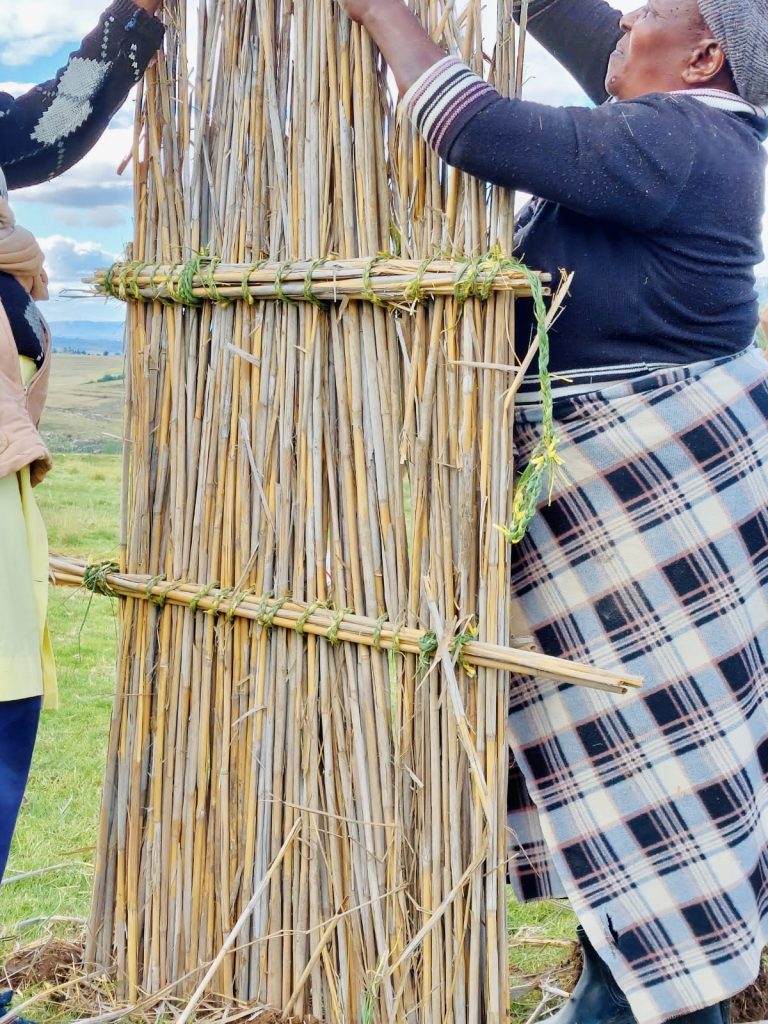
Seriti sa Makhoarane Heritage and Tourism Network (SSM) in collaboration with rise  held a first of its kind Built Environment and Heritage Masterclass in Makeneng, a small village in Maseru, Lesotho. This class was held at Makeneng (Matsieng), the royal village of Morena Lerotholi, the second-generation successor of Morena Moshoeshoe I. Architectural heritage spets from Cape Town; Janine de Waal and Graham Jacobs facilitated the Masterclass and shared their knowledge on the conservation of heritage in buildings.

A combination of people from different disciplines can now help create awareness and help youth in Lesotho with job creation in the Heritage and Conservation spectrum.  The participants and other interested persons now have the opportunity to establish an association of Heritage activists to advocate for issues and causes in Heritage Conservation. This kind of association would also work to publicize and help educate the broader public on how to better appreciate the rich heritage of Lesotho/Basotho. It would also be open to interested persons from various disciplines in order to apply “Kopano ke matla” to Heritage Conservation.
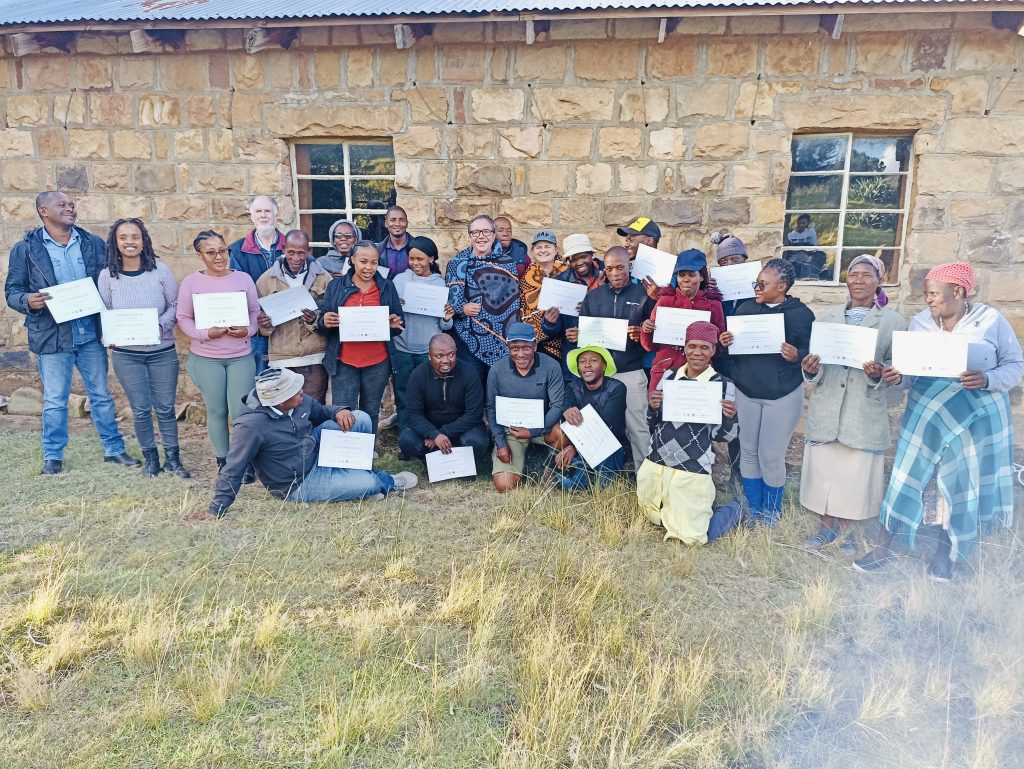
The Masterclass was attended by 20 participants including architects; researchers in Anthropology, students of heritage studies, historians, engineers, construction managers, quantity surveyors, and Makeneng residents skilled in indigenous building techniques such as stone masonry, thatch, and reed fencing.

It was a full house of experts. The Masterclass was held at Makeneng because of its rich built environment, especially when taking into account the previous royal villages of Morena Moshoeshoe I at Thaba-Bosiu and of Paramount Chief Letsie I at both Morija and Matsieng. 

Moreover, a rich and varied oral tradition has been recorded from the elderly inhabitants of Makeneng, allowing a full understanding and appreciation of the linkages between the built environment, archival sources, and living traditions. Finally, its unique architecture, landscape, and terrain give it a special ambiance with spectacular panoramic views to the north and east. Because of its geographical position, being on a dead-end road, it has largely been forgotten but Makeneng is a prime candidate for special recognition.
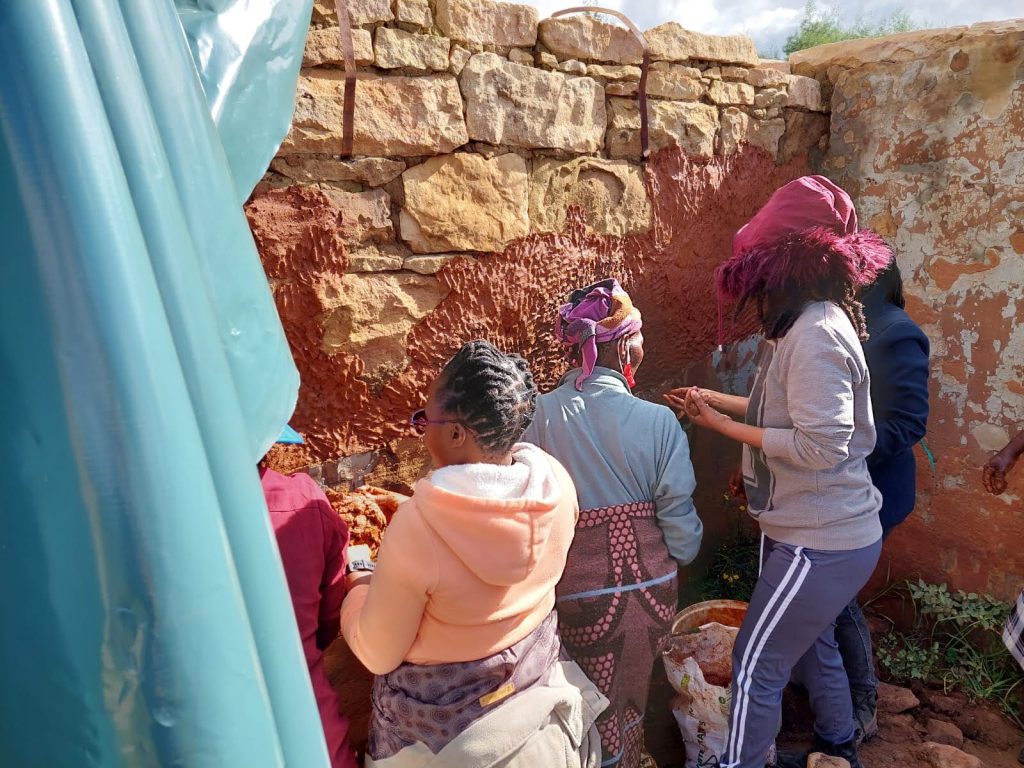
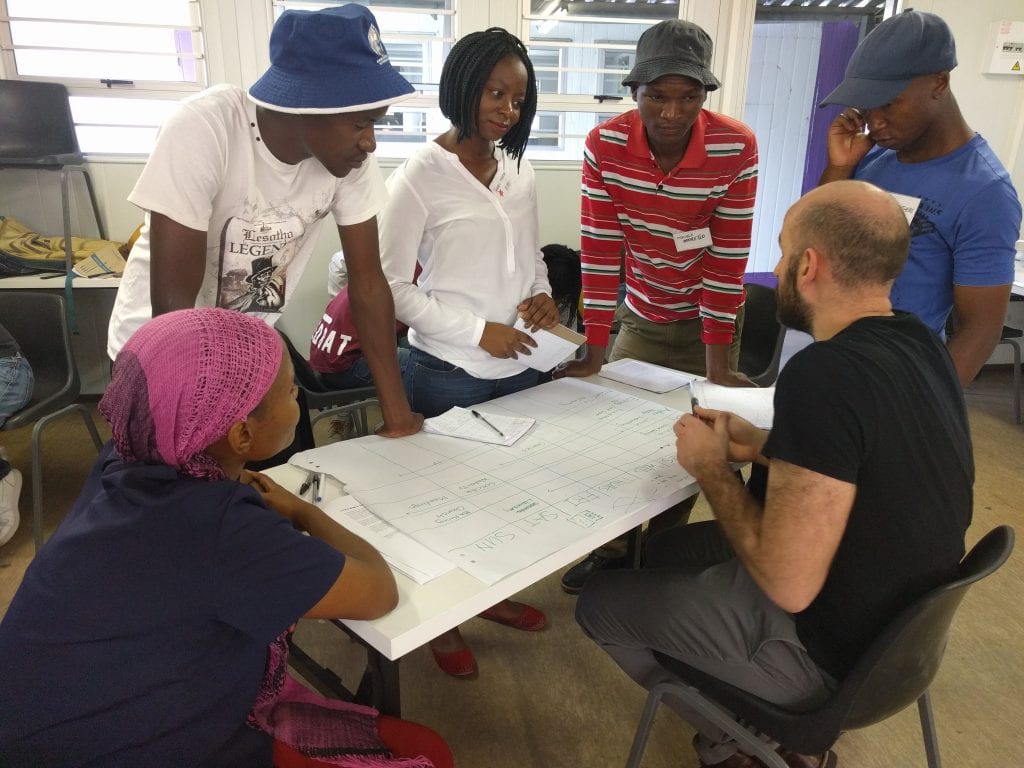
The Masterclass followed a participatory methodology as it involved knowledge and skills sharing between trainers and trainees. The trainers taught steps to follow to achieve heritage conservation of buildings, while trainees shared their knowledge and skills on Lesotho’s indigenous architecture.

These were all illustrated through practical demonstrations like; How to protect the wall of the Evangelist’s House from further damage using cow dung and mud; Seotloana and Reed screen demonstrations, and many more. The Masterclass explored the importance of not only conserving heritage sites and buildings in Lesotho but the need to preserve and adapt indigenous knowledge systems to create energy-efficient buildings that will be more sustainable and climate-friendly.

About Seriti sa Makhoarane Heritage and Tourism Network (SSM)

SSM is a legally registered association committed to the preservation, presentation and promotion of heritage and tourism associated with the Makhoarane area.  

For more info on this initiative, please contact:

Mr Stephen Gill, +266 5885-8662, morija@leo.co.ls 

Ms Daniela Gusman, +266 5946-0734, daniela@riseint.org 

Mrs Maneo Ralebitso, +266 5801-6984, cereboz@yahoo.com 

Mr Pusetso Nyabela, +266 5886-0884, pnyabela20@gmail.com 


READ MORE
rise News

rise awarded a grant by US Embassy for Tool Library

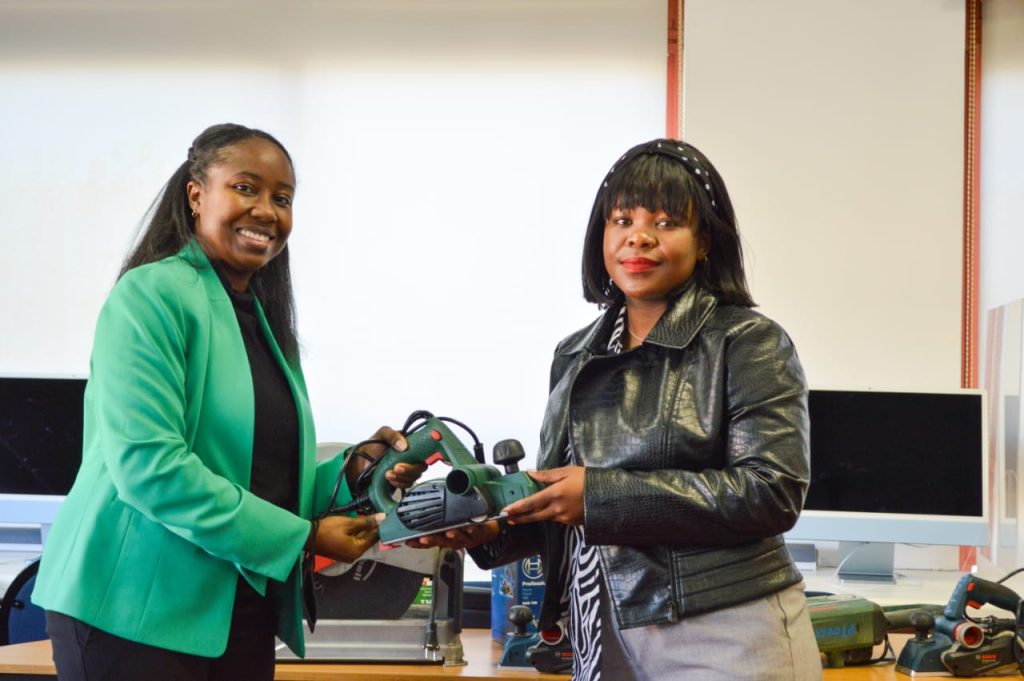
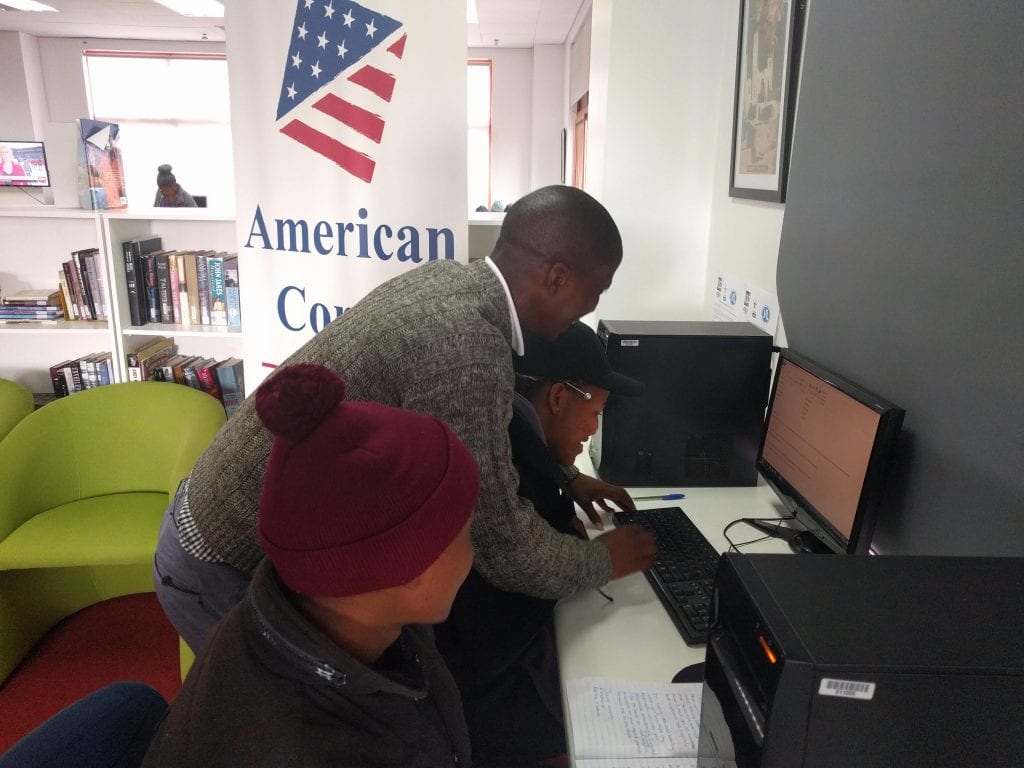
United States Acting Deputy Chief of Mission Erika Lewis with rise Construction Coordinator Thato Nkikana

American Corner, State Library Maseru – The handover ceremony of a Tool Library for rise funded by the Ambassador’s Special Self-Help Fund of the US Embassy took place today 28 July, 2022. rise has been awarded a grant in the amount of $8,061 towards the establishment of a Tool Library for entrepreneurs in the Built Environment industry. As part of rise’s mission to build an active entrepreneurship ecosystem for Basotho youth, rise plans to provide tools that young aspiring entrepreneurs can work with and help their businesses grow. Towards that end, rise plans to set up a fully-equipped tool library for entrepreneurs to improve their carpentry, joinery, and welding skills, and also utilize them on construction projects.

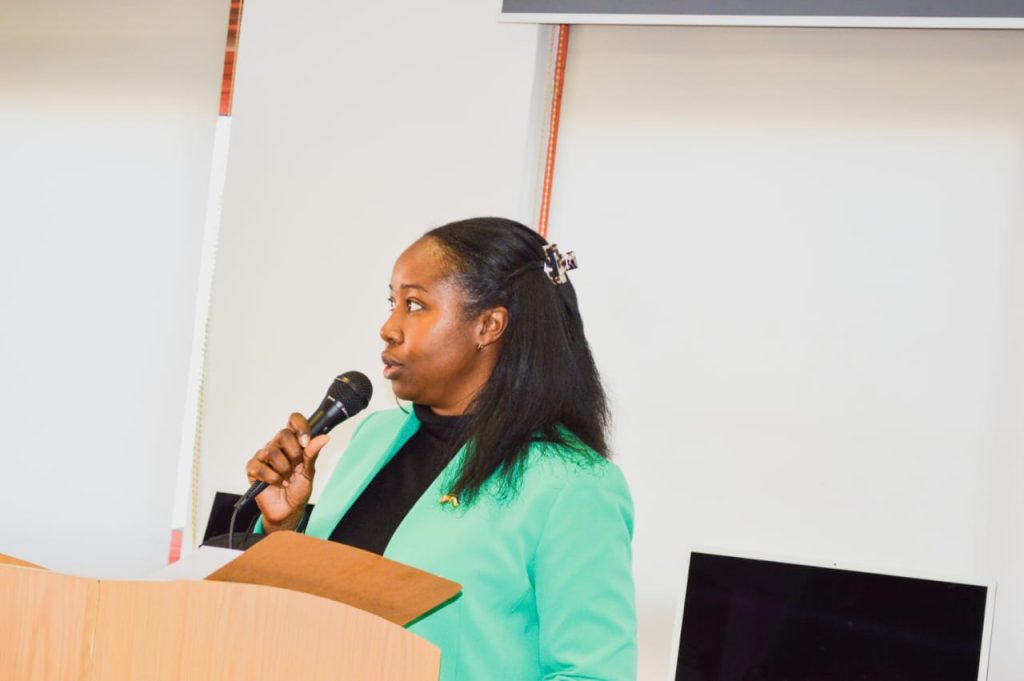
United States Acting Deputy Chief of Mission Erika Lewis said “In addition to efforts to strengthen the business ecosystem in Lesotho through the recently signed Millennium Challenge Corporation compact and support for expanded exports from Lesotho to the

United States under the African Growth and Opportunity Act, the United States is committed to working hand-in-hand with the private sector, civil society, and government to drive investment in innovation and creative solutions. This grassroots project, which will build skills and opportunity, is a perfect example of what we can accomplish together.” She further expressed that she is happy to know that rise has been working to help communities in Lesotho for 5 years and looks forward to future collaborations with rise.

Looking at the world today, we see a huge mismatch between the skills young people have and the skills employers need. Without opportunities to build the right skills, millions of youth will struggle to find jobs and risk being left behind. Through the in loco program, rise helps these young Basotho to start their own businesses and become “job creators” instead of “job seekers”, thereby creating opportunities for themselves and their communities. For this to happen, these young people need resources to start.

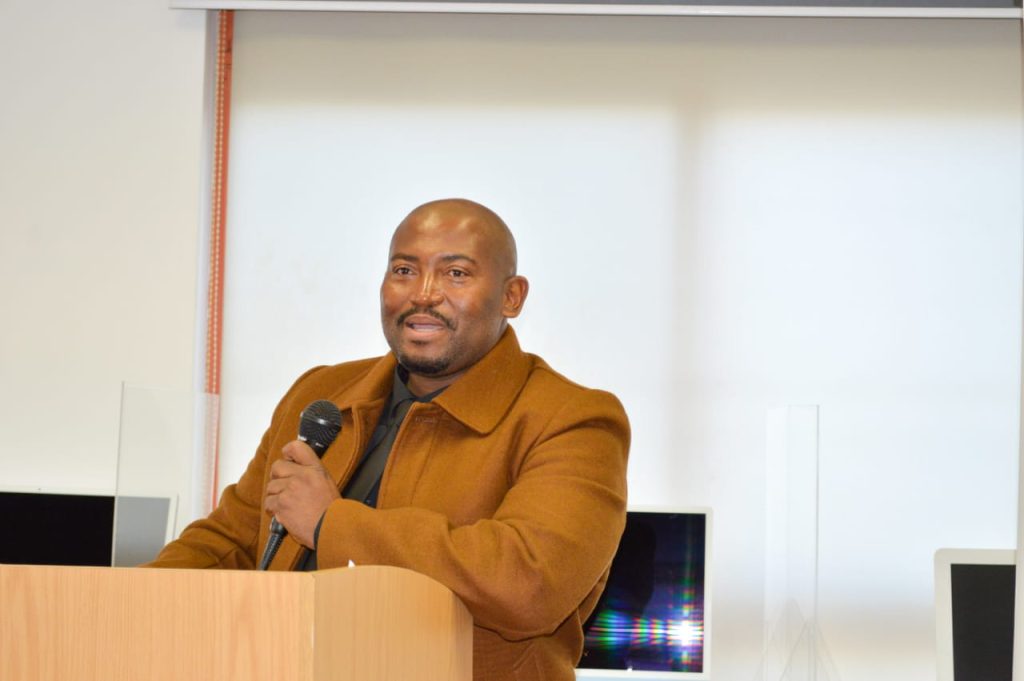
Nkopane Sehapi, The Manager of Partial Credit Guarantee Fund (PCGF) in his speech expressed: “I would like to thank rise International for keeping their promise of assuring the position of humility, commitment, dedication, and determination to uphold and defend the interests of current and future Basotho entrepreneurs.

It has been a very crucial year for entrepreneurs to come back in full operations since the Covid19 pandemic – let alone the crop of start-ups to make breakthroughs in business. PCGF and the Ministry of Small Business, Cooperatives, and Marketing in collaboration with rise will soon launch a one of its kind model to assist graduates, businesses, and informal businesses countrywide.” 

The primary beneficiaries of this tool library are young Basotho entrepreneurs aged between 18 to 35 who are in the process of setting up their own businesses in the built environment. They are a mixture of carpenters, electrical and structural engineers, construction workers, plumbers as well as other artisans and craft workers. Some will have been through rise’s in loco fellowship program and others will be upcoming entrepreneurs wanting to set up their own businesses in the built environment in order to earn a living. The secondary beneficiaries will be vulnerable communities with whom rise partners and through the in loco fellowship designs and builds much-needed infrastructure to improve the quality of lives by solving a social need.

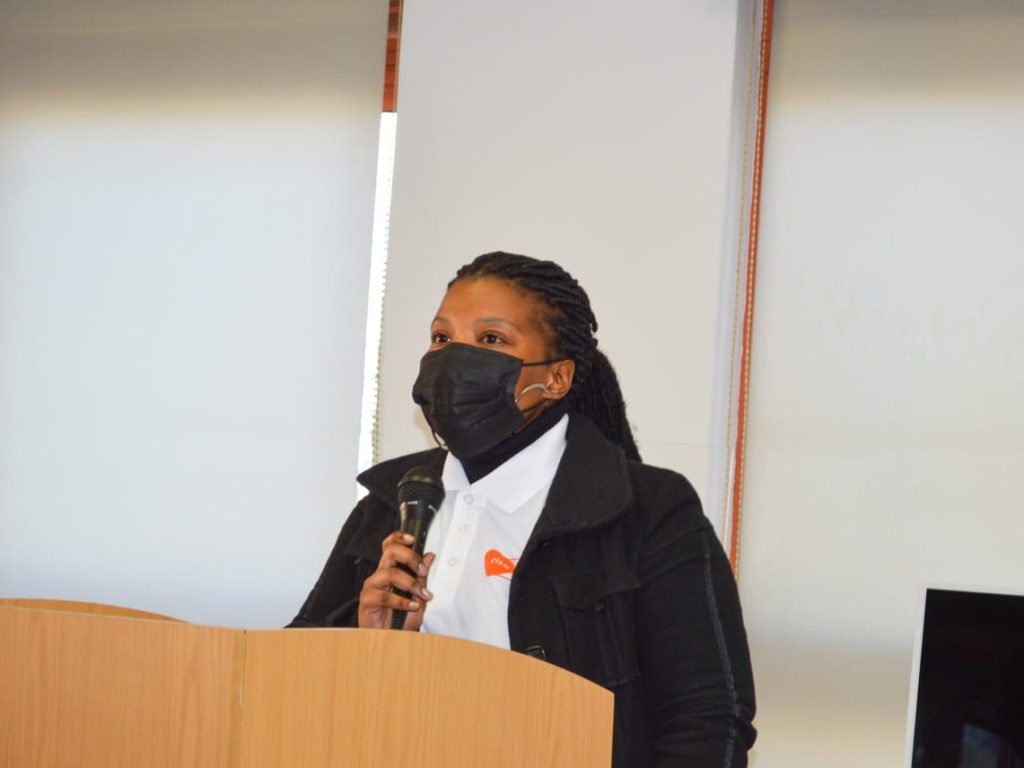
It is a pleasure to have been a recipient of the US Embassy Self Help Grant which has enabled us to buy 69 tools in 3 different categories; power tools; bricklaying; and carpentry tools. Through this tool library we are able to help all the pioneers who have graduated from our in loco program, as well as other

Basotho youth who have businesses in the built environment, to excel and reach their fullest potential. Our overall vision as rise is to see job seekers become job creators. The Lesotho we want is in the hands of the youth.” – Reitumetse Nthako, rise Country Director.

Pictures captured by Reitumetse Raphanyane

READ MORE
rise News

Young Female Mosotho Architect wins National Student Architecture Award in South Africa

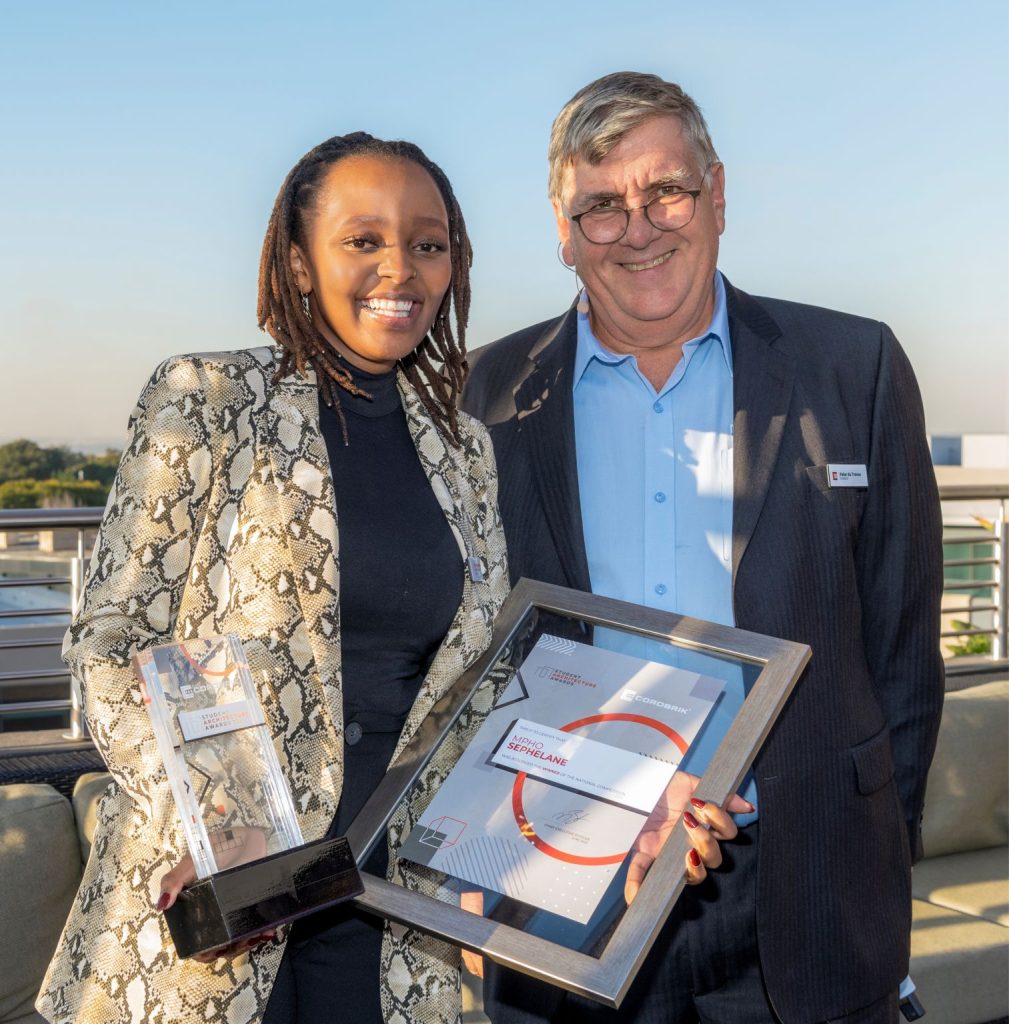
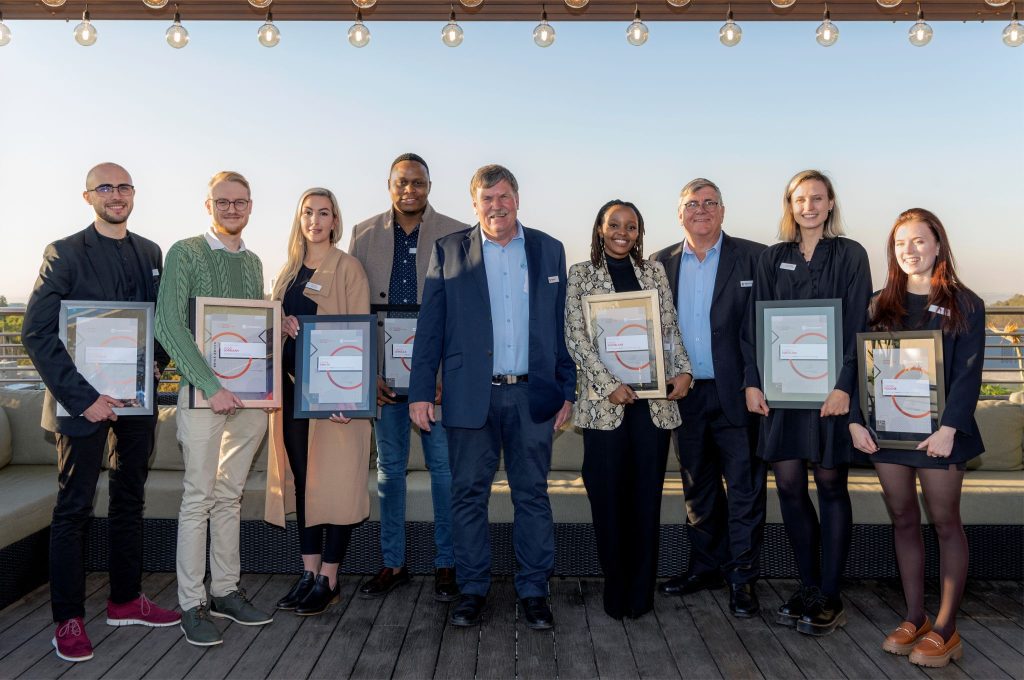
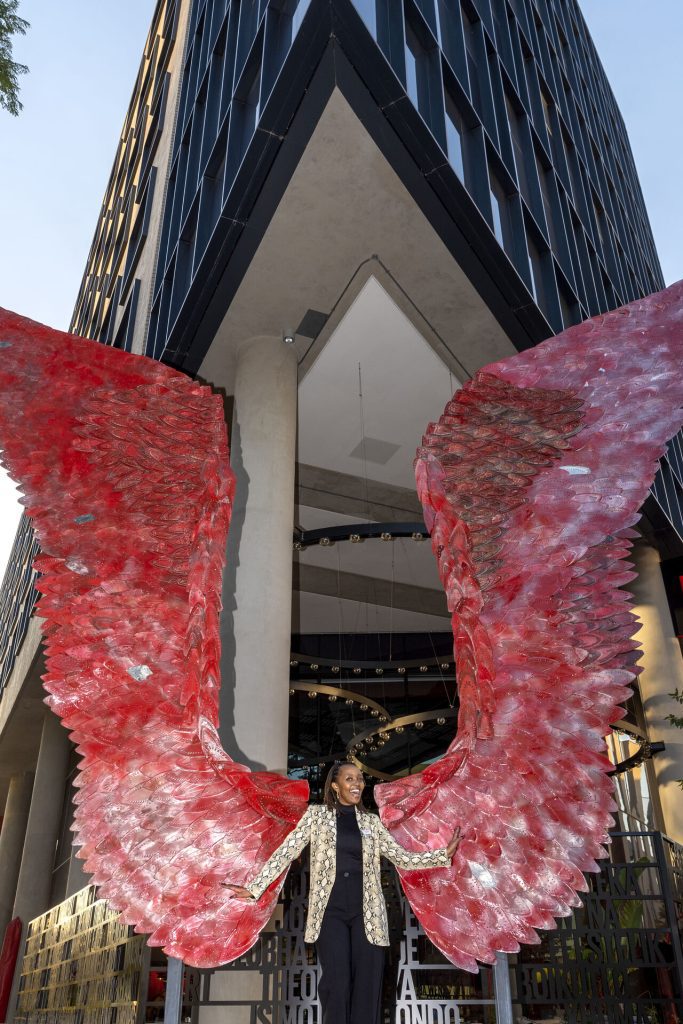
Mpho Sephelane, a young Mosotho Architect is the winner of the 35th Corobrik Student Architecture Awards, walking away with a R70 000 cash prize. These awards are said to have been inducted in 1986 and are the only competition of its kind dedicated to Masters Architectural students in South Africa (Corobik (Pty) Ltd, 2022).

This year 8 major South African universities selected their best Masters Architectural student, who presented their thesis to a panel of judges who were professionals from the South African Architecture Industry. 

Mpho was selected by the University of Cape Town, School of Architecture to present her thesis which was titled ‘Re[covering] Place: African ways of seeing, thinking and making as a call to rethink and remake places in cities’.

She brought a piece of her heritage by describing the use of the Basotho blanket as a transformative and imaginative symbol of identity and relevance. It is true that knowing where we come from and holding onto our culture and heritage is our unique compass. 

Talk about breaking boundaries! When asked how she felt about winning the award, she stated “I am still ecstatic and honored to have received such a prestigious award. It has proven to be the validation that I and other students like myself needed to drive us forward in owning our narratives in architecture. I am also extremely thankful for the overwhelming support I received during my studies and now, it is truly humbling.” She further expressed that if given the chance to speak to her 21-year-old self this is what she would tell her “Just start; you will be unsure, you won’t always get it right and you will be misunderstood, but do it anyway. Lastly, I’d tell 21-year-old Mpho to never stop learning and to celebrate her wins, no matter how small.”

Mpho reiterates that the opportunity afforded to her has validated a lot of what her fellow students, especially people who connect with their culture, have been struggling with – the issue of translating who they are and what their culture entails and the values they bring to their everyday lives and professions.

“The journey is really a beginning for me as I am excited to continue to collaborate and learn from other cultures about such ideas of translation and preservation.” – Mpho


Congratulations to Mpho Sephelane. Thank you for being an inspiration to younger generations of Basotho Architects – rise

READ MORE
rise News

Lesotho exhibits at Triennale Milan, Italy for the first time

More exposure internationally for the Mountain Kingdom as Lesotho is awarded a pavilion at the prestigious Triennale Museum in Milan, Italy, one of the world’s leading cultural institutions. This year Triennale Milano takes up and continues the important reflections that emerged from the last edition; Broken Nature, ensuring critical continuity with its proactive approach. The exhibition is conceived as a space for open, wide-ranging debates and exchanges of views, where different experiences, cultures, and perspectives can converge. The title of this 23rd International Exhibition is “Unknown Unknowns”, it offers itself to visitors as a rediscovery of mysteries.

Did you know that we only know a paltry 5% of the universe? Lesotho, a landlocked country in South Africa, is part of that 95% of the world still unknown to many. The research for the pavilion was conducted by Giada Zuan, on behalf of rise and the Milan-based architecture AOUMM, under the leadership of Luca Astorri, rise‘s lead architect and co-Founder of AUOMM. The research found that the Kingdom of the Sky through water forms an essential element of the country’s identity. “Lesotho Water Realms: a visual research on geopolitics, society, and rituals” offers the visitors three-dimensional scales between landscape, human proximity, and spirituality, through an assemblage of visual fragments.

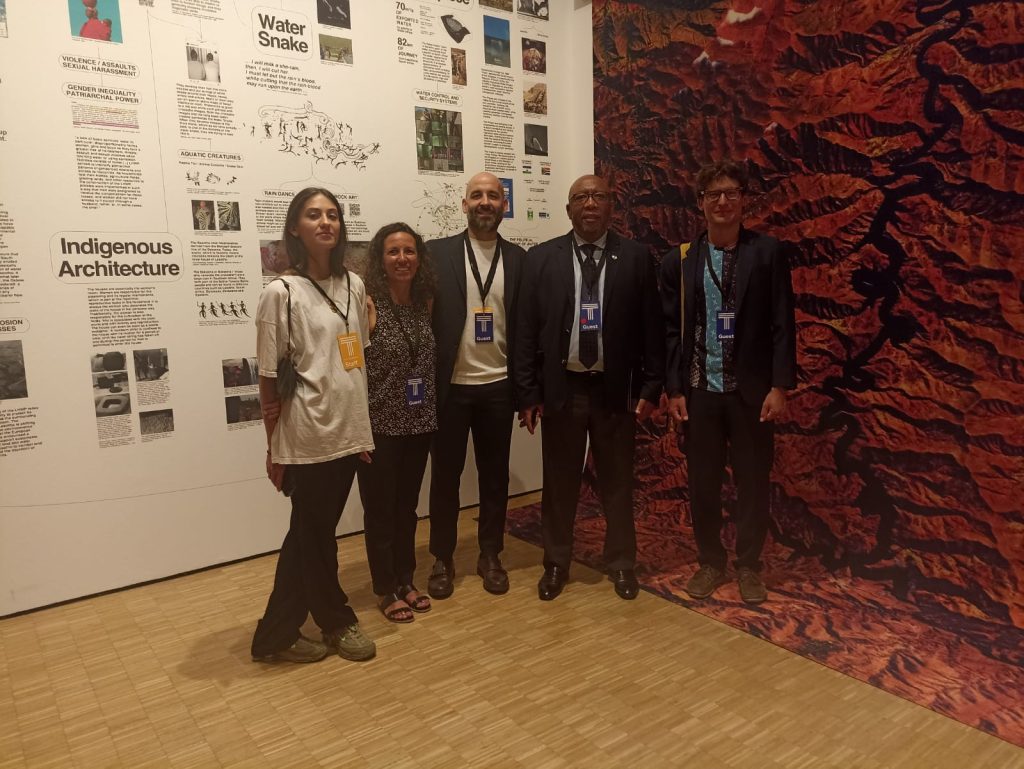
The Lesotho Pavillion was visited by His Excellency Ambassador of Lesotho in Italy Thesele John Maseribane along with the Founder of rise, CEO of AOUMM, and Lead Researcher Giada Zuan (Pictured). 

Watch this short clip of the pavilion

Credits:

Lead researcher: Giada Zuan

Curators: Luca Astorri and Matteo Poli, , AOUMM, Daniela Gusman, rise

Team: Retsepile Rammoko, Valentina Riverso, Pedro Clarke; A+ Architecture , James Melson

READ MORE
rise News

 Everyday is World Youth Skills day at rise

Everyday is World Youth Skills day at rise

The United Nations declared July 15th World Youth Skills Day to be the day we all celebrate the importance of youth training and skills development. This day is dedicated to providing young people with opportunities to improve their skills by participating in programs designed to develop their entrepreneurial and work skills.

Skills development is at the core of our work at rise which is why the in loco fellowship program was created and launched 5 years ago. It is a “learning-by-doing” program where local graduates from the Design, Architecture, and Built Environment fields are awarded practical hands-on work experience while equipped with the skills to set up and run successful enterprises. We have had 3 successful cohorts since 2018 and are proud that 93% of our in loco fellows who graduate, called Pioneers, are now in self or full-time employment. 

We are thrilled to announce that this year, we are piloting new ways of achieving our mission of youth skills development by partnering with Lesotho’s Ministry of Finance and their apprenticeship program for unemployed youth from which we are selecting the fellows. 

Furthermore, we will be building a primary school kitchen using sandbag technology – they are fire-resistant, have good thermal efficiency qualities, and will lead to a possible affordable housing solution. 

Developing the skills of the youth is at the heart of rise, every day is World Youth Skills day with us. Join our community of supporters and Subscribe to be a donor here.

Photo by Rets’epile Rammoko

READ MORE
rise News

Lesotho wins support from Irish Government for Climate Change action

Ireland’s Minister for Overseas Development Aid and Diaspora, Colm Brophy, T.D., announced on July 1st, the Irish Aid funding to strengthen the ability of developing countries to predict and prepare for extreme weather events. It is facilitated in partnership with Met Éireann, to enable the work of the Systematic Observations Financing Facility (SOFF), established by the World Meteorological Organization and the UN. The Facility is meant to work with developing countries, providing funding and technical expertise to help them to address weather and climate information gaps.

Minister Brophy in his announcement stated that: “We are living through a time when climate change impacts are already devastating peoples’ lives and livelihoods. Initiatives such as the SOFF are crucial to building the capability of developing countries to predict and tackle extreme weather events such as those we are witnessing today. I am pleased to announce Irish support for this innovative programme, which builds on our strong track record in supporting climate adaptation in the most vulnerable countries” 

rise International in partnership with Irish charity,  Action Ireland Trust, were awarded funding towards their proposed project along with only 3 other grantees. The research project, which will be driven jointly by Action Ireland Trust and rise will examine how Lesotho can move away from imported building materials that have high carbon levels towards local, indigenous construction materials, thereby reducing the overall carbon footprint of Lesotho. The project seeks to address Lesotho’s gaps in the research of sustainable locally sourced construction materials, enabling the construction industry’s transition to becoming more environmentally responsible, by replacing imported environmentally harmful construction materials with locally-made and recycled green products. The project will also examine how to build upon local capacity and to develop entrepreneurial skills in Lesotho, in addition to exploring how building regulations and standards in Lesotho can be enhanced. Additionally, this project aims to support policy makers in reviewing and revising outdated construction regulations and standards, regarding the use of sustainable material and construction techniques for energy efficiency in buildings.

Daniela Gusman, Founder of rise stated: “We are so thrilled with this news, as thanks to this funding from Irish Aid and our partnership with Action Ireland Trust, we are able to research indigenous building techniques and materials, as well as grow local entrepreneurship skills in Basotho traditional building techniques, so as to build Lesotho’s local economy. As well as the economic advantages, this project will also help combat climate change; not just in terms of the usage of more environmentally friendly building materials that have a lower carbon footprint, but also in terms of the construction of buildings that are more thermally efficient. This is especially important in a mountainous country like Lesotho, where the climate is extreme, with bitterly cold winters that get as cold as -15°C and hot Summers when temperatures hover around 28°C.”
Fran Whelan, CEO, Action Ireland Trust said: “We are absolutely delighted to be selected as one of four grant winners by Irish Aid under the ‘Enterprise Fund for International Climate Action’. The project we are planning in Lesotho will create great opportunities in the development of more sustainable construction methods and materials. This research will be very beneficial to not only Lesotho, but also for other countries in Africa. It is a great honor to be the recipient of this grant at a time for urgent change and action around climate change and we look forward to continuing our work with Irish Aid and  rise International”.

READ MORE
rise News

rise’s work on Water, Sanitation & Hygiene (WASH)

rise‘s work on Water, Sanitation & Hygiene (WASH)

“Growing up in a clean and safe environment is every child’s right. Access to clean water, basic toilets, and good hygiene practices not only keeps children thriving, but also gives them a healthier start in life.” – Unicef

Lack of sanitation can be a barrier to individual prosperity and sustainable development. When children, especially girls, cannot access private and decent sanitation facilities in their schools and learning environments, the right to education is threatened. Poor sanitation puts children at risk of childhood diseases and malnutrition that can impact their overall development, learning and, later in life, economic opportunities. According to UNICEF, as of 2015, nearly one in ten children in Lesotho dies before reaching their fifth birthday. Too many of these deaths are due to the effects of unclean water and inadequate sanitation and hygiene, which increases a child’s vulnerability to disease and infection. Most of Lesotho’s ten districts report a high percentage of households using unprotected water sources, and about 20% still need access to improved sanitation facilities. That is why we have partnered with various organizations and entities to address this urgent challenge. 

What rise has achieved so far…

Toilets for a Primary School in Lithabaneng village

Watch video of the launch

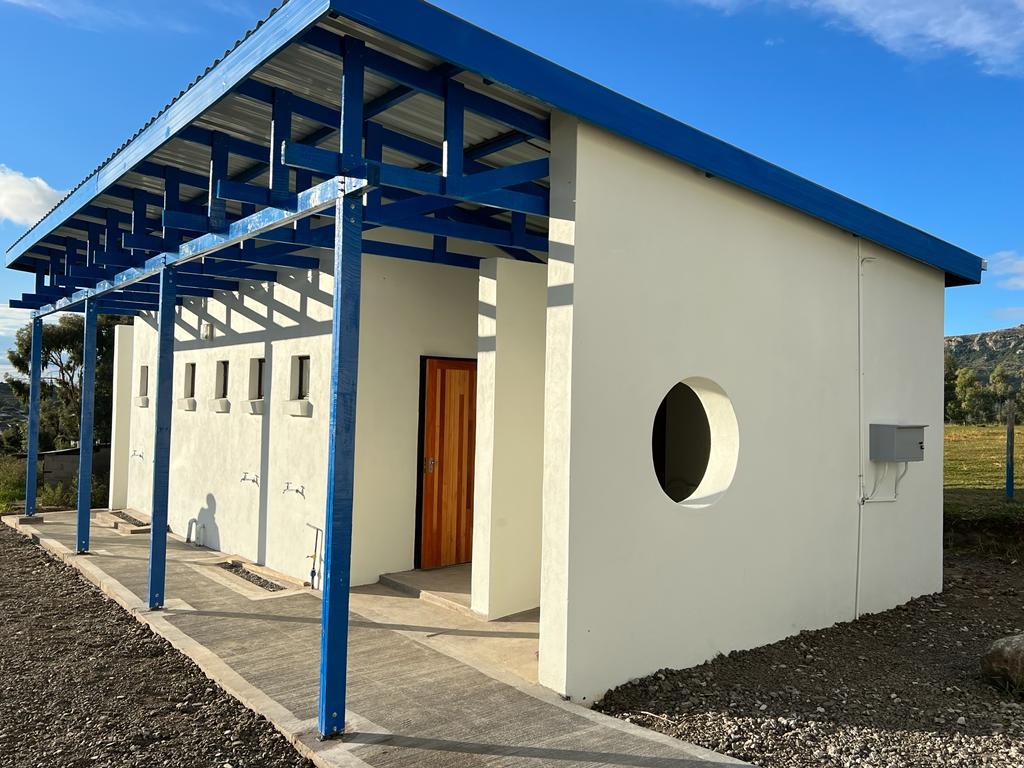
Ever since the existence of Seboka Primary School, over 600 learners yearly have endured poor sanitation due to a lack of healthy sanitation facilities and no running water anywhere on the school site. We are so proud of our in loco pioneers xyz collaborative for building new toilets for the learners and staff and Mokhethea Civils and Contactors for constructing the percolation system, as part of our 5 Hub Schools project thanks to the support of a not for profit organization called Action Ireland Trust (AIT) in collaboration with the Ministry of Education and Training of Lesotho.

Boreholes and rainwater harvesting for 5 Hub schools

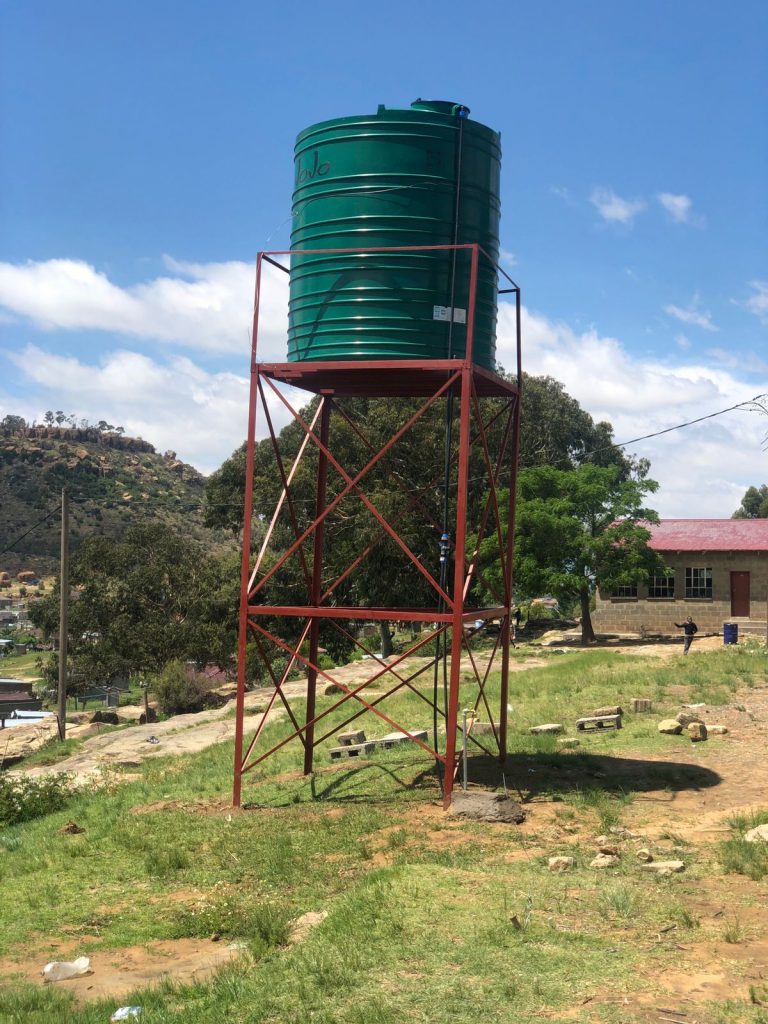
Our in loco Pioneers PRO Construction successfully constructed rainwater harvesting systems in 2 schools with the help of sponsorship from the British High Commission in Lesotho and AIT. The boreholes, together with the rainwater harvesting systems now provide a regular flow of clean running water to the schools, facilitating general good hygiene and frequent handwashing amongst learners and the schools’ community – an essential healthy habit in these Covid-19 ridden times. This access to running water also makes food preparation in the schools much easier, provides much needed water in the food gardens constructed by Green Yards, another in loco Pioneer company while promoting food security and food hygiene, and further supplies constant water circulation in the newly built toilets. 

Why food gardens? You may ask. School lunch is the only meal that many of the learners in these schools get each day and therefore being able to grow their own nutritious food is vital for the learners’ feeding program and overall health & nutrition hence the construction of these food gardens. The schools are also able to sell excess produce to raise funds towards their operational costs.

No more outdoor cooking for another school in Lithabaneng village

The food preparation of over 600 learners was done in the outdoor area of Leqele Primary School. It is so amazing to have our in loco Pioneers Presto Construction Company build a new kitchen for this school also with clean water supply. It is integral that food be prepared, handled and served where there is access to running water.

Hand Wash stations for towns, hospitals, schools and villages in Lesotho during 1st wave of Covid-19

Watch more on this project

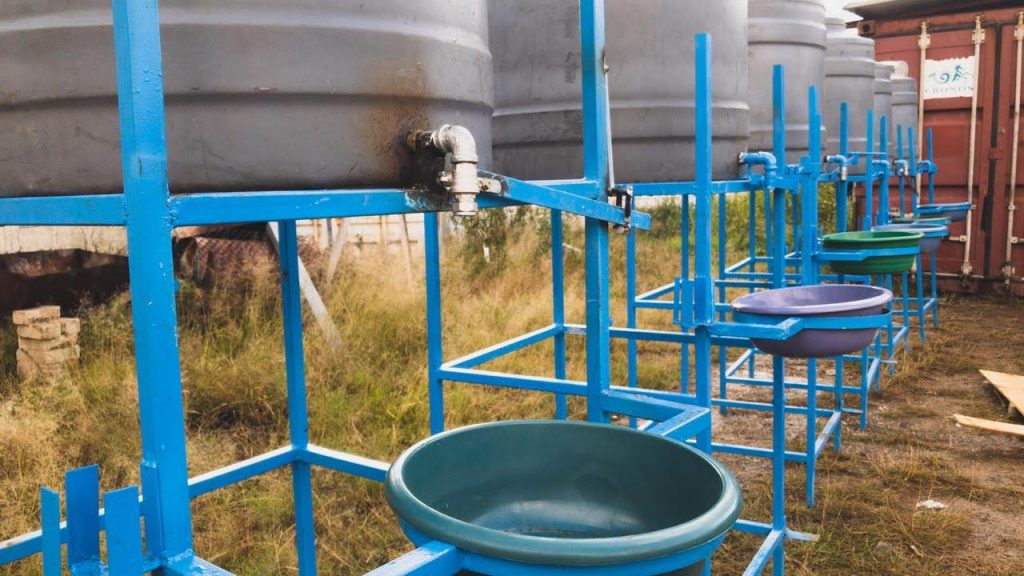
To curb the spread of the Coronavirus, we built handwash stations in all 5 schools in the Lithabaneng area which promoted hygiene and the safe handling of food. On the same mission, xyz collaborative built 105 more hand wash stations which were installed in all 10 districts of Lesotho in various health clinics, hospitals, child care facilities as well as busy town areas in partnership with UNDP, UNICEF and the Ministry of Health.. We built 10 more for a semi-rural community called Motimposo to lessen the number of communities that did not have access to running water and were thus at the highest risk of contracting the virus.

Safely managed water, sanitation, and hygiene (WASH) services are an essential part of preventing and protecting human health especially during infectious disease outbreaks, including the current Covid-19 pandemic. Our mission is to ensure that young people exist in environments that allow them to develop so they can one day join the fight against poverty in Lesotho and the Subsaharan African region at large.

We call on you to help make a difference with us! 

READ MORE
News

rise answers the SDGs call

Lesotho’s Sustainable Development Goals (SDG) index rank is at 135 out of 165, with little progress made in SDGs 1 (No Poverty) and 2 (Zero Hunger) as they relate to the ultimate goal of Lesotho’s National Strategic Development Plan (NSDP) II; “to create private sector-led jobs and eradicate extreme poverty,” according to the Lesotho National Voluntary Review of 2019. The goal of the NSDP is to transform Lesotho from a consumer-based to a producer-based economy. This goal links greatly to part of rise’s goal of transforming Basotho youth from job-seekers to job-creators.

rise International is a non-profit social enterprise organization that is registered in Lesotho and the USA and has been spearheading projects that bring about change and innovation to the built environment since 2016. This is being achieved through the in loco fellowship program where graduates in architecture, design and construction are recruited and provided with business training skills and connected with mentors, clients, and possible funding sources, while at the same time taken through an intense 10-month hands-on learning by doing process in building infrastructures that are much needed for vulnerable community development.

Goal 1: Creating resilience against poverty

rise plays a huge role in the realization of the SDGs, such as creating resilience against poverty. On average, since inception the in loco alumni’s monthly income has increased by 44%. 19% of Fellows in the program got full-time employment, while 74% started their own businesses in order to sustain their livelihoods and to create employment for others. On average, 1 Pioneer employs 5 other people in the construction industry.

Goal 4: Quality education and the Learning by Doing methodology

The Learning by Doing methodology, which rise has been using since the organization’s inception, has allowed the fellows to interact with their environment in order to adapt and learn. The methodology gives hands-on experience by allowing the fellows to get immediate feedback by learning from their mistakes, thereby shortening the learning span. 

Goal 5 and Goal 8: Relationships inspiring social, economic and gender equality

The organization recruits fellows from all socio-economic and educational backgrounds and from different trades, treating all equally, and providing a space for all to develop and understand the importance of an integrated education and construction system. rise addresses the problem of gender discrimination in the built environment by promoting inclusive decision making, with both genders equally represented in both labor and planning, and rotating the leadership roles of fellows in the in loco fellowship program.

Goal 6: Water and sanitation in the fight against Covid-19

Portable running water is a vital resource now more than ever in the midst of the global pandemic and in the bid to address the Covid-19 situation in Lesotho, rise has built more than 150 mobile hand wash stations for hospitals, health centers, busy taxi areas, schools and vulnerable communities in Lesotho. This brief documentary shows how this has helped address the pandemic while also creating jobs in the country.

Goal 7: Affordable and Clean energy as health-saving technology

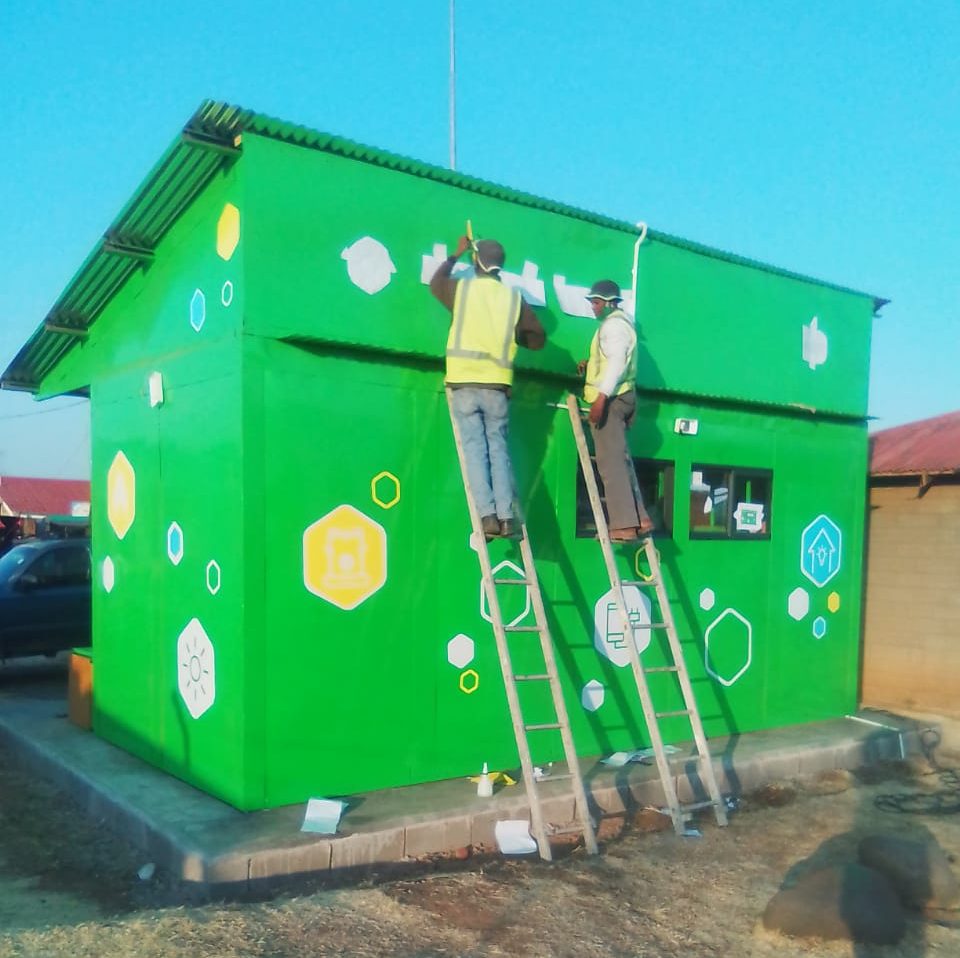
The number of people who die every year from cooking smoke inhalation is currently at 4 million, so rise partnered with African Clean Energy (ACE), a company that produces environmentally friendly stoves that burn materials much more efficiently with a lot less smoke, to design and construct mobile shops for the distribution of the stoves to remote villages in Lesotho.

Goal 9: Innovation and Infrastructure for eradication of unemployment

rise promotes innovative and creative designs in every infrastructure it builds to promote sustainability and resilience by incorporating recycled materials into the projects. rise also equips graduates in the built environment with entrepreneurship skills as a measure of eradicating unemployment and contributing to the economic development of the country. Twenty businesses have been created thus far by the rise in loco fellowship alumni in the 3 years since its inception, who in turn continue to hire other youth in their businesses. rise collaborates with the public to jointly implement community-driven development through Participatory Design Workshops. These workshops are carried out in order to share the importance of inclusive design with the partner organizations, stakeholders and community members.

The Learning by Doing methodology, which rise has been using since the organization’s inception, has allowed the fellows to interact with their environment in order to adapt and learn. The methodology gives hands-on experience by allowing the fellows to get immediate feedback by learning from their mistakes, thereby shortening the learning span. 

In light of the most recent accessible data and patterns, practically all nations will find it hard to reach the SDG goals by 2030. The need has never been more urgent for developing countries to ensure effective programs are put in place to meet the SDGs so that no one is left behind. 

The world needs more consistent implementation from leadership, long-term economical practices, strong institutions, education, innovation, partnerships, and services that are sustainable for development.

READ MORE
News

Young entrepreneurs rise to the Covid-19 challenge in Lesotho

Since the beginning of this year, countries around the world have been facing unbearable health and social emergencies due to the global Covid-19 pandemic. In the most vulnerable countries, millions of people do not have access to critical life-saving supplies and basic primary health facilities for hand sanitation. The Water and Sanitation policy of 2007 states that “all Basotho are entitled to have access to a sustainable supply of potable water and to the provision of basic sanitation services at an affordable cost.”

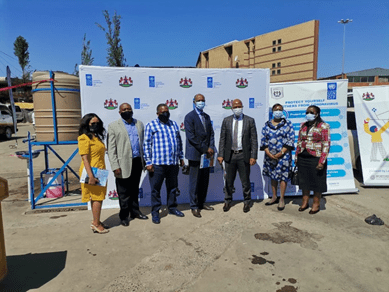
Standing by the policy rise was commissioned by the United Nations Development Programme to make 65 hand wash stations for the Ministry of Health and Maseru City Council to combat the COVID-19 pandemic in Lesotho.  The United Nations Development Programme (UNDP) had learnt about the excellent work that had been done by our in loco alumni in making and distributing hand-wash stations earlier in the year when an NGO called Sepheo had commissioned rise to make and install 10 emergency hand-wash stations in the Motimposo communities in Maseru, Lesotho.

Ten in loco alumni who started their own company called xyz collaborative constructed and distributed 65 hand wash stations. Fifteen for Maseru City Council for both taxi and bus stop areas and 50 for the Ministry of Health which would be installed in clinics and hospitals all over the country.

in loco alumni who have formed a company called xyz collaborative making the hand-wash structures

This project was completed in just 5 months and the UNDP hosted a hand over ceremony in Maseru, Lesotho to recognise and appreciate the work of rise, and to introduce the use of these hand wash stations to the community.

UNDP and rise team at handover ceremony

Subsequently, UNICEF Lesotho commissioned rise to build another 40 hand wash stations for health clinics and facilities in all 10 districts of Lesotho to some of the most remote and hard to reach areas of the Mountain Kingdom.

READ MORE
News

Happy National Mentoring Day!

The landscape of business today is constantly changing and increasing in complexity. Innovation is critical to success, and a combination of skills is the key. Having a mentor to help manoeuvre through the business landscape; someone who has more experience, who guides a less experienced person by building trust and modelling and inspiring positive behaviours. A mentor essentially helps their mentee be accountable for their vision, their goals and plans. An exceptional mentor can help a fledgling entrepreneur think through effective strategies, crunch numbers and create realistic business plans. However, mentorship is not only beneficial to the mentee but also to the mentor. The time spent pushing another person towards being the best possible version of themselves develops one’s leadership and management skills.

The need for mentorship in Lesotho

Lesotho is a low- income, land locked country in Africa where the rate of poverty stands at almost 50%. This calls for an urgent need for the youth to venture into entrepreneurship in order to survive. Yet most start-ups in Lesotho fail due to lack of access to business support services. There are no formal leadership development programs and there is an existing generational gap between experienced and less experienced people in workforces. Therefore, there is a need to ensure that professionals are equipped and future- ready. Krynauw Nel, an architect in South Africa, who virtually mentors a young entrepreneur in Lesotho, when asked about the potential impact of mentorship on Lesotho’s economy stated “the biggest issue for a small enclave like Lesotho is exposure to wider practices. We forget that not everyone has access to the same exposure we have even in South Africa if not to the world at large.  Widening the horizons for locals and increasing their networks can make a massive impact. I find a total hunger for that. When that exposure is supported by a compassionate mentor, it can make a huge difference to at least one individual.” Tshepang Thabane, Krynauw’s mentee and graduate from in loco 2018 cohort  also stated that “Lesotho needs to invest heavily in mentorship programs and platforms in order to tackle the high unemployment rate as they help turn lofty goals into tangible goals.”

In this day and age where the 4th industrial revolution has almost taken over, mentorship programs have proven to be game changers and what’s more, they can be done remotely. This is all the more important as we navigate through a global pandemic. 

rise mentorship program

In 2018, we launched a ground breaking fellowship program, a practical ‘learning by doing’ live design, build and entrepreneurship training program called in loco. The fellows receive business and entrepreneurial training as well as an introduction to professional networks, access to market and employment opportunities. in loco fellows practice the principles of entrepreneurship and social impact while receiving hands-on training in community designed infrastructure projects. At the end of each cohort the fellows are given the opportunity to select a mentor from everyone they would have interacted with during the fellowship, we then facilitate a mentor-mentee relationship benefiting both parties.

Celebrate National Mentoring Day with us

We are working on designing and building Lesotho’s first Enterprise Hub for start- ups in the country’s capital of Maseru as part of our rise in the city 2020 campaign. This Hub is a key component to building Lesotho’s entrepreneurship ecosystem to fight against poverty in the country. The wheels of our campaign are the creation and facilitation of a mentorship program that will award start-up architects in Lesotho the platform to be mentored by successful international architects who continue to sign up to our campaign. Watch this brief 2 minute video that explains how it works and help spread the word!

READ MORE