c design Archives - Page 2 of 6 - rise International
News

Building Sustainably: rise Empowers Local Masons with ICEB Training

As part of the ongoing “Build Smart, Build Local” initiative, rise International recently hosted a capacity-building workshop at Durahm Link, Maseru, aimed at equipping local masons with sustainable construction methodologies. The workshop provided hands-on training in various brick production techniques, including conventional concrete, fire burning, and extracted rock approaches. However, the primary focus was on Interlocking Compressed Earth Blocks (ICEB), an eco-friendly, cost-effective, and durable construction innovation gaining traction in the industry.

Enhancing Business Acumen in Construction

Opening the workshop, Business Trainer ‘Maneo Seekane engaged attendees in an interactive discussion on the fundamental principles of running a construction business. She emphasized key areas such as cost and price determination, necessary equipment, and production capabilities that businesses can benchmark. This session encouraged knowledge-sharing, with masons exchanging insights on their current practices, challenges, and innovative solutions.

Proprietor Kefuoe Lefera described the workshop as invaluable, stating, “These sessions are essential for sharing experiences among local entrepreneurs, building confidence in business, and fostering networking opportunities.” She highlighted ICEB’s affordability, noting that “one does not need significant capital to start production.”

Technical Insights into ICEB Production

Rise’s Construction and Projects Manager, Thato Nkikana, led the theoretical component of the workshop, detailing the composition and production of ICEBs. She stressed the importance of selecting the right materials—particularly ensuring a proper ratio of rough sand, subsoil, and mineral content. “We need at least 50% sand and 30% to 40% clay to achieve the ideal composition,” Nkikana explained, adding that sand testing can be conducted using simple household tools.

For ‘Masefabatho Sula, a representative from the Ministry of Gender Equality, Youth, and Social Development, this was her second time attending a rise ICEB workshop. She noted its instrumental role in introducing different brick-making methods. “This machinery is evidently more user-friendly and cost-effective. These workshops are crucial for knowledge-sharing and business growth,” she remarked.

Hands-On Demonstration and Practical Training

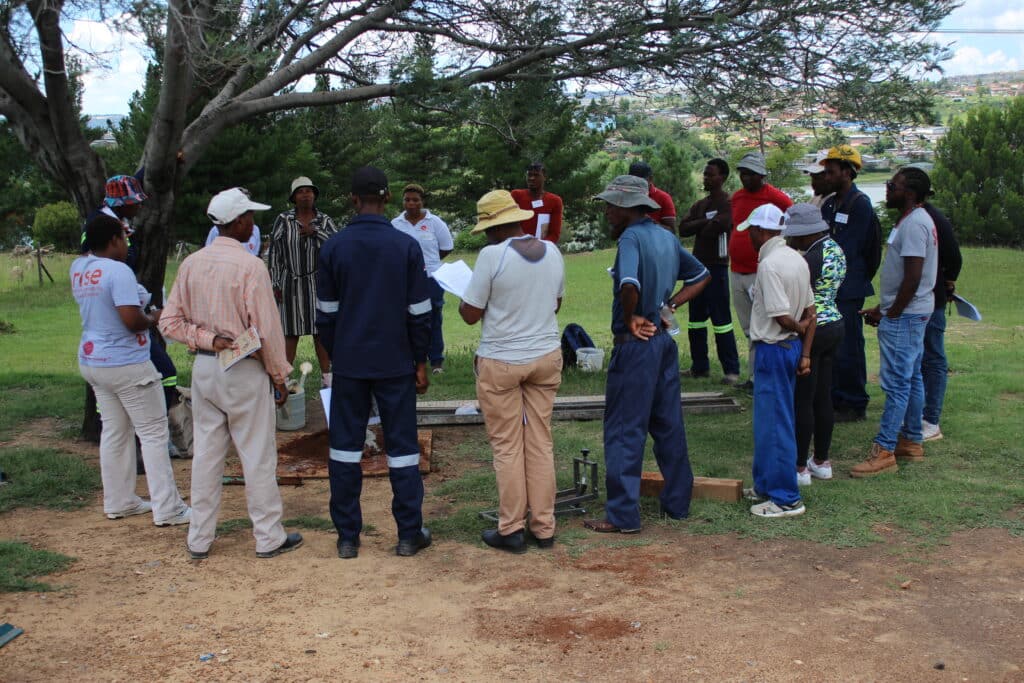
The workshop transitioned into a live demonstration led by rise International’s Construction Supervisor, Ramarou Tsoho, and Construction Coordinator, Tumelo Sethunsa. Both experts guided participants through the mixing process and operational techniques of ICEB machinery. Tsoho demonstrated how to produce full and half blocks, emphasizing the importance of adhering to a guidebook for beginners while allowing for micro-adjustments as experience grows. “Following the correct process ensures consistency and quality in production,” he advised.

Attendees were given the opportunity to operate the machinery, providing them with firsthand experience. Local businessman Makhetha Khoabane acknowledged the significance of ICEB technology in expanding his brick-making business. Similarly, Phoofolo Khoabane expressed enthusiasm about acquiring ICEB machinery, citing its lower production costs compared to conventional methods. “Owning this equipment would allow me to scale my enterprise efficiently,” he stated.
Rise International’s Commitment to Sustainable Development

Rise International continues to champion sustainable development through its various projects aligned with the Sustainable Development Goals (SDGs). Notable initiatives include the Stadium of Life and the 5 Hub Schools project, both of which incorporate eco-friendly materials such as timber, sandbags, and ICEBs. One of the organization’s significant achievements is the construction of the Motimposo Primary School Kitchen Pavilion using ICEBs—a fully operational facility that has greatly improved meal preparation for students.

Through initiatives like the ICEB workshop, rise International remains dedicated to fostering entrepreneurship, promoting innovative building technologies, and empowering local communities in Lesotho. As the adoption of sustainable construction practices grows, such training programs are essential in driving economic and social development across the region.

READ MORE
News

Empowering Communities Through Innovation: rise International partners with SolidarMed Lesotho’s Youth Center Project

rise International is proud to announce an impactful new partnership with SolidarMed Lesotho, marking the beginning of a transformative project in Mokhotlong District. The initiative focuses on the design and construction of a youth center and health and community facility in the highlands, aimed at providing much-needed support and opportunities for young people in the region.
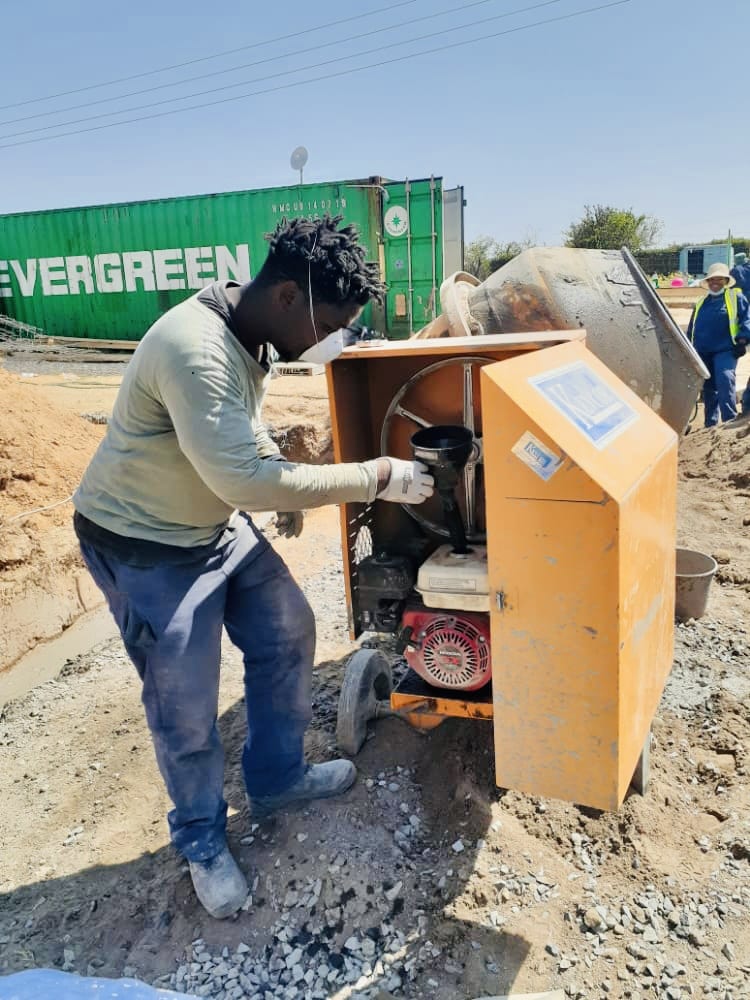
The project, currently in its construction phase, is expected to be completed by early-March 2025. It is a remarkable example of sustainable architecture, as it involves the innovative conversion of shipping containers into a fully functional and dynamic youth center. This approach not only reduces construction costs and environmental impact but also ensures durability and adaptability to the community’s needs.

At the heart of this initiative is Bokang Tjakotja, a graduate of rise International’s in loco fellowship program and a 2019 Pioneer. Bokang, through his company BEEK Projects, is leading the execution of this project, showcasing the strength of rise International’s incubation program in empowering young professionals to drive social change. His work highlights the potential of sustainable construction methodologies to create lasting solutions for underserved communities.

The youth center and health and community facility will serve as a safe and engaging space for young people, offering various programs and resources to support their personal and professional growth. It will also provide essential health services and act as a hub for community-driven initiatives.

This collaboration between rise International and SolidarMed Lesotho is a testament to the power of partnerships in addressing social challenges through innovative and sustainable solutions. As the project progresses, we look forward to sharing more updates and witnessing the positive impact it will have on the Mokhotlong community.

READ MORE
rise News

Lesotho exhibits at Triennale Milan, Italy for the first time

More exposure internationally for the Mountain Kingdom as Lesotho is awarded a pavilion at the prestigious Triennale Museum in Milan, Italy, one of the world’s leading cultural institutions. This year Triennale Milano takes up and continues the important reflections that emerged from the last edition; Broken Nature, ensuring critical continuity with its proactive approach. The exhibition is conceived as a space for open, wide-ranging debates and exchanges of views, where different experiences, cultures, and perspectives can converge. The title of this 23rd International Exhibition is “Unknown Unknowns”, it offers itself to visitors as a rediscovery of mysteries.

Did you know that we only know a paltry 5% of the universe? Lesotho, a landlocked country in South Africa, is part of that 95% of the world still unknown to many. The research for the pavilion was conducted by Giada Zuan, on behalf of rise and the Milan-based architecture AOUMM, under the leadership of Luca Astorri, rise‘s lead architect and co-Founder of AUOMM. The research found that the Kingdom of the Sky through water forms an essential element of the country’s identity. “Lesotho Water Realms: a visual research on geopolitics, society, and rituals” offers the visitors three-dimensional scales between landscape, human proximity, and spirituality, through an assemblage of visual fragments.

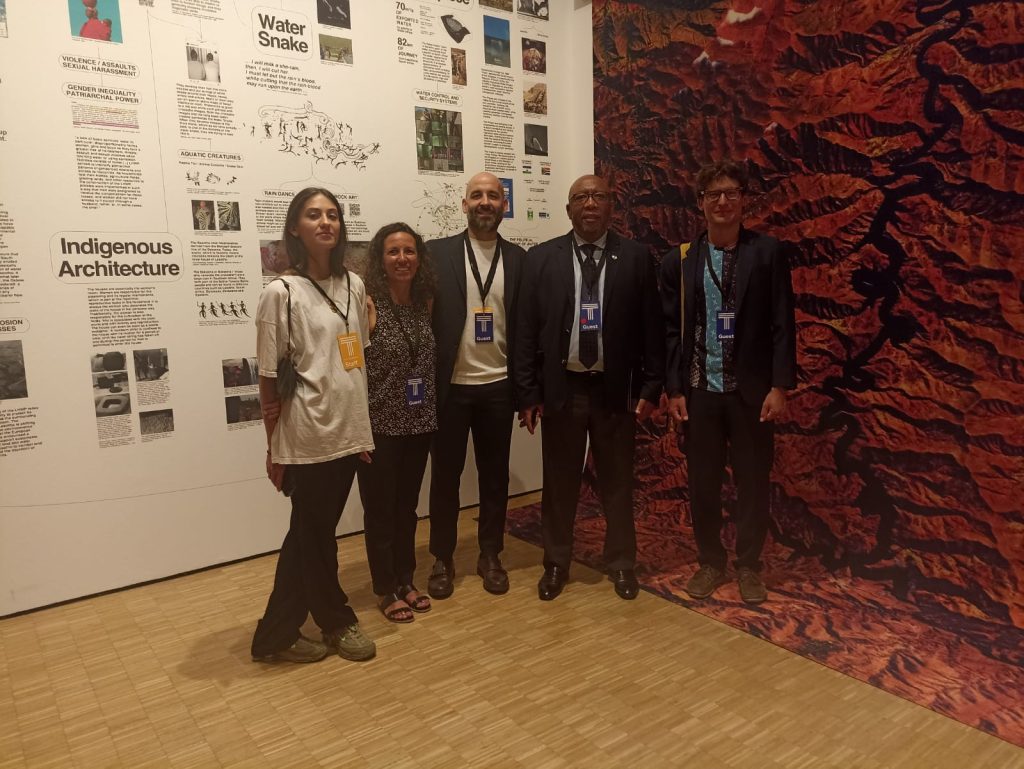
The Lesotho Pavillion was visited by His Excellency Ambassador of Lesotho in Italy Thesele John Maseribane along with the Founder of rise, CEO of AOUMM, and Lead Researcher Giada Zuan (Pictured). 

Watch this short clip of the pavilion

Credits:

Lead researcher: Giada Zuan

Curators: Luca Astorri and Matteo Poli, , AOUMM, Daniela Gusman, rise

Team: Retsepile Rammoko, Valentina Riverso, Pedro Clarke; A+ Architecture , James Melson

READ MORE
Case Studies

An inclusive office for the Lesotho National Federation of Organizations of the Disabled

Background

The Lesotho National Federation of Organizations of the Disabled (LNFOD) is an umbrella body of organizations dealing with disability in Lesotho. LNFOD advocates for, promotes, and defends the rights of people with disabilities and their families through provision of training, material and emotional support, and by representing their needs to government, development partners and the wider community. 

The Problem

The building in which LNFOD used as their office was not accessible and inclusive of people living with disabilities. There were no ramps, sliding doors, or rails in the toilets. There were no pavements on the outside of the building making it difficult for people who use wheelchairs to access the building. There were also no guiding blocks to assist blind people and signage for general guidance and warnings. The building had poor ventilation and lacked thermal insulation. In essence, the office did not allow for the organization to employ people with disabilities nor fully carry out services for people with disabilities because of  lack of accessibility.

The Solution

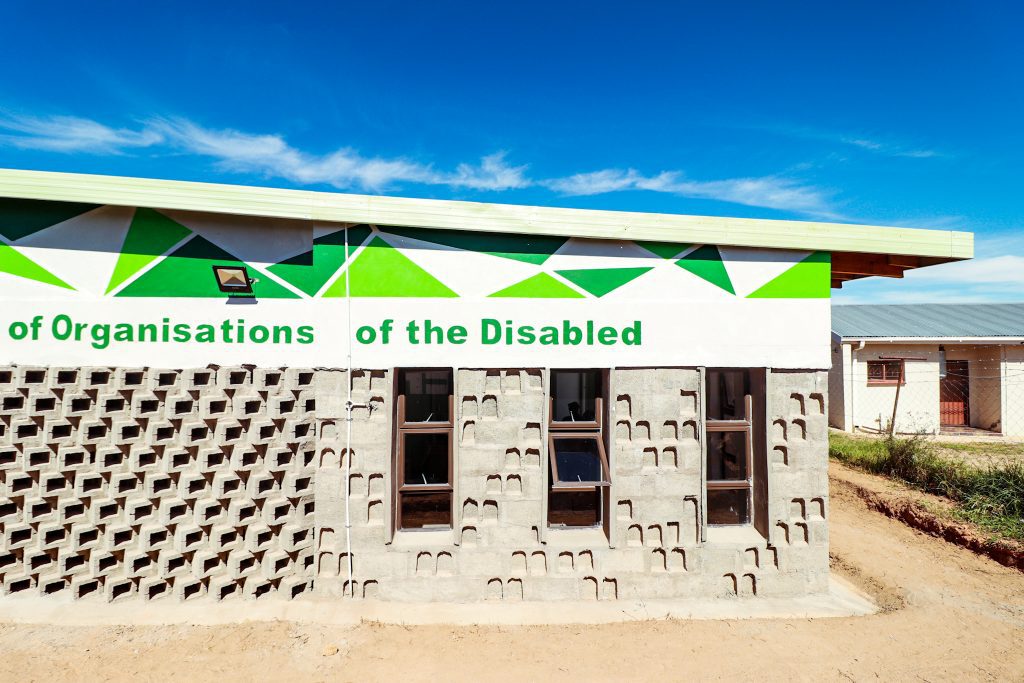
rise built a new all inclusive office in Naleli, Maseru the capital city of Lesotho. This building is the first one of its kind in the country catering completely for people with different disabilities. It has a ramp for easy access for people with physical disabilities, the doors are wide to allow  wheelchair access, there are rails in the bathroom, the walls are made of textured tiles for guidance for people with blindness or eye sight impairment. The building has insulation in the ceiling as well as a cavity wall for insulation which makes it warm in winter and cool in summer. It is also designed such that there is a separate entrance for the boardroom and toilets allowing LNFOD to rent out the boardroom to external entities as an income generating source because social enterprise is the heart of rise.

Methodology

With the support of funds from Sedlak GmbH and Brotfür die Welt, the rise in loco cohort of 2020 designed and constructed this building. in loco is rise’s learning by doing program where 

Young Basotho graduates from the design, architecture and built environment fields come together as a fellowship and learn practical skills. This way, graduates gained practical skills while the LNFOD community gained an inclusive office space.

Challenges

The site available for the building was very small, as was the budget for this project. Moreover this building was constructed during the Covid-19 pandemic, movement restrictions due to the pandemic restricted a lot of activities and decreased morale on site. People on site had to work with each other but still maintain Covid-19 protocol which was new and uncomfortable. Construction materials prices kept increasing due to high transport costs and restricted movements which further challenged an already budget-restricted project. Hardware stores would often run out of stock, which challenged progress on site. The International partners were not able to visit the project.

The Impact

LNFOD is a national umbrella body of organizations of persons with disabilities and therefore works for an estimated 56 000 people in Lesotho according to census (2016). LNFOD now employs more than 10 people with different disabilities and can provide even more services because of their fully inclusive new headquarters office building.

Testimonials

Nkhasi Sefuthi – Director of LNFOD

We now have accessible toilets and ramps that make the office accessible for all people with disabilities including those using wheelchairs. We are now able to conduct our work efficiently even without the disturbances we used to have in our previous working space.

SEDLAK GmbH and Diakonie/Brot für die Welt – Sponsors of the project

We are proud to have supported the first accessible and inclusive office building in Lesotho. The construction of the LNFOD offices in Naleli is a milestone for disability organizations in Lesotho and will hopefully serve as a role model for other accessible buildings throughout the country.” 

READ MORE
rise News

rise’s work on Water, Sanitation & Hygiene (WASH)

rise‘s work on Water, Sanitation & Hygiene (WASH)

“Growing up in a clean and safe environment is every child’s right. Access to clean water, basic toilets, and good hygiene practices not only keeps children thriving, but also gives them a healthier start in life.” – Unicef

Lack of sanitation can be a barrier to individual prosperity and sustainable development. When children, especially girls, cannot access private and decent sanitation facilities in their schools and learning environments, the right to education is threatened. Poor sanitation puts children at risk of childhood diseases and malnutrition that can impact their overall development, learning and, later in life, economic opportunities. According to UNICEF, as of 2015, nearly one in ten children in Lesotho dies before reaching their fifth birthday. Too many of these deaths are due to the effects of unclean water and inadequate sanitation and hygiene, which increases a child’s vulnerability to disease and infection. Most of Lesotho’s ten districts report a high percentage of households using unprotected water sources, and about 20% still need access to improved sanitation facilities. That is why we have partnered with various organizations and entities to address this urgent challenge. 

What rise has achieved so far…

Toilets for a Primary School in Lithabaneng village

Watch video of the launch

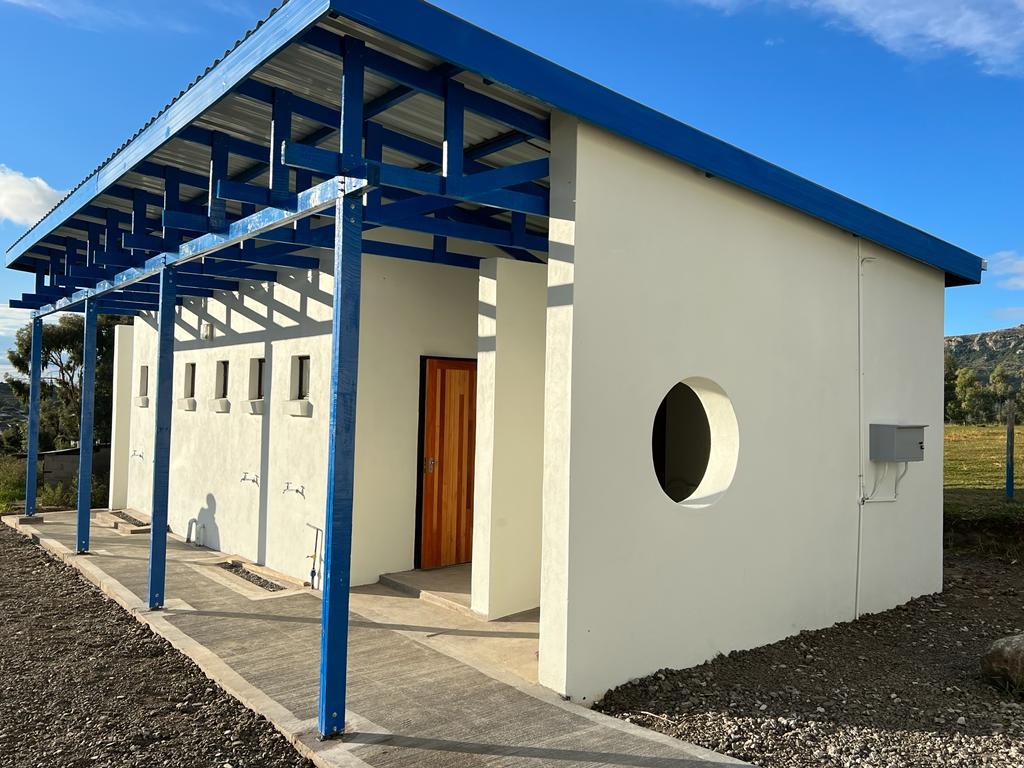
Ever since the existence of Seboka Primary School, over 600 learners yearly have endured poor sanitation due to a lack of healthy sanitation facilities and no running water anywhere on the school site. We are so proud of our in loco pioneers xyz collaborative for building new toilets for the learners and staff and Mokhethea Civils and Contactors for constructing the percolation system, as part of our 5 Hub Schools project thanks to the support of a not for profit organization called Action Ireland Trust (AIT) in collaboration with the Ministry of Education and Training of Lesotho.

Boreholes and rainwater harvesting for 5 Hub schools

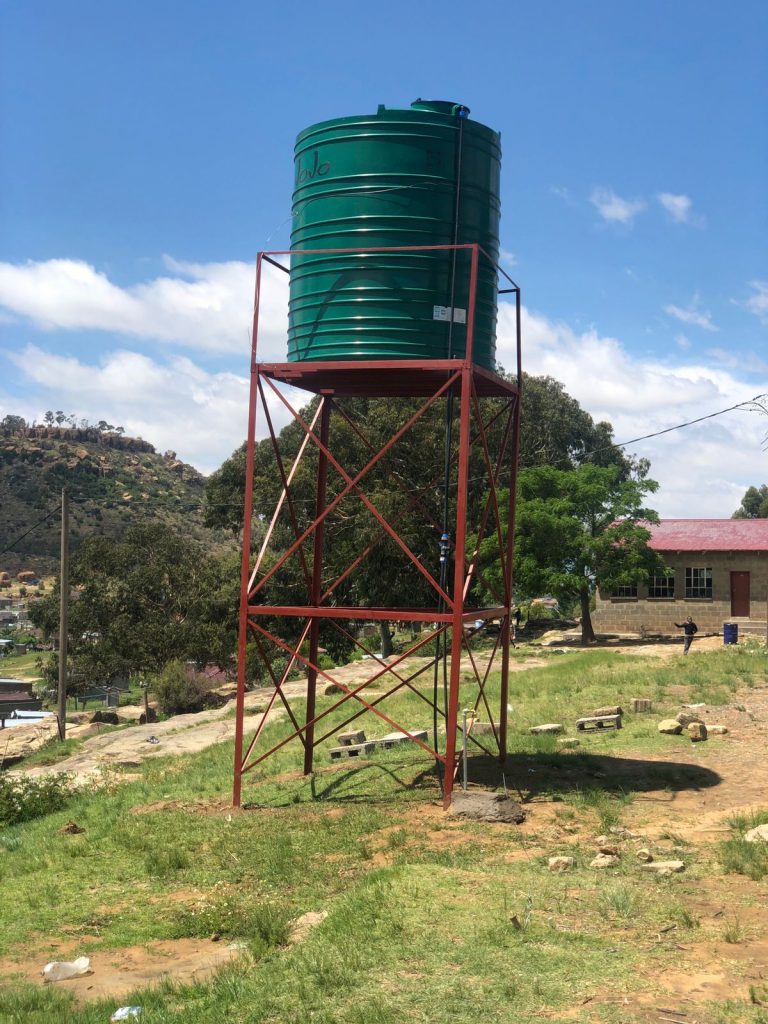
Our in loco Pioneers PRO Construction successfully constructed rainwater harvesting systems in 2 schools with the help of sponsorship from the British High Commission in Lesotho and AIT. The boreholes, together with the rainwater harvesting systems now provide a regular flow of clean running water to the schools, facilitating general good hygiene and frequent handwashing amongst learners and the schools’ community – an essential healthy habit in these Covid-19 ridden times. This access to running water also makes food preparation in the schools much easier, provides much needed water in the food gardens constructed by Green Yards, another in loco Pioneer company while promoting food security and food hygiene, and further supplies constant water circulation in the newly built toilets. 

Why food gardens? You may ask. School lunch is the only meal that many of the learners in these schools get each day and therefore being able to grow their own nutritious food is vital for the learners’ feeding program and overall health & nutrition hence the construction of these food gardens. The schools are also able to sell excess produce to raise funds towards their operational costs.

No more outdoor cooking for another school in Lithabaneng village

The food preparation of over 600 learners was done in the outdoor area of Leqele Primary School. It is so amazing to have our in loco Pioneers Presto Construction Company build a new kitchen for this school also with clean water supply. It is integral that food be prepared, handled and served where there is access to running water.

Hand Wash stations for towns, hospitals, schools and villages in Lesotho during 1st wave of Covid-19

Watch more on this project

To curb the spread of the Coronavirus, we built handwash stations in all 5 schools in the Lithabaneng area which promoted hygiene and the safe handling of food. On the same mission, xyz collaborative built 105 more hand wash stations which were installed in all 10 districts of Lesotho in various health clinics, hospitals, child care facilities as well as busy town areas in partnership with UNDP, UNICEF and the Ministry of Health.. We built 10 more for a semi-rural community called Motimposo to lessen the number of communities that did not have access to running water and were thus at the highest risk of contracting the virus.

Safely managed water, sanitation, and hygiene (WASH) services are an essential part of preventing and protecting human health especially during infectious disease outbreaks, including the current Covid-19 pandemic. Our mission is to ensure that young people exist in environments that allow them to develop so they can one day join the fight against poverty in Lesotho and the Subsaharan African region at large.

We call on you to help make a difference with us! 

READ MORE
News

rise’s work on Universal Design 


rise’s work on Universal Design 

We often say that we are inclusive of all communities, or that we are restructuring society to be understanding and empathic of all, especially the marginalized. But to which extent? The lack of inclusivity in urban planning does not only separate us by weaknesses and strengths, but it deprives us of some of the joys of the environment like urban spaces, access to green spaces and even essential services like public transport.

It is pivotal for professionals in the built environment to prioritize the promotion and protection of the rights of people with disabilities particularly in urban design. With the hope that a potential exists for the improvement of buildings and thus facility access for people with disabilities in Lesotho, rise embarked on a project that would shed light on the existing issue of “lack of inclusivity in the urban design of Lesotho”. According to a study by the Lesotho National Federation of Organizations of the Disabled (LNFOD), people with disabilities are constantly faced with the challenge of not having equal access to facilities like banks and hotels and to services like public transportation as the built environment does not cater for wheelchair access and other limited mobility needs. 

The aims of this project were to facilitate an interface which promotes that everyone gains equal access to services and facilities; to educate the general community on the need for inclusivity in urban design; to increase awareness within the built environment sector on the need for inclusivity in design and construction and to engage policy makers in the discussion on inclusivity in the urban planning of Lesotho. Empathy is key here, the feeling of belonging rather than feeling excluded. Inclusivity of design is achievable. The goal of inclusive design is to offer the same access for all users, whether with special needs, disabilities or neither of these.

……Empathy is key here


What rise has achieved on universal design so far…  


A panel discussion with policy makers 

Made possible by the British High Commission

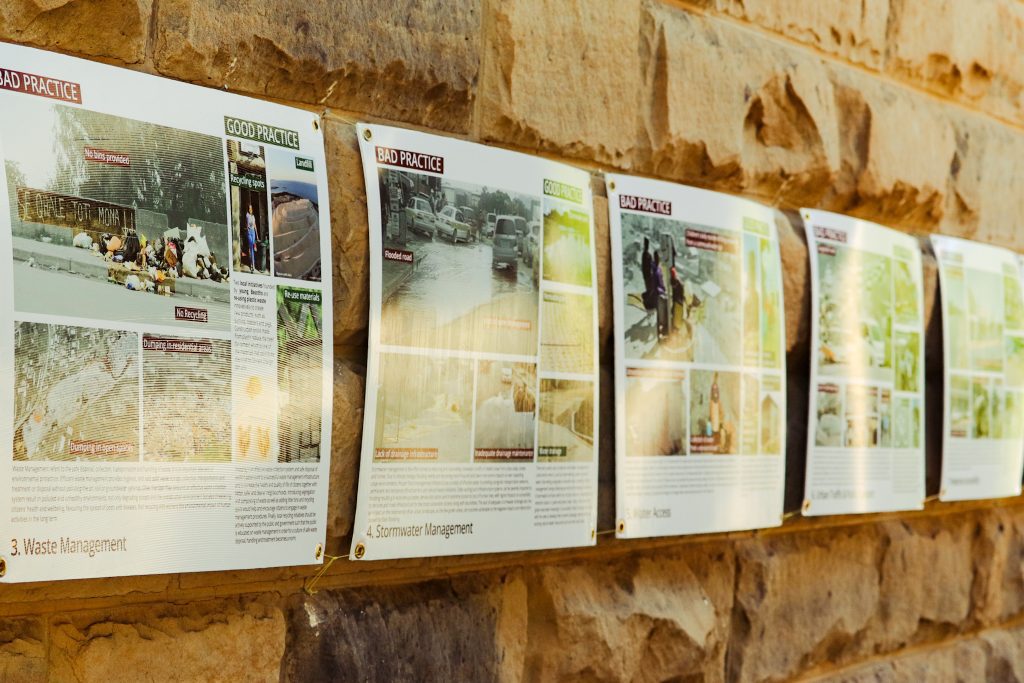
rise hosted a photo exhibit and panel discussion on inclusive design where policy makers engaged in a discussion around the need for reforms on Building Codes for inclusive design in both private and public sectors. A voting poll was set up for the general public to vote on the matters that mean the most to them regarding the infrastructure and accessibility of Maseru city. 

Key stakeholders working in the built environment made pledges on how they are going to commit to improving the existing situation of lack of inclusivity in the urban planning of Lesotho. WATCH VIDEO OF PANEL DISCUSSION

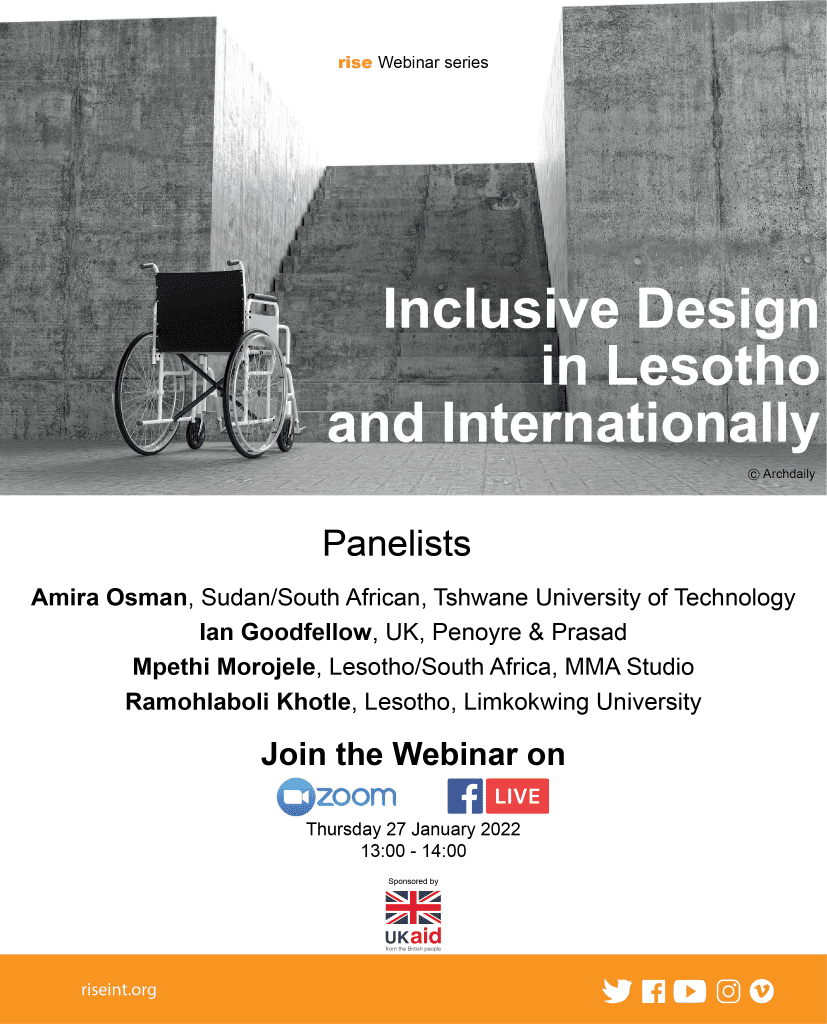
A webinar to create awareness on Inclusive design in Lesotho & internationally

WATCH VIDEO OF WEBINAR

After the panel discussion rise hosted a webinar on Inclusive design in Lesotho and internationally where professionals engaged, educated and spoke on the need for universal design globally and locally.

Radio shows to create awareness on the need for universal design


rise hosted 4 radio shows in partnership with SkyAlpha, aimed at increasing awareness of the need for inclusivity in the urban planning of Lesotho.

An inclusive building for people living with disabilities


Through in locorise built an all inclusive design building for the Lesotho National Federation of Organizations of the Disabled, allowing them to finally employ people with physical disabilities.


A panel discussion with key stakeholders for action planning


Universal Design for Maseru City Roundtable was hosted on March 2nd 2022 by the Ministry of Local Government and Chieftainship, facilitated by rise and funded by the British High Commission in Lesotho with a focal thematic area around Universal Design including :

1. Regulatory & Legislative Building Codes for Inclusive Design 

2. Design & Planning Practices 

3. Action planning and Next Steps needed 

Our work on Universal Design does not end here, watch out for more on our social media platforms, engage with us on this topic and lend your hand wherever you can because if you want to go fast you go alone. But if you want to go far you go together. Let’s go together!


READ MORE
in loco program

in loco fellows 2020 blog series #5: When times get tough I get tougher

My name is Poloko Phalinyane. I am a twenty seven year old Mosotho man born in Rothe, in the outskirts of Maseru. I studied Electrical Installation at the renowned institution of Lerotholi Polytechnic. I enrolled in 2015 and completed in 2018. I am part of the in loco fellowship of 2020 with rise international. What sets me apart from a crowd is my work ethic and desire to produce excellence in everything I do. I am a patient person and I act promptly in every task; giving it all of my time and attention. I am a person filled with laughter and always willing to offer a helping hand.

The most important of all reasons why I applied for the in loco fellowship is the entrepreneurship aspect of it all. I was curious about the business trainings provided in the fellowship – on how they can improve and add value to the informal business I was already running. Although at the time I already had much experience in the built environment through offering services in electrical installation and installing building finishes, I knew that I could learn more. That is what is currently happening in my time at the fellowship.

At this point in the fellowship, 4 months in, I have acquired a lot of skills and lessons that I didn’t have before. In line with the entrepreneurial training, I have learned how to keep documentation of all transactions, budgeting skills, how to improve my negotiation skills, how to position my brand, and how to advertise my business. In construction I have learned about the inception of construction cycles, what tenders are and what they deal with, the preparation of the Bill of quantities, preparation of electrical drawings, technical skills in building foundations, surface bed and a cavity wall.

As a Mosotho man I want to be an example to the community I come from. I want to be an attestation that hard work, discipline and laughter are ingredients of success. I want to build my skills not just to work for an existing company but to run my own enterprise one day. An enterprise built from scratch by a Mosotho man. One that can be successful and uplift the Basotho youth by providing jobs and convenience for communities in the outskirts of Maseru. Owning an electrical store that is situated in the north of Lesotho is the one dream I really want to come true. I want to transition from old ways of making my services available to customers and incorporate digital platforms to keep up with the times because digital media has taken over the world.

Growing up I never had a specific aspiration but I always knew that in everything I choose to do, I shall always give it my all. Lesotho has a high unemployment rate and opportunities are very scarce so it’s no surprise that I want to be a successful entrepreneur, it is one of the major motivations to make money and secure a comfortable future. There is a saying that says the early bird catches the fattest worm and every day when I wake up I work towards catching the fattest worm.

READ MORE
News

Happy National Mentoring Day!

The landscape of business today is constantly changing and increasing in complexity. Innovation is critical to success, and a combination of skills is the key. Having a mentor to help manoeuvre through the business landscape; someone who has more experience, who guides a less experienced person by building trust and modelling and inspiring positive behaviours. A mentor essentially helps their mentee be accountable for their vision, their goals and plans. An exceptional mentor can help a fledgling entrepreneur think through effective strategies, crunch numbers and create realistic business plans. However, mentorship is not only beneficial to the mentee but also to the mentor. The time spent pushing another person towards being the best possible version of themselves develops one’s leadership and management skills.

The need for mentorship in Lesotho

Lesotho is a low- income, land locked country in Africa where the rate of poverty stands at almost 50%. This calls for an urgent need for the youth to venture into entrepreneurship in order to survive. Yet most start-ups in Lesotho fail due to lack of access to business support services. There are no formal leadership development programs and there is an existing generational gap between experienced and less experienced people in workforces. Therefore, there is a need to ensure that professionals are equipped and future- ready. Krynauw Nel, an architect in South Africa, who virtually mentors a young entrepreneur in Lesotho, when asked about the potential impact of mentorship on Lesotho’s economy stated “the biggest issue for a small enclave like Lesotho is exposure to wider practices. We forget that not everyone has access to the same exposure we have even in South Africa if not to the world at large.  Widening the horizons for locals and increasing their networks can make a massive impact. I find a total hunger for that. When that exposure is supported by a compassionate mentor, it can make a huge difference to at least one individual.” Tshepang Thabane, Krynauw’s mentee and graduate from in loco 2018 cohort  also stated that “Lesotho needs to invest heavily in mentorship programs and platforms in order to tackle the high unemployment rate as they help turn lofty goals into tangible goals.”

In this day and age where the 4th industrial revolution has almost taken over, mentorship programs have proven to be game changers and what’s more, they can be done remotely. This is all the more important as we navigate through a global pandemic. 

rise mentorship program

In 2018, we launched a ground breaking fellowship program, a practical ‘learning by doing’ live design, build and entrepreneurship training program called in loco. The fellows receive business and entrepreneurial training as well as an introduction to professional networks, access to market and employment opportunities. in loco fellows practice the principles of entrepreneurship and social impact while receiving hands-on training in community designed infrastructure projects. At the end of each cohort the fellows are given the opportunity to select a mentor from everyone they would have interacted with during the fellowship, we then facilitate a mentor-mentee relationship benefiting both parties.

Celebrate National Mentoring Day with us

We are working on designing and building Lesotho’s first Enterprise Hub for start- ups in the country’s capital of Maseru as part of our rise in the city 2020 campaign. This Hub is a key component to building Lesotho’s entrepreneurship ecosystem to fight against poverty in the country. The wheels of our campaign are the creation and facilitation of a mentorship program that will award start-up architects in Lesotho the platform to be mentored by successful international architects who continue to sign up to our campaign. Watch this brief 2 minute video that explains how it works and help spread the word!

READ MORE
2020

in loco fellows 2020 blog series #4: The stone the builder refused

My name is Paki T’sotleho, I am a 29 year old man with a heart of a kid, a mind of an old soul and the body of a giant. I am part of the 2020 cohort of the in loco fellowship and a contributor to the vision set by rise international. I hold a Bsc in Construction studies in the built environment from the University of the Witwatersrand. This program focuses on all aspects of construction; from Construction Management and Technology, Quantity Surveying, Property studies, Construction law, Building design, Building science and Construction Economics. The importance of this programme is to broaden one’s take on the construction industry so that going further with either a professional career or a contractor/ entrepreneur route you understand your role and how you fit in and keep up with the ever growing and changing construction industry.

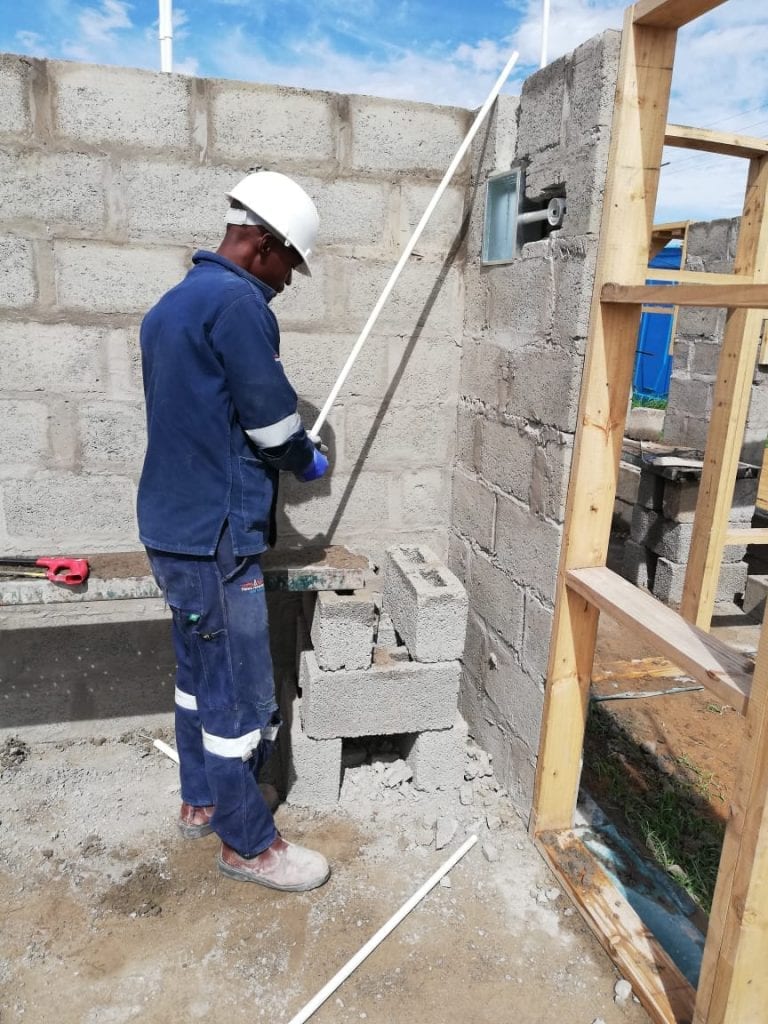
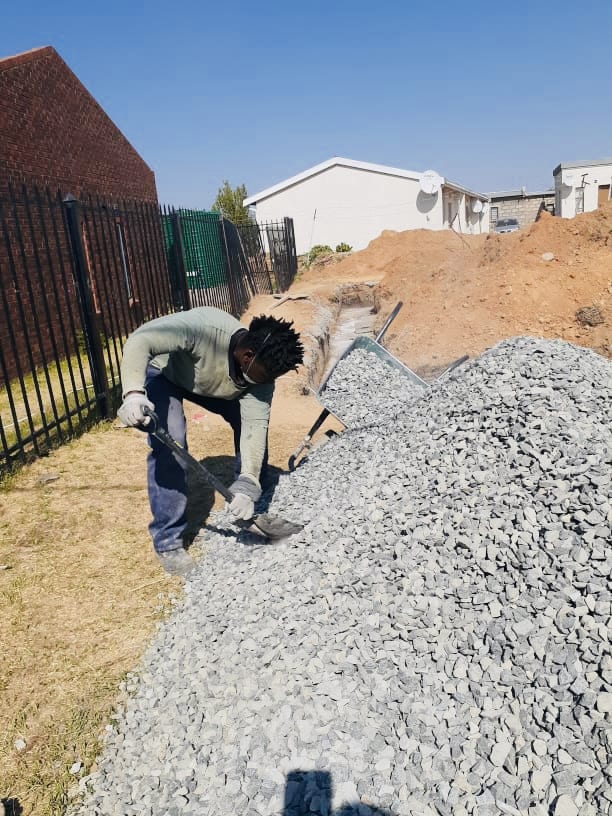
Paki working on site

I strongly believe that ignorance, coupled with the “know it all” attitude is the root of the downfall of our Basotho People and hinders growth for Lesotho. In return this attitude leaves us, the youth, with a frustrated and discouraged outlook for Lesotho. With that said, the reason I applied for the in loco fellowship programme was that for the first time I came across a programme that seemed eager to give the young Mosotho child a vision, a platform to voice their creativity, challenge and grow their acquired skills from the built environment and at the same time teach them how to be independent and to self-sustain themselves when they go out into the field.

At this stage of the fellowship programme (3 months in), I have learnt how to breakdown Bills of Quantities into a material list. They can be used as a point of reference to see if your project is in line with the budget and indicate expenses that were not accounted for in the Bills of Quantities. I have also learnt the most tricky aspect of construction which is the Preliminaries in a practical sense, that has to do with site preparation, site establishment requirements, administrations and organisational requirements for the personnel on site. On top of the construction aspect of the programme there is also the entrepreneurship aspect. In this part of the programme  I continue to learn about how to position your brand, how to locate and expand your market, how to execute social media marketing, the importance of customer service, and a whole lot more that helps you tick all the boxes necessary to successfully start and operate your business.

Since the fellowship started in July 2020 I have been performing the role of a buyer as well as a laborer on site. As a buyer, I am responsible for making sure all the tools and materials needed on site are sourced in accordance with the construction schedule; when they are needed and at the best value for the client. I assure you this is no walk in the park. Finding the balance of being within budget but trying your best to get the best quality material and services possible is very challenging. This role requires a lot of planning and preparation skills but it is mostly exciting if you have worked as a consultant Quantity Surveyor like I have.

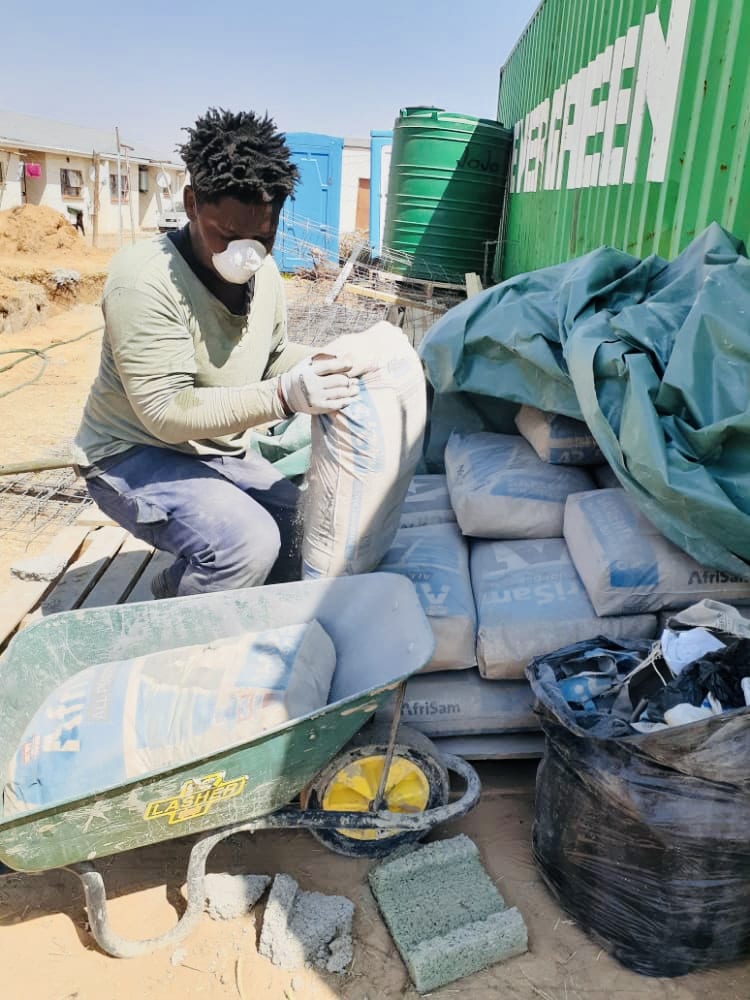
Paki operating cement mixer

Being able to see equipment and material, to interact with suppliers, all of which makes me feel hands on. It also solidifies my confidence in my profession as a Quantity Surveyor – this profession in Lesotho is easily brushed off and given little to no recognition. As for being a laborer, this is the most rewarding experience ever – I get to see that I am capable of creating something from nothing with my own hands and personally, I have always wanted to be the kind of man who is handy. So this experience is giving me the skills I need to be this man and tuning my mind to be oriented in problem solving in every task I face.

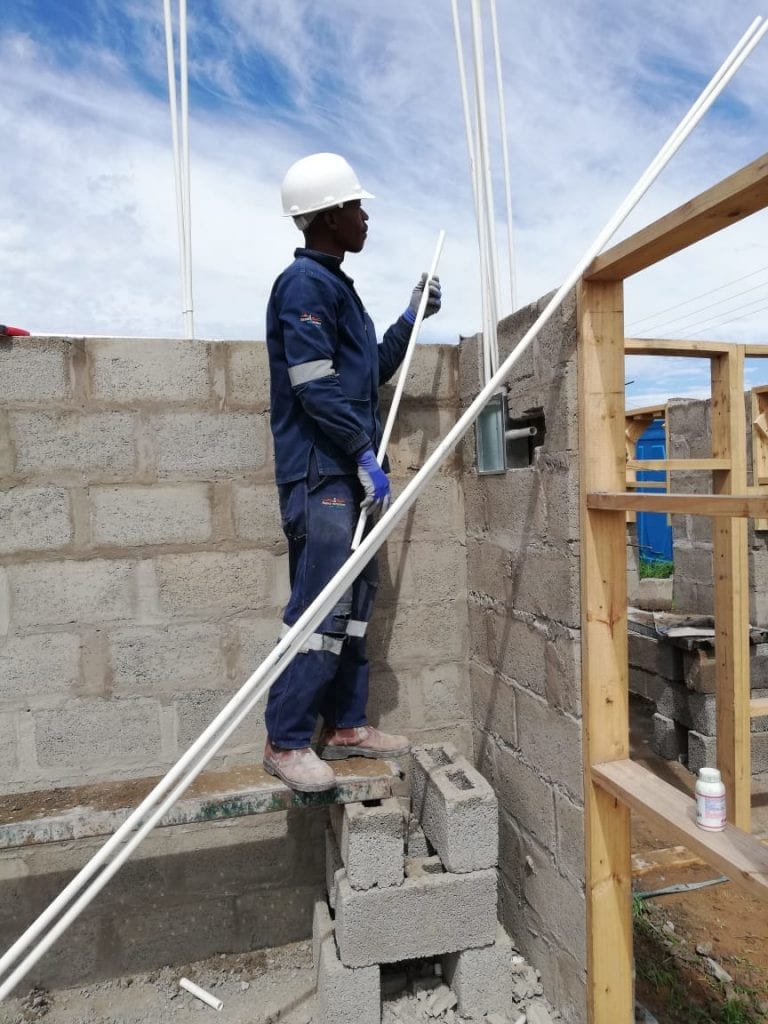
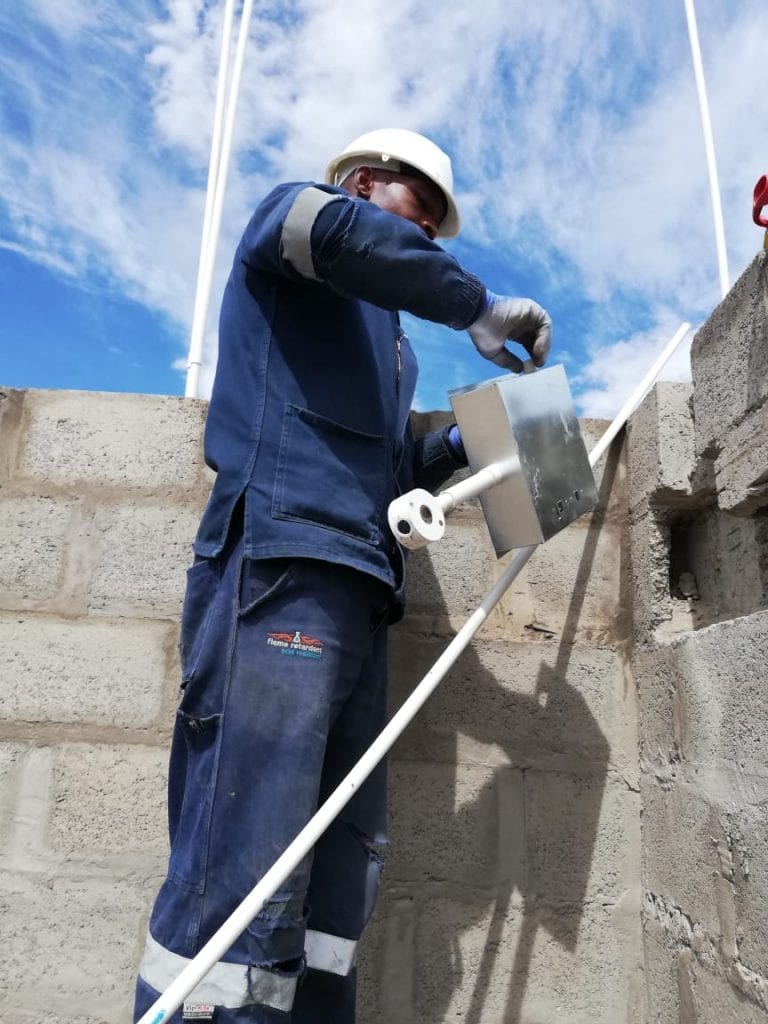
I am currently working in a project where we are constructing an inclusive building for LNFOD (Lesotho National Federation of the Disabled).  The in loco programme encourages fellows to advocate for inclusive buildings in every project that we take on for the benefit of people with disabilities. Secondly, this project challenges us as the future Lesotho construction industry; to come up with the technology to allow for all physical work to be done by everyone, no matter their gender.

Paki preparing foundations

In conclusion I would like to leave with an overview of my future aspiration. My dream is in three stages; first I would like to open a lamp shop and everything wood that will later have a coffee shop. Secondly, I would like to start up a recreational center/camp, and lastly to facilitate community projects that build parks with sports grounds all over the country. “Along with the trees, the animal in me and the soil I ground myself on, teaches me how to be human” – Paki Ts’otleho

READ MORE
2020

IN LOCO FELLOWS 2020 BLOG SERIES #3: Intergalactic love

Intergalactic means movement between spaces. Buildings occupy space, from their foundations upwards. Therefore in this blog, intergalactic is compared to construction because of the fuming passion I have for the built environment and intergalactic.

My passion for the built environment grew after several setbacks from the University of Free State, where I was enrolled in the faculty of natural sciences, however I dropped out from the University and I enrolled for a National Diploma: Building at the Central University of Technology, Free State (CUT) where I graduated in record time. The faculty of Engineering has always been best for me…HAHA.

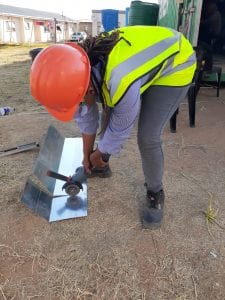
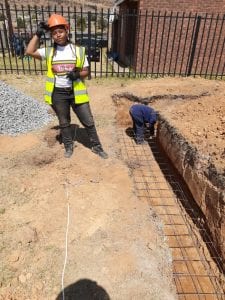
Malingaka working on construction site

Upon completion of my diploma, I was awarded a MerSETA women in engineering bursary. This encouraged me to further my BTech in Construction Management which I also completed in record time. A fiery love for construction grew deeper, so much so, that I established my own construction company named Khal Construction Engineers the same year I enrolled for my BTech, with a view of creating a better industry that would lessen surplus costs, delays, accidents on construction site, and upsurge job creation. My first project in construction was plastering and floor pouring a residential building.

The business did not go so well. Our marketing was poor, we could not get customers as we were unknown in the industry, project hunting became all-consuming  but there were still no doors opening for the smart, enthusiastic ‘Malingaka. But I don’t accept defeat; it’s just not in my DNA. Therefore I enrolled for a Masters at the University of Johannesburg while job hunting and tender hunting. Being the go getter that I am, I completed my Masters within a year. The same year in December my company got its first client!  Sufficient grace, right?

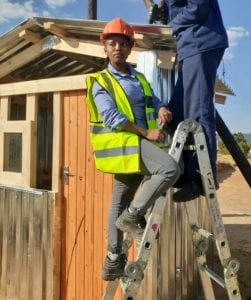
Malingaka building a guard house

That first client was a stepping-stone to many. Currently I have over two years’ experience in the industry and already embarking on the journey to bag my PhD in Construction Management. Though my business is facing challenges such as lack of construction equipment to commence a project, rise has a solution to my challenge since fellows and alumni are able to borrow construction equipment from rise.

My first encounter with rise international was when I navigated through the internet for job vacancies. I believe it was through www.selibeng.com that I saw the opportunity for the in loco fellowship. rise’s mission and vision caught my attention, I was amazed. With much enthusiasm I applied for the fellowship and got in. I must say I am super grateful for this platform; it has been nothing but a place of growth in the built environment, industry and entrepreneurship.

Work on Construction Site
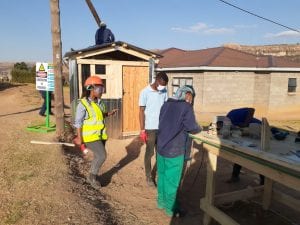
Malingaka and other in loco fellows working on LNFOD site

“Don’t let an opportunity pass you by, grab it and make the most of it.” I’ve been doing the most, learning by doing, learning from my other fellows, grabbing every skill and networking. rise has taught me that “Letso’ele le beta poho”, (Together we can overcome). Team work is the utmost, sharing innovative ideas amongst the fellows, problem solving and building each other through business partnerships. At rise, I have learned the importance of marketing, effective communication, negotiation skills and working in groups with other fellows. Amongst the activities we’ve done with rise, I enjoyed the Participatory Design Workshop and team building the most; what an experience!

‘Malingaka Maoeng

I am excited to learn more from my fellows, to experience getting our hands dirty on the 2020 project. I have been getting along well with other fellows; it has really been fun working with each and every one of them. It is as if we’re one big happy family.

I AM ‘Malingaka Maoeng

READ MORE